Best Canon DSLR Camera for Sports Photography
As an Amazon Associate we earn from qualifying purchases. Some links in this guide are affiliate links — see our affiliate disclosure for details.
Short answer: Which Canon DSLR is best for sports photography?
The Canon EOS-1D X Mark III is the best Canon DSLR for sports photography. It is Canon's last flagship DSLR, with a 20-megapixel full-frame sensor, up to 16 frames per second through the optical viewfinder and 20 frames per second in live view, deep-learning subject tracking and a body built for rain, dust and heavy use. It is also large, heavy and expensive, and Canon's lens development has moved to the mirrorless RF mount, so many buyers now compare it with mirrorless bodies and cheaper DSLRs.
Affiliate note: This post has affiliate links. If you buy through them, the site may earn a small commission at no extra cost to you.
What does a sports DSLR need?
| Feature | Why it matters |
|---|---|
| Burst speed | Peak action lasts a fraction of a second |
| Autofocus tracking | Subjects change speed and direction without warning |
| Buffer and card speed | Long bursts must keep writing without stalling |
| Build and sealing | Outdoor games run in rain, dust and cold |
| Battery life | Tournaments and double-headers run for hours |
| Lens support | Fast telephoto glass does most of the work |
Canon EOS-1D X Mark III
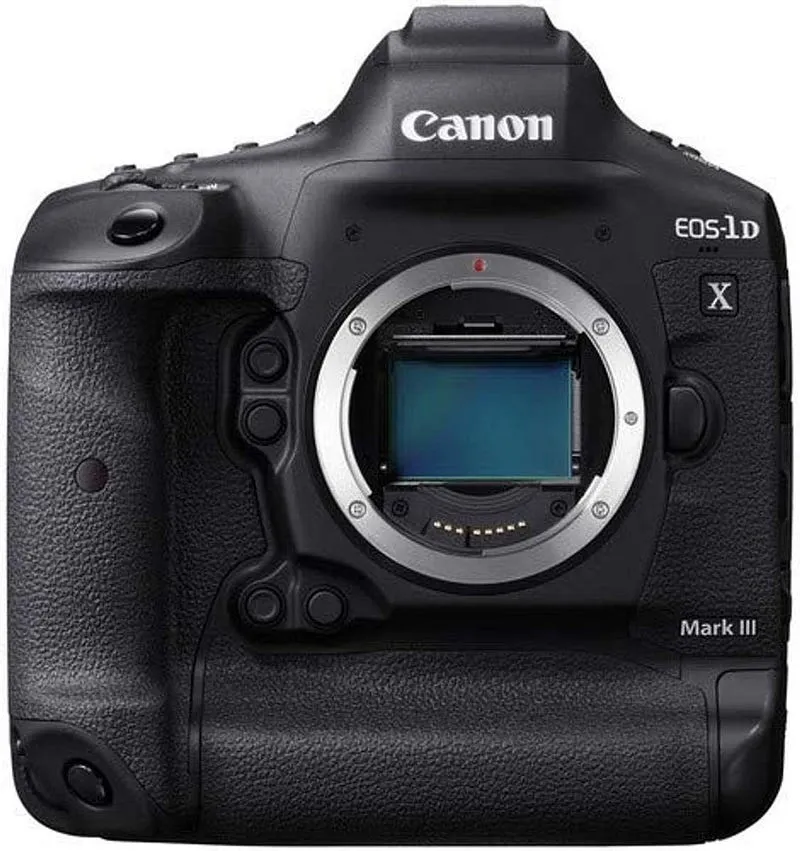
The Canon EOS-1D X Mark III was announced in 2020 as the flagship of Canon's professional DSLR line. Canon's published specifications include:
- Speed. Up to 16 fps with the optical viewfinder and up to 20 fps in live view, driven by direct-drive mirror and shutter mechanisms rated for hundreds of thousands of actuations.
- Autofocus. A dedicated AF sensor with deep-learning algorithms for subject recognition and advanced tracking, designed to hold focus on fast, erratic subjects.
- Sensor. A 20-megapixel full-frame sensor that favours speed and low-light performance over resolution.
- Video. Internal DCI 4K at up to 60p, 5.5K RAW video, and Canon Log for easier colour grading.
- Connectivity. Wi-Fi, Bluetooth and Ethernet, which professionals use to send images straight from the sideline.
- Build. A weather-sealed magnesium body with a large battery.
Pros and cons
| Pros | Cons |
|---|---|
| Exceptional build quality | Large and heavy for a full day on the sideline |
| 16 fps mechanical and 20 fps live-view bursts | EF lenses are no longer in active development |
| Superlative autofocus for an SLR | HEIF image format is not supported everywhere |
| Very large battery | Costs far more than other Canon DSLRs |
| Ethernet, Wi-Fi and Bluetooth | Mirrorless bodies now match or beat its autofocus |
Cheaper Canon DSLR options
- Canon EOS 7D Mark II. An APS-C sports DSLR with 10 fps bursts and a 65-point autofocus system. See the Canon 7D Mark II DSLR guide.
- Canon EOS 90D. A 32.5-megapixel APS-C DSLR with 10 fps bursts, good for beginners and school sport.
- Canon EOS Rebel T8i. An entry-level option for casual youth sport.
For budget guidance, see the best camera for sports photography for beginners and the guide to the best camera for sports photography under $1000.
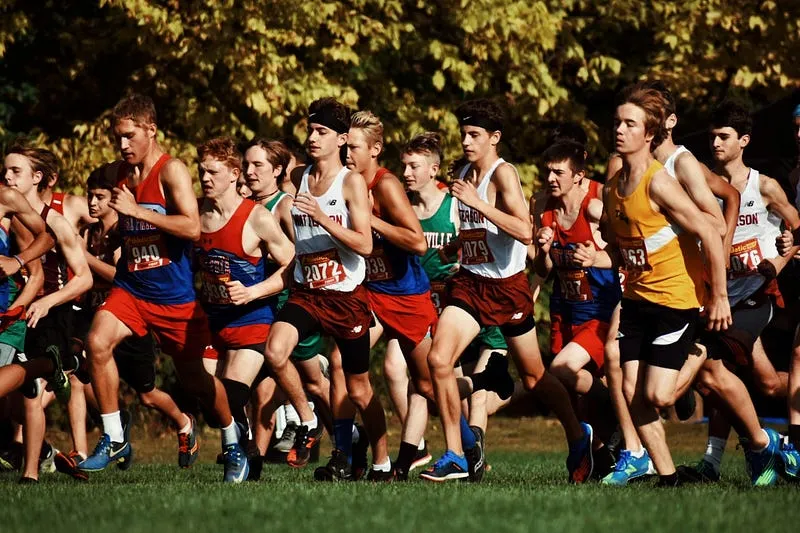
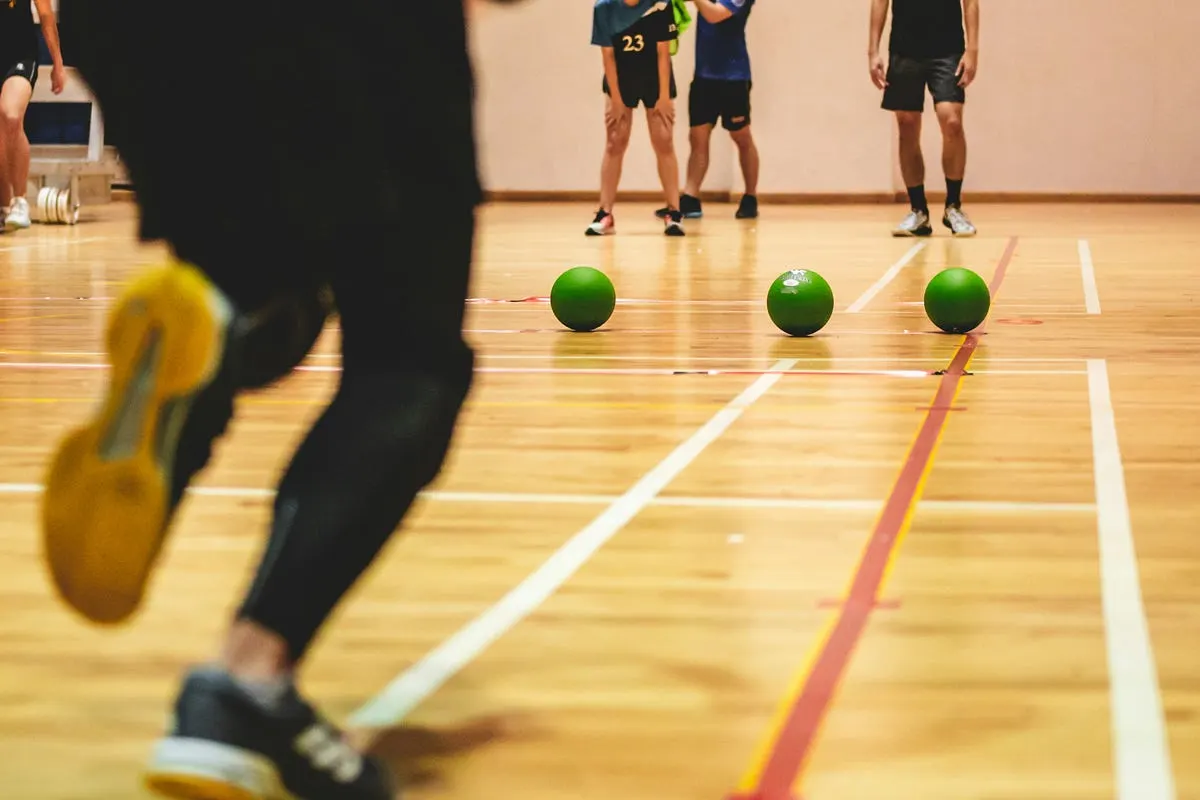
Photo by leah hetteberg on Unsplash
Should you buy a DSLR or a mirrorless camera?
Canon has put its newest autofocus, stabilization and lens designs into RF-mount mirrorless cameras. Mirrorless bodies such as the Canon EOS R6 Mark II and R5 Mark II track subjects very well and are smaller than a 1D X. EF lenses still work on them with Canon's adapter, so existing telephotos are not wasted. See the comparison of the Canon R6 Mark II and R5 Mark II and the best Canon lenses for sports.
More picks
- Canon EOS R — View on Amazon
Frequently asked questions
Is the 1D X Mark III still worth buying? It remains a durable, fast sports camera, and used prices are lower than at launch. New buyers should still compare it with mirrorless bodies.
What lens suits a sports DSLR? A 70-200mm f/2.8 covers courts and small fields, and 300mm to 400mm lenses cover larger fields.
How fast does a sports camera need to be? 8 to 10 fps is enough for many sports. Faster bursts help with very quick action.
Does the 1D X Mark III shoot video? Yes, including 4K at up to 60p, according to Canon.

Written by
Marien CartelProfessional and Certified Digital Photographer born in the USA, with 22 years of experience in the field of photography.
Related Guides
Best Canon Lenses for Sports
Best Canon Lenses for Sports — Canon RF 100–500mm f/4.5–7.1L IS and Canon EF 70–200mm f/2.8L IS compared, with pros, cons and who should buy which.
Best Canon DSLR Camera for Photography
Best Canon DSLR Camera for Photography — what the Canon 7D Mark II offers, where it falls short, and whether it is worth buying.
Best Mirrorless Camera for Sports Photography
The guide lists the Sony a9 III, Sony a9 II, Canon EOS R3, Nikon Z 9 and OM System OM-1 Mark II, with the key features to consider for sports.
Best Camera for Sports Photography Under $1,000
Best Camera for Sports Photography Under $1,000: Canon EOS M50 Mark II, Nikon D3500 and Canon Rebel T8i compared on features, price and who each one suits.
Best Camera for Recording Youth Sports
The guide's pick is the Fujifilm X-H2S, which it says handles the chaos of the sidelines with professional performance.
Best Nikon Camera for Sports Photography
Best Nikon Camera for Sports Photography — what the Nikon Z9 offers, where it falls short, and whether it is worth buying.