How to find inspiration for street photography
As an Amazon Associate we earn from qualifying purchases. Some links in this guide are affiliate links — see our affiliate disclosure for details.
Short answer: How do you find inspiration for street photography?
Find inspiration by immersing yourself in the city, studying photographers you admire, setting a theme or constraint, and staying open to unplanned moments. Walk through unfamiliar neighbourhoods, watch small details such as gestures and reflections, study the work of Henri Cartier-Bresson, Garry Winogrand and Vivian Maier, and try techniques such as long exposures and black and white. A simple project, such as photographing one theme for a week, often works better than waiting for a good idea.
1. Immerse yourself in the city
- Explore new neighbourhoods. Unfamiliar areas have new light, people and stories.
- Wander without a destination. Getting a little lost is a reliable way to notice things.
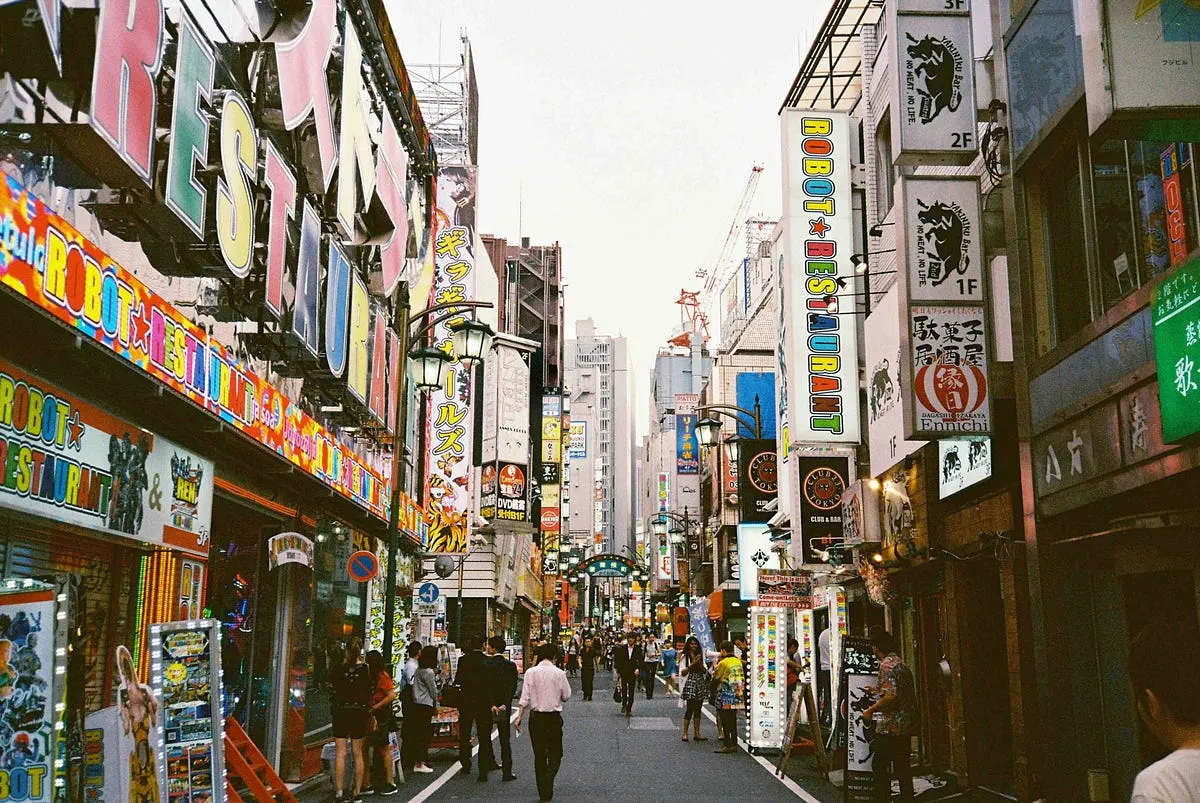
- Observe the everyday. Gestures, glances, reflections in puddles and shop windows can become strong images.
- Return to the same place. Light and people change, so a familiar corner offers different pictures at different times of day.
2. Draw inspiration from other photographers
- Study the masters. Henri Cartier-Bresson, Garry Winogrand and Vivian Maier are widely studied for composition, timing and storytelling. Look at how they use light and frame their subjects.
- Follow contemporary street photographers. Social platforms show fresh perspectives that can spark ideas.
- Look at photobooks. Books present series of images, which shows how single pictures work together.
- Join a community. Sharing work and getting feedback from other photographers helps skills grow.
3. Set a theme or constraint
A limit often sparks creativity. Choose one idea and follow it for a day or a week:
- Urban decay or the beauty of everyday life
- Reflections, shadows or silhouettes
- One colour, such as yellow or red
- Hands, doorways, windows or signs
- A single lens or focal length
- Black and white only
A project gives each outing a purpose and builds a body of work, not just single pictures.
4. Experiment with technique
- Long exposures blur motion in crowds and traffic against a sharp background.
- Black and white removes colour distraction and emphasises light, shape and emotion.
- Zone focusing prepares the camera for quick, candid shots.
- Different angles such as low or high viewpoints make familiar scenes look new.
5. Embrace serendipity
- Be open to unexpected moments. The best photographs often happen spontaneously, so keep the camera ready.
- Embrace failure. Not every shot will be good. Review mistakes and use them to improve.
- Trust intuition. Some of the most compelling pictures come from following a hunch.
6. Review and edit your work
Looking back over a set of photos reveals patterns, such as favourite subjects and light. Choosing the best five from a week of shooting sharpens the eye and shows what to repeat. Printing a few pictures or arranging them in a small series helps too.
7. Stay respectful and legal
Street photography involves real people. Laws vary by place, so learn the rules and be considerate. See how to get permission for street photography, how to avoid legal trouble with street photography and how to overcome fear in street photography.
Gear and next steps
Almost any camera works for the street. A small camera or a phone draws less attention than a large kit. See the best camera for street photography, the best compact cameras for street photography and how to improve street photography skills.
Frequently asked questions
What should I photograph when I have no ideas? Start with a simple theme, such as reflections or hands, and walk until the subject appears.
How often should I shoot? Short, regular sessions of 30 to 60 minutes build skill and habit.
Do I need a special camera? No. A small camera or even a phone is enough.
Is it better to shoot colour or black and white? Both work. Black and white focuses attention on light and emotion, while colour tells a different story. Try each.

Written by
Marien CartelProfessional and Certified Digital Photographer born in the USA, with 22 years of experience in the field of photography.
Related Guides
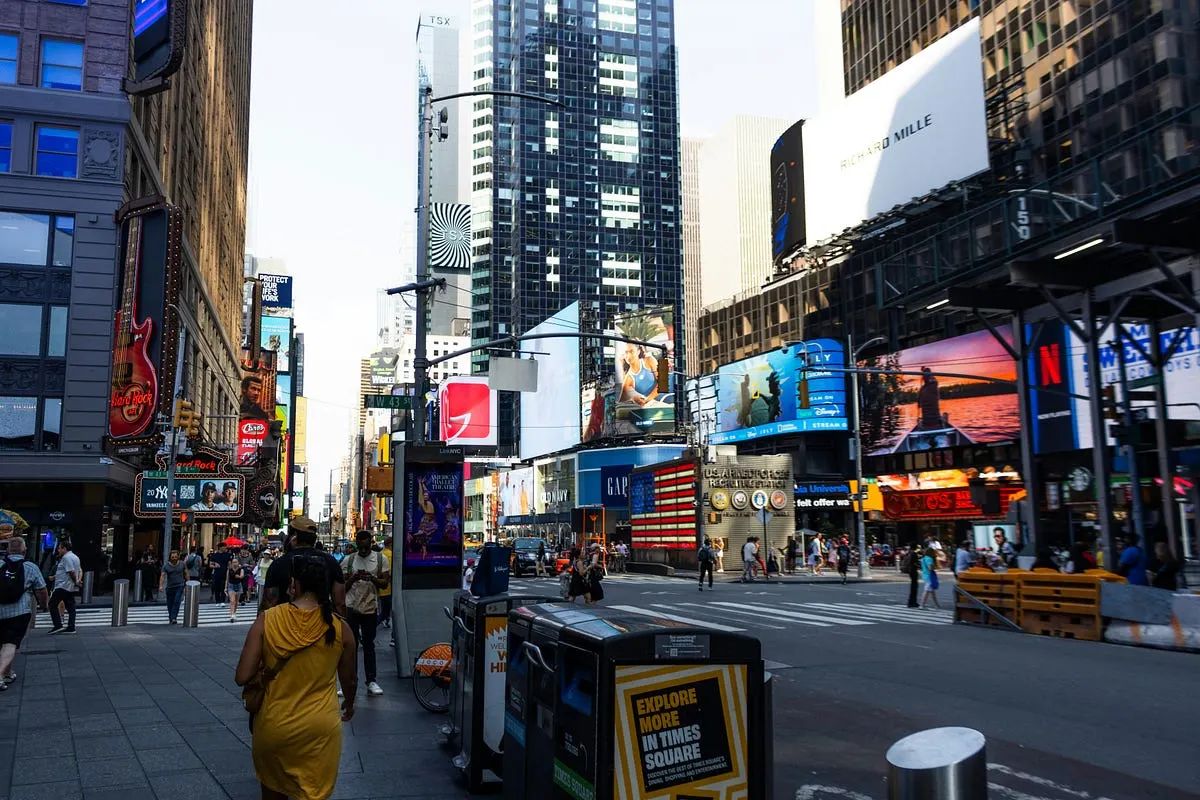
How to improve street photography skills
Street photography is a captivating art form that allows you to capture the essence of everyday life.
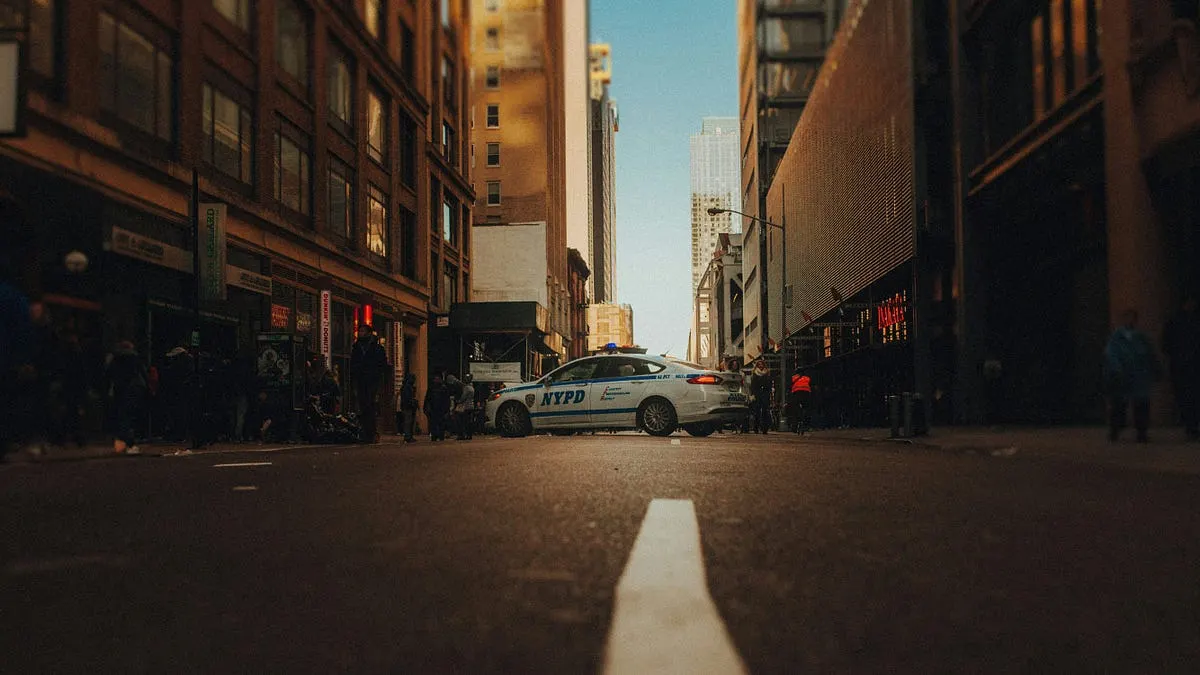
How to avoid legal trouble with street photography
Street photography is a captivating art form that allows you to capture the essence of everyday life in public spaces. However, it’s…
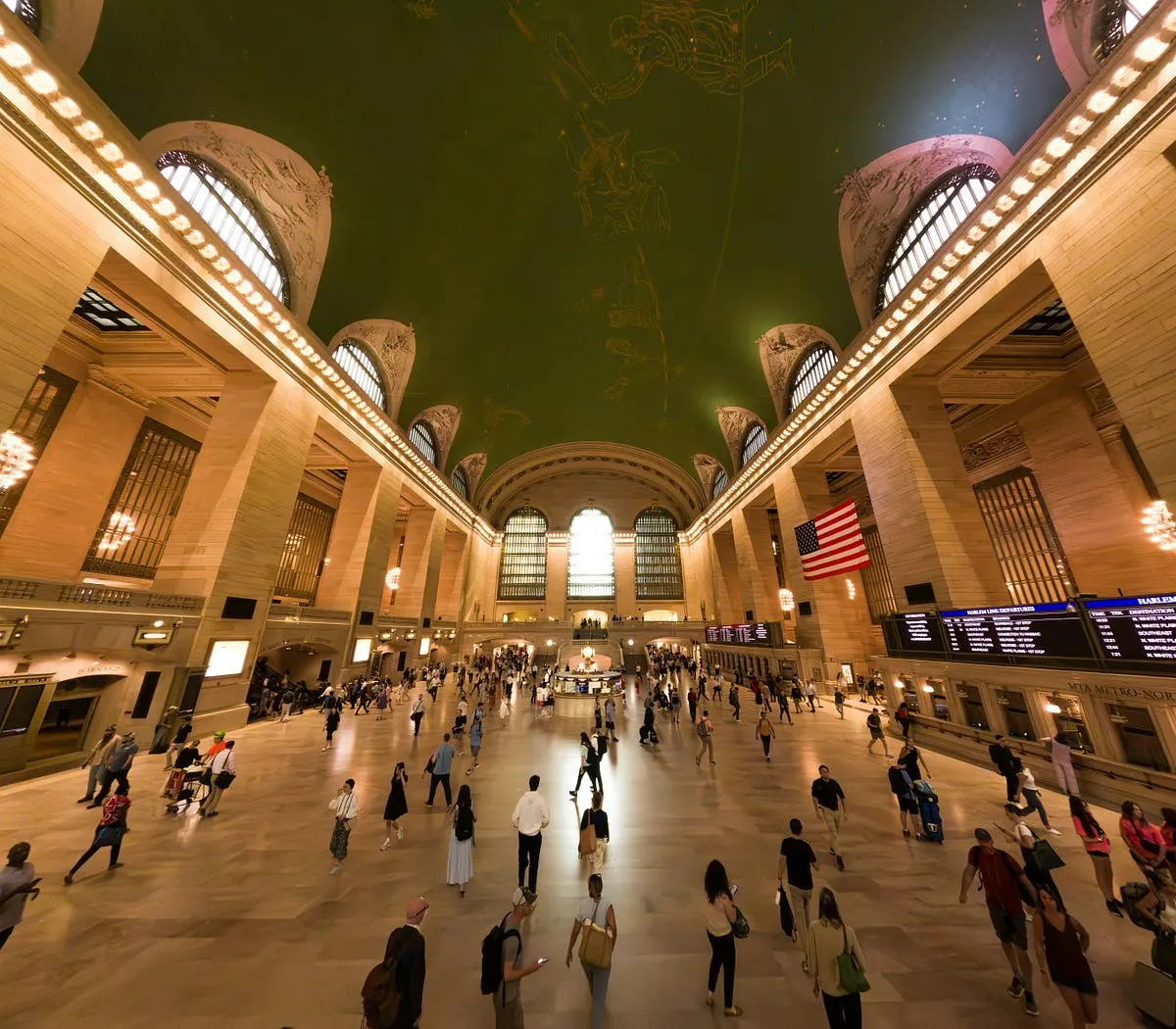
How to get permission for street photography
Street photography, the art of capturing candid moments in public spaces, often raises questions about permission and legal considerations.
Is this considered street or travel photography?
The Blurred Lines Between Street and Travel Photography: A Personal Perspective
How to overcome fear in street photography
The guide says the key is to take action: step out of your comfort zone, accept the uncertainty and keep shooting.
Best Camera for Street Photography
Best Camera for Street Photography: a side-by-side look at Sony α7C and Olympus OM-D E-M10 Mark IV, with strengths, trade-offs and buying advice.