Do sports photographers make good money?
As an Amazon Associate we earn from qualifying purchases. Some links in this guide are affiliate links — see our affiliate disclosure for details.
Short answer: Do sports photographers make good money?
It depends on the level and on how many income streams a photographer builds. A small number at the top, such as staff photographers for major agencies and leagues, earn substantial incomes, while many freelancers piece together a living from event coverage, team contracts, prints, teaching and other work. The U.S. Bureau of Labor Statistics reports a median hourly wage of $20.44 for photographers overall in May 2024, so sports photography can be a comfortable career only with strategy, skill and business sense. It is rarely a quick route to high income.
What do the official numbers say?
The U.S. Bureau of Labor Statistics covers all photographers, not only sports specialists. Its Occupational Outlook Handbook lists a median hourly wage of $20.44 for photographers in May 2024 and projects employment growth of about 2 percent from 2024 to 2034, slower than average, with roughly 12,700 openings a year across the occupation, mostly from workers leaving the field. See the BLS Occupational Outlook Handbook entry for photographers for current figures, which change each year.
Sports pay varies widely by country, league, client and experience, so averages hide big differences between a youth tournament shooter and a professional agency photographer.
Where does the income come from?
1. Event coverage
Photographing games for leagues, schools, clubs and tournaments pays per game or per day. Rates depend on the level of the sport, the market and what the client needs, such as same-day delivery.
2. Selling images
Parents, athletes and fans buy prints and digital downloads from game galleries. Volume matters, so organisation and fast delivery help.
3. Team and club contracts
Working directly with teams tends to be the most stable. Typical arrangements include:
- Season-long coverage deals
- Player portrait sessions
- Social media content packages
4. Editorial and agency work
News outlets, agencies and sports publishers license photos. Competition for these roles is strong, and staff positions are limited.
5. Other revenue
Stock photography, workshops, mentoring, video production and brand work add income and spread risk.
What are the major expenses?
- Equipment, repair and upgrades (fast telephoto lenses are costly)
- Travel and accommodation
- Insurance
- Software subscriptions
- Marketing and a website
- Taxes and professional fees
How to improve earnings
Diversify income sources
- Do not rely only on game coverage
- Build relationships with teams and agencies
- Develop a strong portfolio and offer extra services
Invest in skills
- Learn video production
- Master post-processing and fast turnaround
- Understand sports marketing
Network
- Join professional associations
- Attend industry events
- Build a social media presence
The current state of the industry
Sports photography keeps changing:
- Rising demand for real-time content
- Increasing competition from smartphone photographers
- Growing importance of video skills
- Need for social media expertise
New opportunities are emerging in e-sports coverage, social media content and live-streaming support.
Tips for aspiring sports photographers
Start local
- Cover high school and club sports
- Build a portfolio
- Develop a style
Invest wisely
- Buy quality gear gradually
- Focus on versatile equipment
- Consider renting expensive lenses
Build multiple skills
- Learn video editing
- Understand social media
- Develop business knowledge
For practical guidance, see how to get started in sports photography, how to take professional sports photos, the best camera for sports photography for beginners and best ways to make money from photography.
Frequently asked questions
How much do sports photographers earn? It varies. The BLS median for all photographers was $20.44 per hour in May 2024, with some sports specialists earning far more and many earning less.
Can I make a living from sports photography alone? Some do, but most combine several income streams.
What gear is needed to start? A camera with fast autofocus and a telephoto lens, often a 70-200mm f/2.8, is the usual starting point.
Do I need a degree? No. A portfolio and relationships matter more than a degree.
Written by
Marien CartelProfessional and Certified Digital Photographer born in the USA, with 22 years of experience in the field of photography.
Related Guides
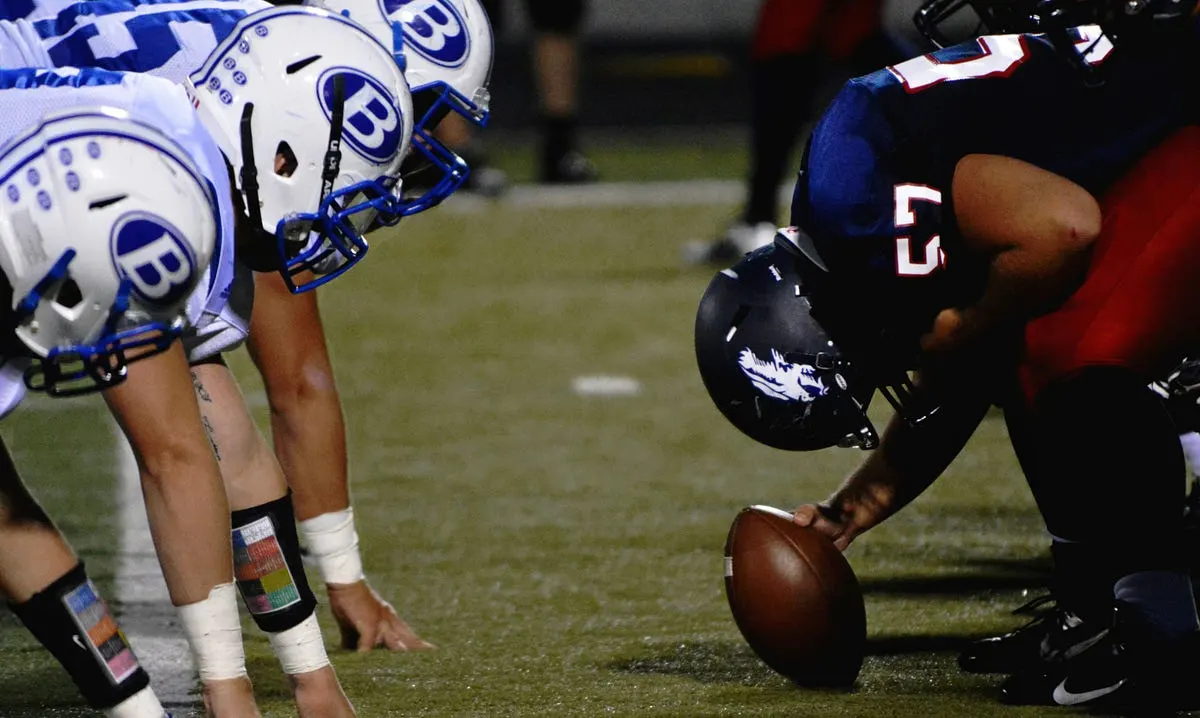
How do I get started in sports photography?
The guide says you do not need expensive gear to start. Begin at local games, expect poor early shots and keep practicing.
Best Ways to Make Money From Photography
Photography is not just a hobby; it can be a lucrative career path. Here are some of the most effective ways to monetize your photography…
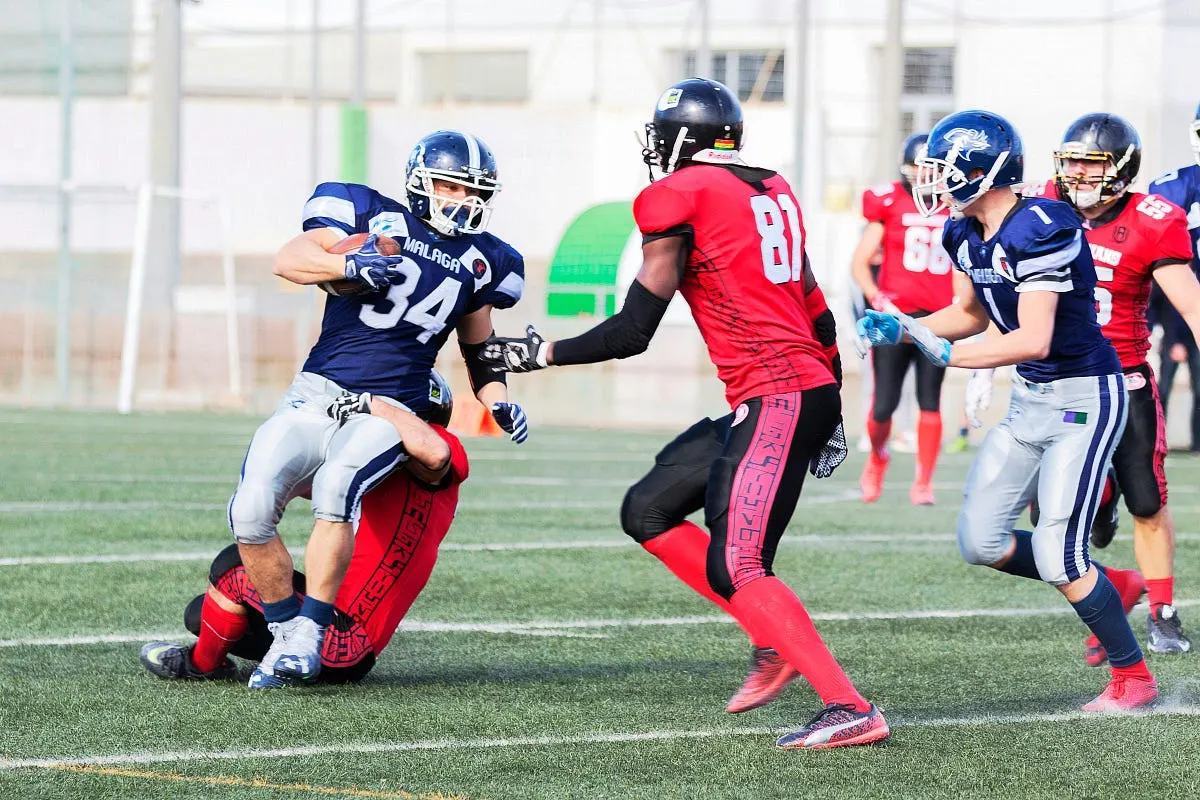
Best Camcorder For Sports
The guide's main pick is the Canon VIXIA HF G50 for sports filming, with alternative picks listed.
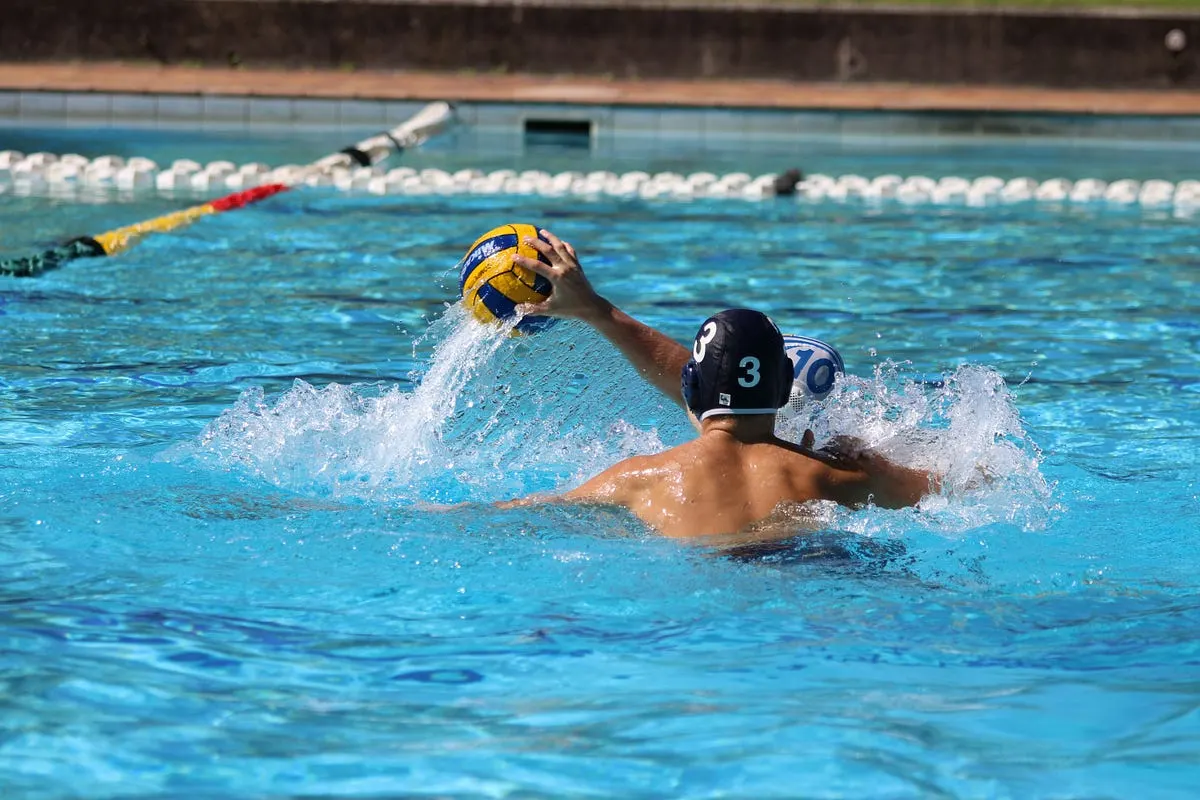
How to take professional sports photos?
The guide offers a personal and professional approach to sports photography, including the lesson to arrive at least two hours early so you can get venue.
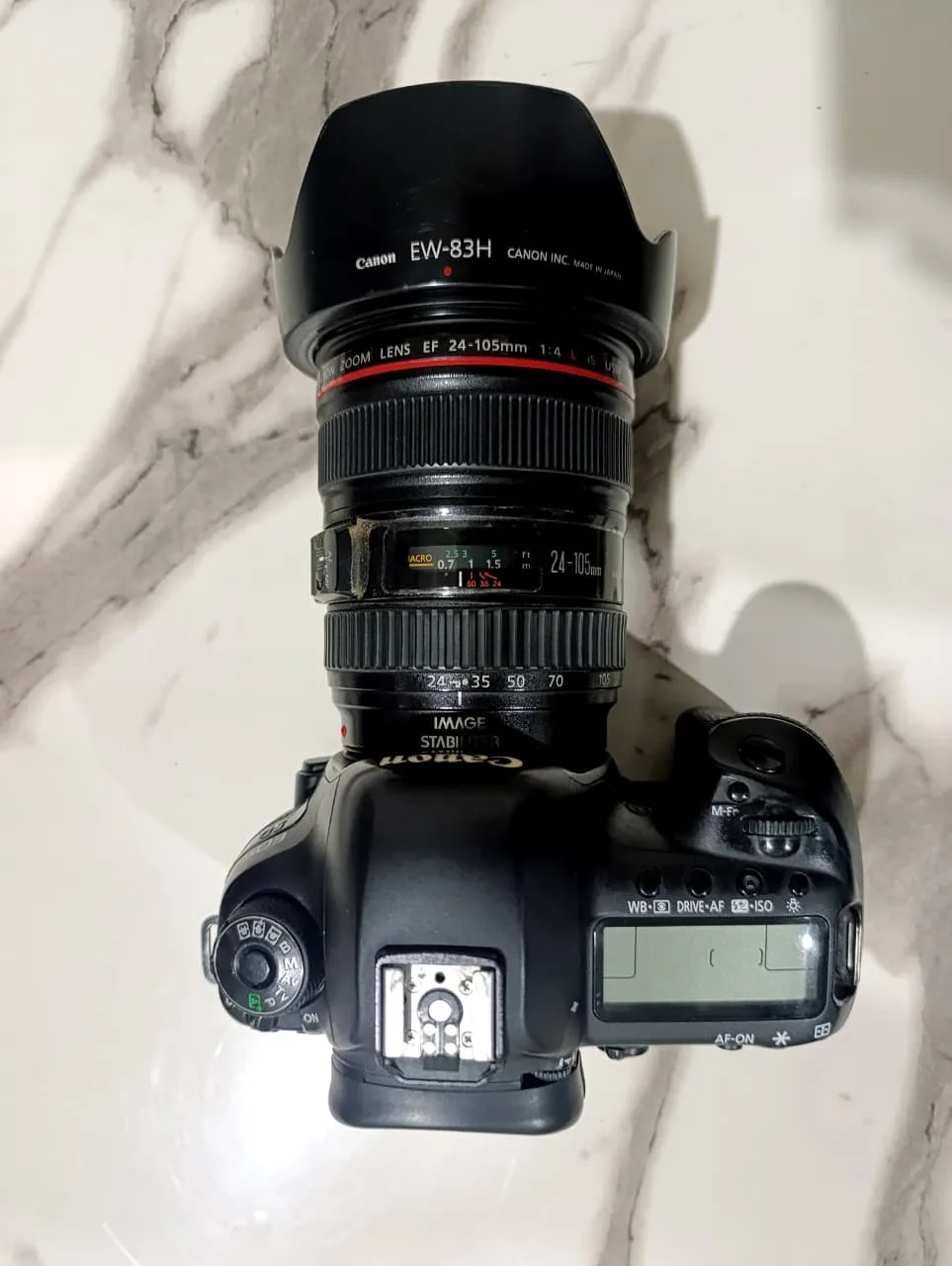
Do You Need a Telephoto Lens? Telephoto Lenses Explained
What counts as telephoto, why it isn't the same thing as a zoom, the three costs nobody mentions, and the lens design that halves the weight.
Best Camera for Recording Youth Sports
The guide's pick is the Fujifilm X-H2S, which it says handles the chaos of the sidelines with professional performance.