Best Zoom Lens for Sony E Mount
As an Amazon Associate we earn from qualifying purchases. Some links in this guide are affiliate links — see our affiliate disclosure for details.
Short answer: Which zoom lens is best for Sony E-mount?
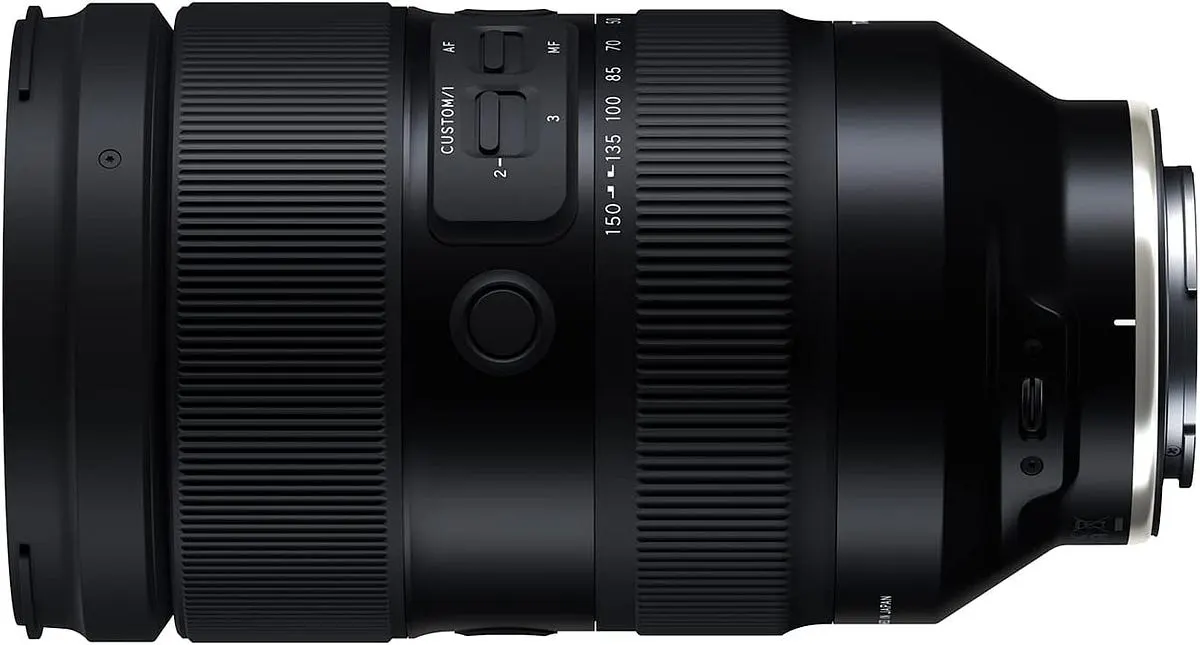
The guide's winner is the Tamron 35-150mm f/2-2.8 Di III VXD. It also covers the Tamron 28-200mm f/2.8-5.6 as the do-it-all option and the Sigma 24-70mm f/2.8 DG DN Art as a holy trinity contender.
There’s a moment every photographer has, usually after the initial love affair with the kit lens has faded. You’re looking at your photos, and they’re… fine. They’re sharp enough. They get the job done. But they lack that pop, that professional separation, that crisp detail that makes you stop and stare.
The landscapes were epic — towering evergreens, misty mountains, dramatic coastlines. The image was soft, and cropping in revealed a frustrating lack of detail.
The “Do-It-All” Dream: Tamron 28–200mm f/2.8–5.6 Di III RXD
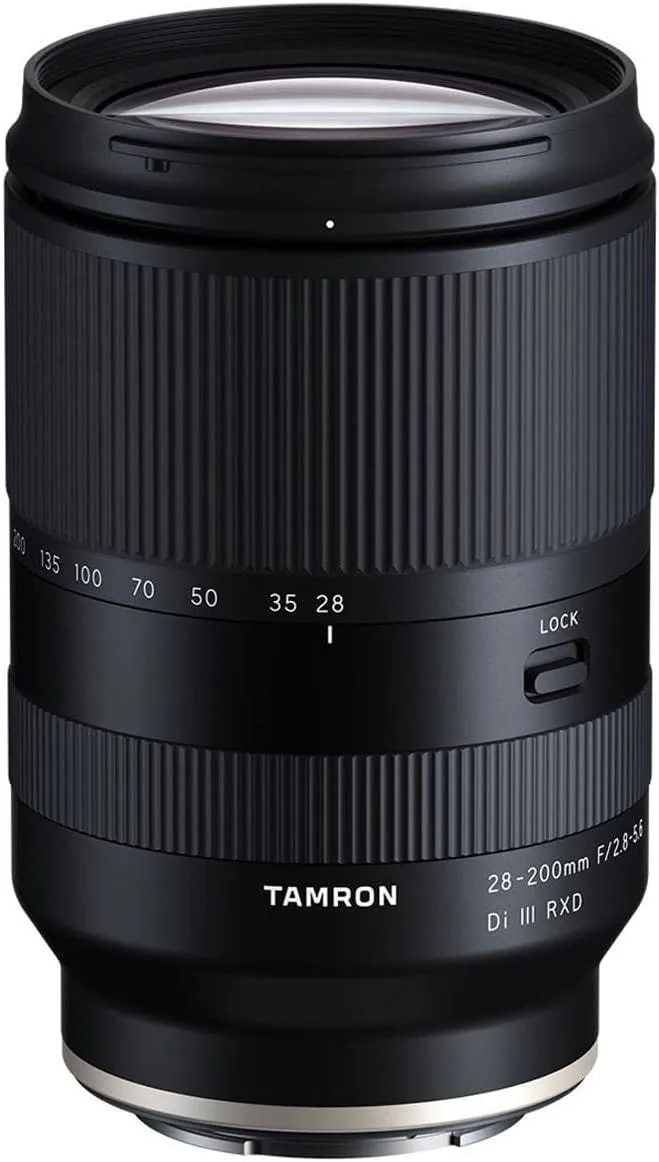
The allure was undeniable: a massive range from decently wide to super telephoto, all in a surprisingly light and affordable package.
And wow, was it liberating! The fast f/2.8 aperture at the wide end was fantastic for low-light streets.
The Verdict: This lens is arguably the best all-around travel zoom for Sony E-mount. It’s the ultimate “one lens to rule them all” for adventurers who value flexibility and hate changing lenses.
The Holy Trinity Contender: The Sigma 24–70mm f/2.8 DG DN Art
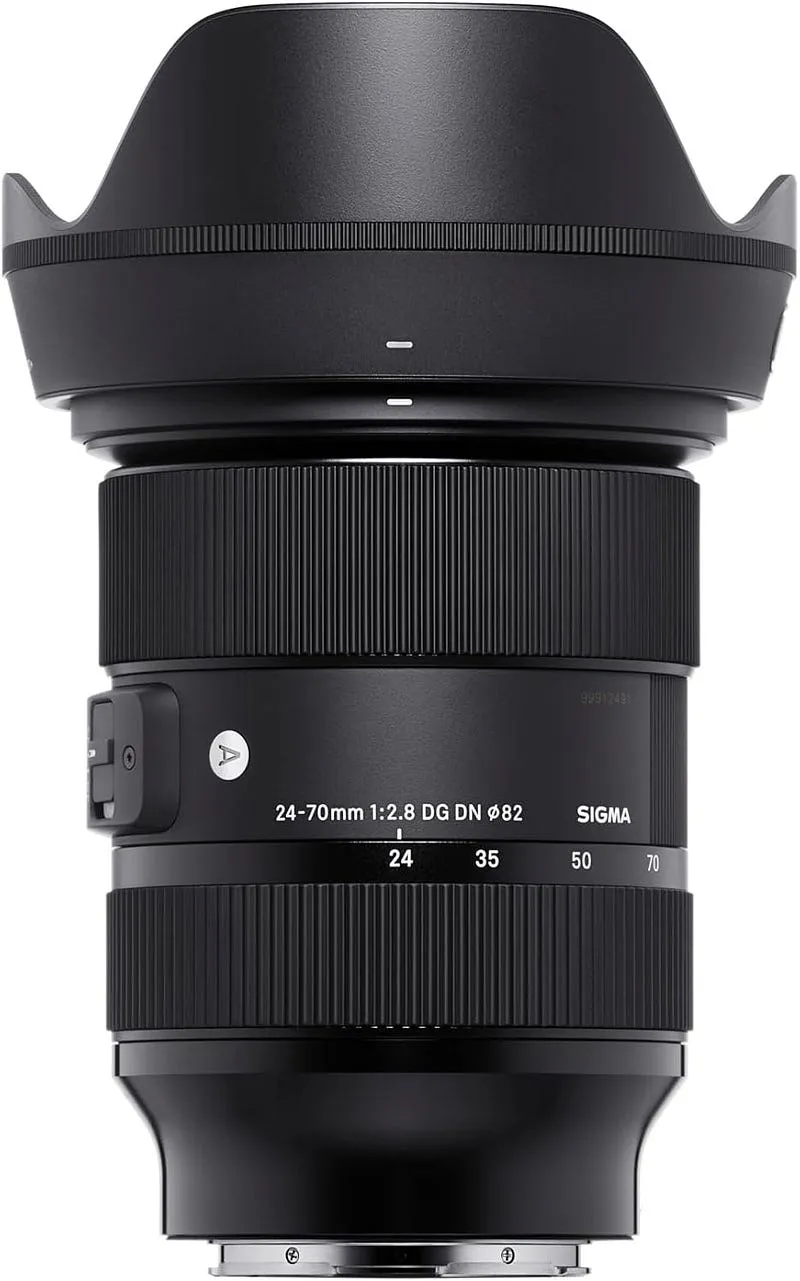
The Sigma 24–70mm f/2.8 DG DN Art had a reputation for being spectacularly sharp, rivaling Sony’s own GM version for hundreds less.
The sharpness was on another level. Every portrait was razor-sharp with beautiful, buttery bokeh thanks to the constant f/2.8 aperture. It felt professional, solid, and incredibly capable.
The Verdict: This is quite possibly the best standard zoom for Sony E-mount for image quality per dollar. It’s a lens you buy if you are serious about portrait, event, or commercial photography. The build and optical performance are sublime.
During a hike, a family of deer appeared on a distant hillside. 70mm wasn’t nearly enough.
So, What’s the Best Zoom Lens for YOU?
It depends on what you shoot.
- For the Ultimate Traveler / Hiker: Tamron 28–200mm f/2.8–5.6. The range is unbeatable, and the weight won’t break your back.
- For the Portrait & Event Pro (on a budget): Sigma 24–70mm f/2.8 DG DN Art. The image quality is top-tier without the top-tier price tag.
- For the No-Compromise Professional: Sony FE 24–70mm f/2.8 GM II. The best of the best in the standard zoom range — light, fast, and peerlessly sharp.
- A unique, powerful lens for those who live in the short-to-medium telephoto world.
As an Amazon Associate, I earn from qualifying purchases at no additional cost to you. Thank you for your support!
The best lens isn’t the one with the best specs on paper. It’s the one that gets out of your way and lets you create the images you see in your mind. It’s the one you’ll actually want to carry.
Rent before you buy. Your personal story with a lens is the only review that truly matters.
What’s your zoom lens story? Which one found a permanent home on your camera?

Photo by Dave Hoefler on Unsplash

Photo by Meg von Haartman on Unsplash

Photo by Hendrik Cornelissen on Unsplash

Photo by Rodrigo Kammer on Unsplash
More picks
- Sony a7III — View on Amazon
- kit 28–70mm lens — View on Amazon
- Tamron 35–150mm f/2–2.8 — View on Amazon
Written by
Marien CartelProfessional and Certified Digital Photographer born in the USA, with 22 years of experience in the field of photography.
Related Guides

Best Sony Lenses For Portrait Photography
Best Sony Lenses For Portrait Photography — how Sony FE 85mm f/1.8 and Sony FE 50mm f/1.2 GM compare on features and price, and who each is best for.
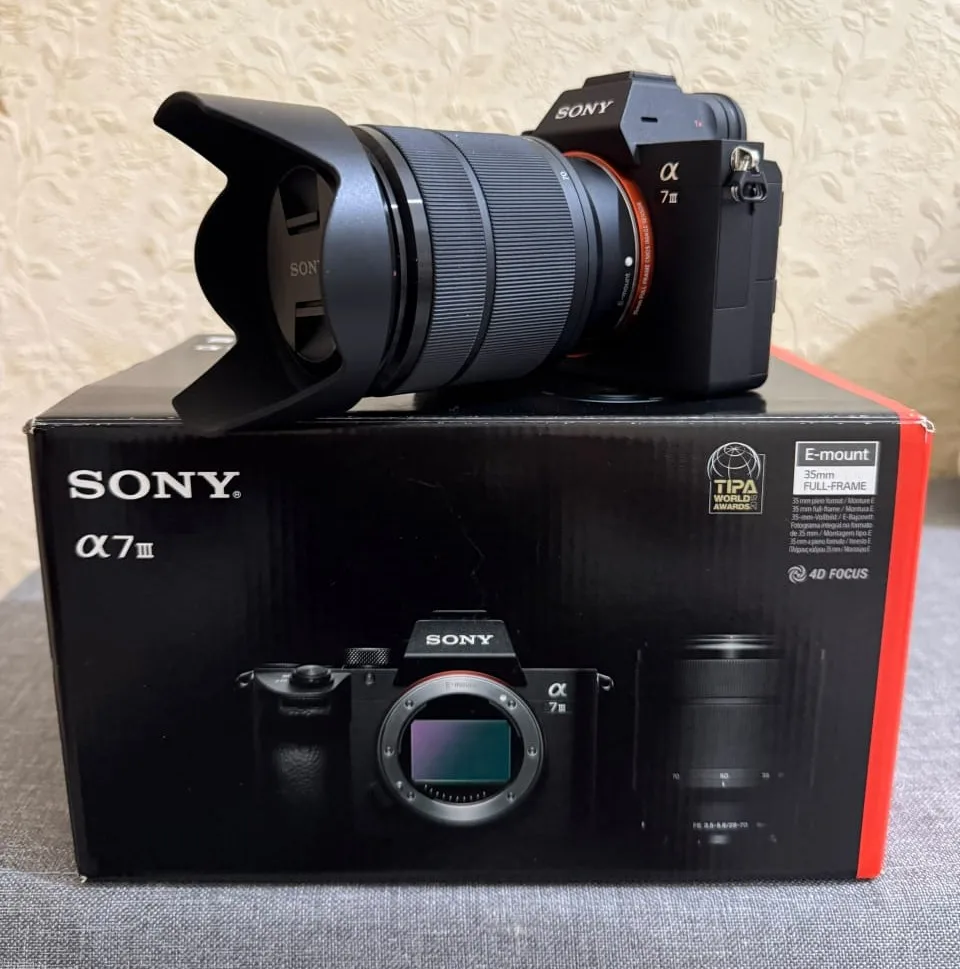
Best Lens for Sony A7iii
Best Lens for Sony A7iii — how Sony 24–70mm f/2.8 GM II, Sony 85mm f/1.8 and Tamron 28–75mm f/2.8 compare on features and price, and who each is best for.

Best Budget Wide Angle Lens for Sony Full Frame
Best Budget Wide Angle Lens for Sony Full Frame: Sony FE 16–35mm F2.8 GM and Sony FE 12–24mm f/2.8 GM compared on features, price and who each one suits.
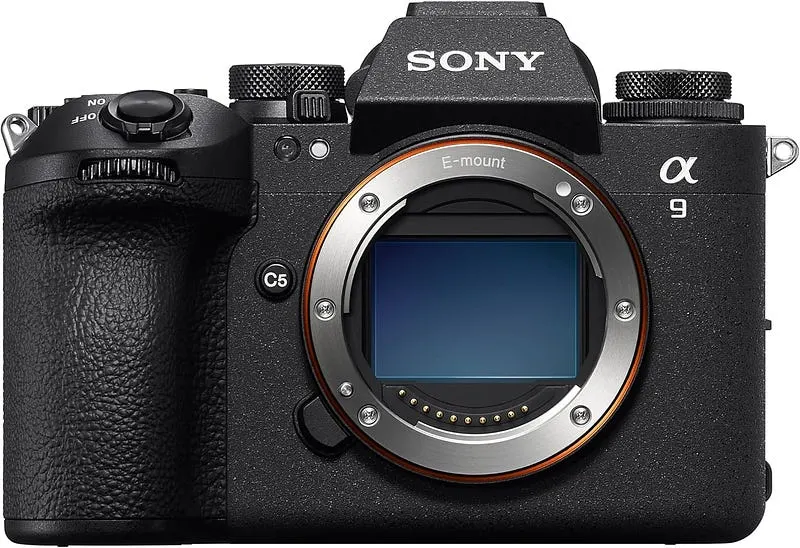
Best Lenses for Sony Alpha 9 III
Best Lenses for Sony Alpha 9 III — how Sony FE 16–35mm f/2.8 GM and Sony FE 24–70mm f/2.8 GM compare on features and price, and who each is best for.
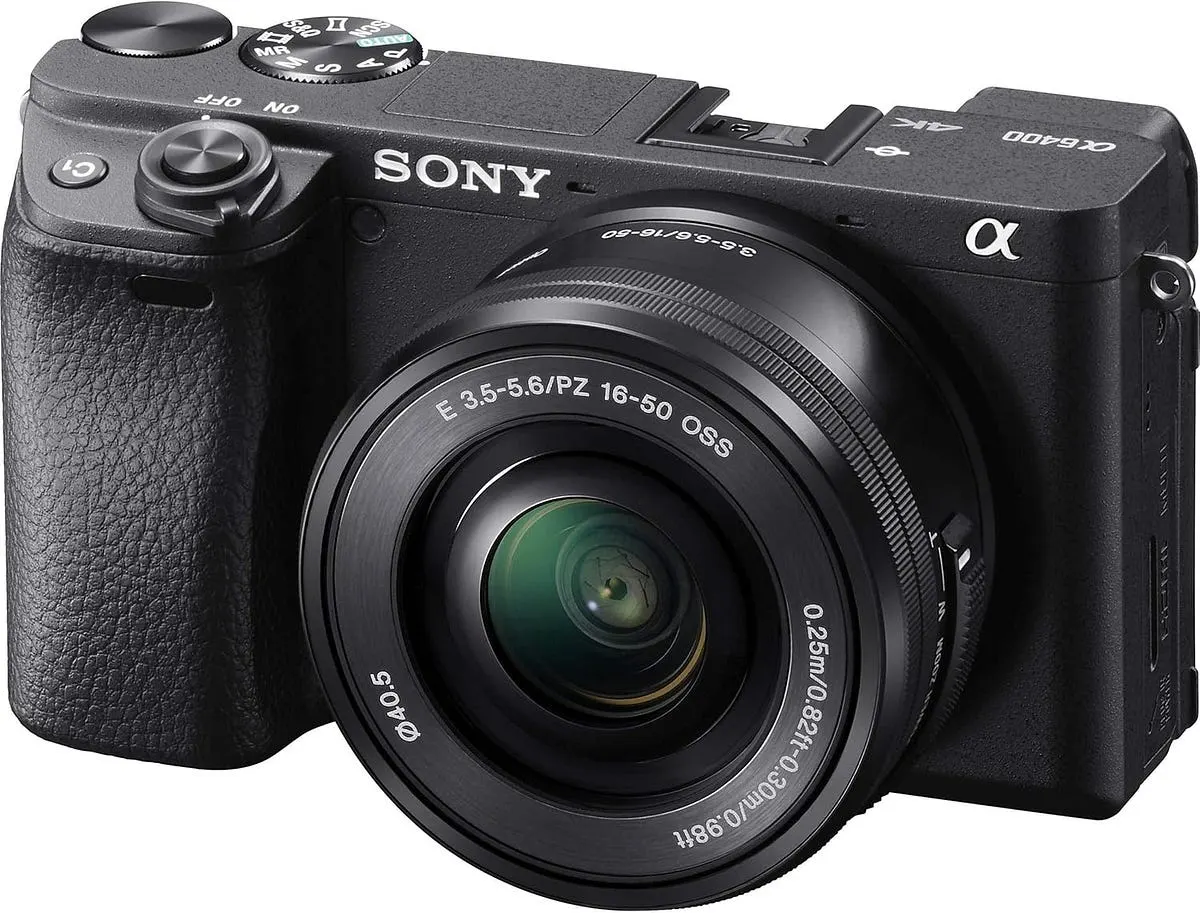
Best Lenses for Sony A6000
Best Lenses for Sony A6000 — Sony Vario-Tessar T E 16–70mm and Sony 55–210mm f/4.5–6.3 E-mount compared, with pros, cons and who should buy which.
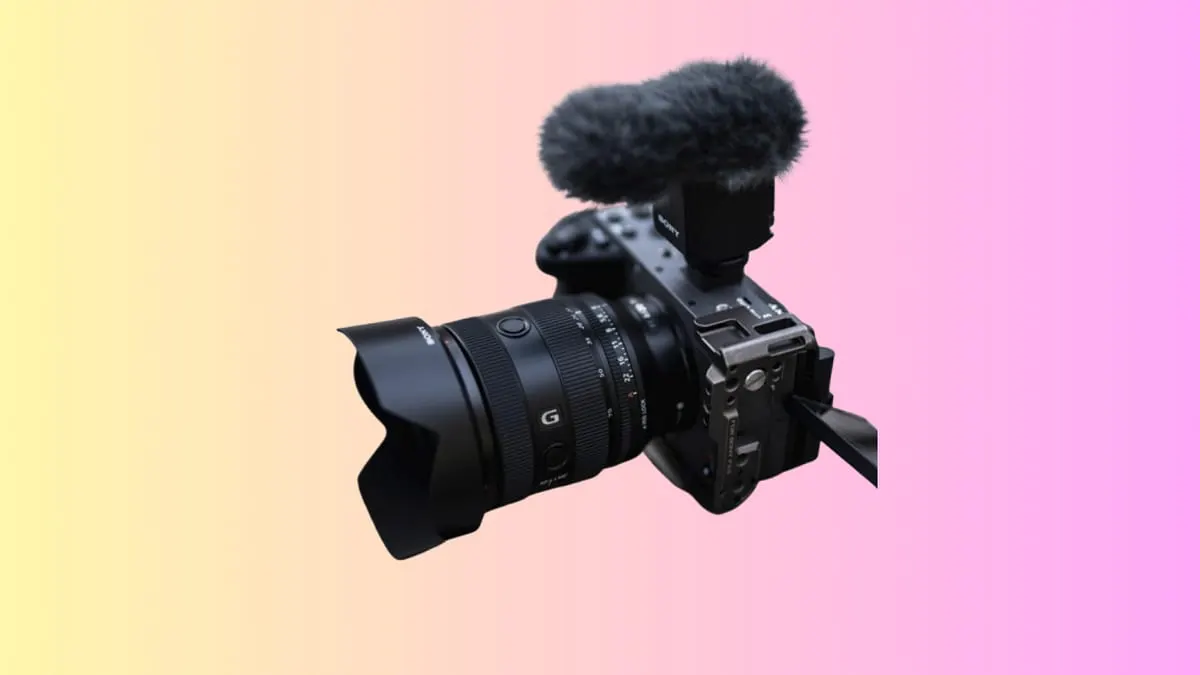
Best Lenses for Sony FX3
Best Lenses for Sony FX3 — how Sony FE 24–70mm f/2.8 GM and Sony FE 16–35mm f/2.8 GM compare on features and price, and who each is best for.