Best Sony Cameras
As an Amazon Associate we earn from qualifying purchases. Some links in this guide are affiliate links — see our affiliate disclosure for details.
Short answer: Which Sony camera is best?
The guide's short version names the Sony A7 IV as the one most people should buy, the a6700 as the best value, the A7R V for detail and the A7 III as a used bargain.
Sony's line-up is the broadest of any camera maker, and that's the problem: there are four different bodies any given person might reasonably buy, and the spec sheets don't make the choice obvious. So this guide is organised by what you shoot rather than by price.
The short version
| If you want | Buy this | Why |
|---|---|---|
| The best all-round Sony | Sony A7 IV | 33MP, strong autofocus, the sensible middle of the range |
| Maximum detail | Sony A7R V | 61MP with the AI autofocus processor |
| Best APS-C, and best value overall | Sony a6700 | Current-generation autofocus and IBIS in a small body |
| Vlogging on a budget | Sony ZV-E10 II | Interchangeable lenses, built for talking to camera |
| Pocketable | Sony ZV-1 II | Wider lens than the original, fits in a jacket |
| Small full-frame | Sony A7C II | A7 IV sensor in a rangefinder-style body |
| Sport, with no blackout at all | Sony A9 III | Global shutter — 120 fps, zero rolling shutter |
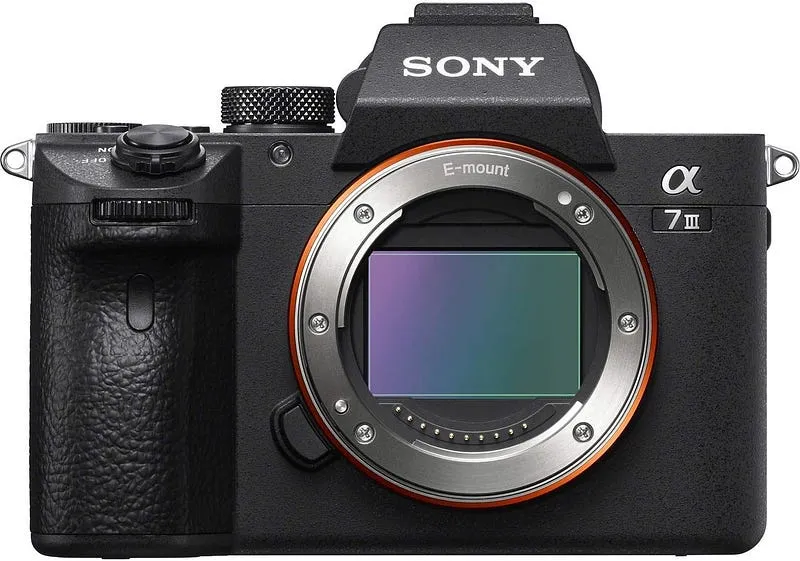
- Full-frame sensor — stunning low-light performance and dynamic range.
- Incredible autofocus — Eye AF for humans and animals (game-changer for portraits).
- Long battery life — no more carrying five batteries for a single shoot.
- Great for video — 4K recording with excellent stabilisation.
But on the used market it is now the cheapest route into Sony full-frame with autofocus that still holds up for portraits and events. If your budget is the constraint, this is a better buy than a new APS-C body with a kit lens.
Sony A7 IV — the one most people should buy
The A7 IV is what the A7 III became, and it fixed the two things that actually annoyed people: resolution and the rear screen.
- Sensor: 33MP full-frame
- Burst: 10 fps
- Video: 4K/60 (with a crop), 4K/30 from the full sensor width
- Screen: fully articulating, which matters more than it sounds if you shoot video or low angles
- Cards: two slots, one taking CFexpress Type A
Who it's for: the default answer for weddings, portraits, events, travel, and hybrid photo/video work. 33MP is the sweet spot — enough to crop and print, small enough that your drive doesn't fill in a weekend.
Who should skip it: if you shoot fast sport, 10 fps and a readout that isn't stacked will hold you back. If you shoot landscapes for large prints, spend up to the A7R V.
Sony α7R V — for the detail-obsessed
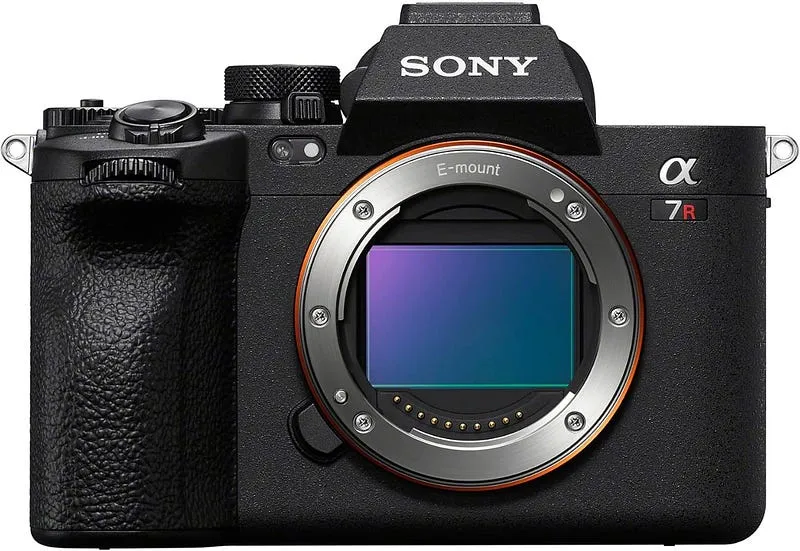
Why it's a beast
- 61MP sensor — cropping without losing detail.
- Dedicated AI processing unit — recognises human pose, animals, birds, insects and vehicles, and holds focus when a face turns away.
- 8K video — future-proofing for videography work.
Who should skip it: 61MP is not free. Files are large, it punishes imprecise focus and slow shutter speeds, and it demands genuinely sharp lenses — a cheap zoom on an A7R V will look worse than the same zoom on an A7 IV. If you don't print big or crop hard, this is the wrong camera.
Sony a6700 — the best value in the line-up
The a6700 took the AI autofocus from the full-frame bodies and put it in Sony's small APS-C shell, and it finally added in-body stabilisation, which the a6400 never had.
- Sensor: 26MP APS-C
- Autofocus: the AI subject-recognition system, not the older generation
- Stabilisation: in-body, 5-axis
- Video: 4K/120 (cropped), 4K/60 oversampled
Who it's for: travel, wildlife on a budget (APS-C gives you extra reach from the same lens), and anyone who wants full-frame-grade autofocus without full-frame size or price.
Who should skip it: single card slot, and no built-in flash. For paid event work where a card failure is unacceptable, buy full-frame with two slots.
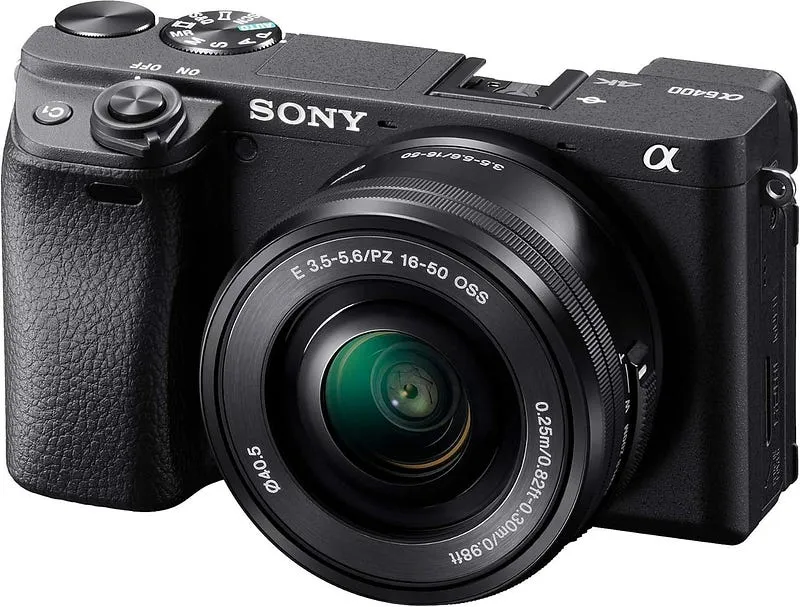
It's still a capable camera and still sold, but the a6700 replaced it properly: same size, better autofocus, and the IBIS the a6400 lacked. Buy the a6400 today only if the price gap genuinely decides it for you.
Sony A7C II — full-frame that doesn't look like a camera
The A7C II is the A7 IV's 33MP sensor in a flat, rangefinder-style body with a corner viewfinder. It weighs noticeably less and draws far less attention on the street.
Who it's for: travel and street photographers who want full-frame files without a full-frame silhouette.
Who should skip it: the viewfinder is small, the grip is shallow, and there's one card slot. Long lenses feel unbalanced on it.
Sony ZV-E10 II and ZV-1 II — the content-creator pair
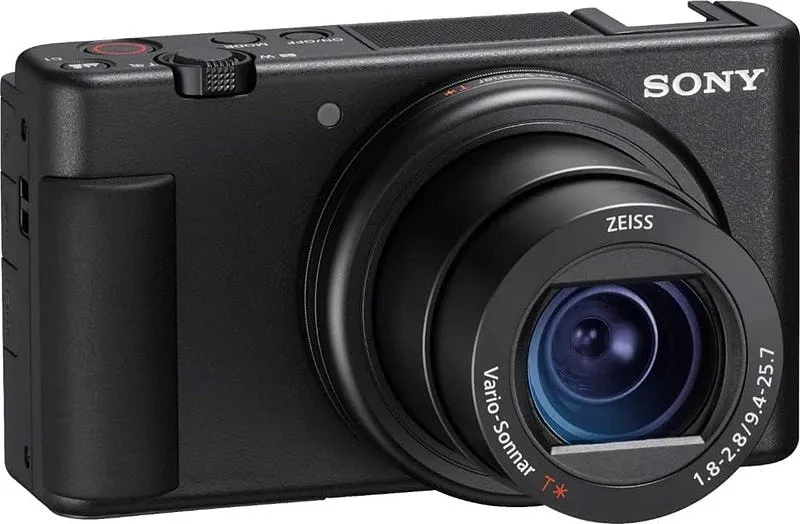
Both have been replaced, and the replacements are meaningfully better:
- ZV-E10 II — 26MP APS-C with interchangeable lenses. The right pick if you want your vlogging camera to also be a real stills camera. Note it has no in-body stabilisation, so walking shots need a stabilised lens or a gimbal.
- ZV-1 II — fixed lens, but Sony widened it to 18mm equivalent, which was the single biggest complaint about the original. If you film yourself at arm's length, this is the difference between fitting in frame and not.
Who should skip both: if you mostly shoot stills, these are built around video ergonomics and you'd be happier with an a6700.
Sony A9 III — if your subject moves faster than your shutter
The A9 III is the first full-frame camera with a global shutter, which means the whole sensor is read at once. That removes rolling-shutter distortion entirely and allows flash sync at any shutter speed.
- Burst: 120 fps
- Sensor: 24.6MP global shutter
- Flash sync: up to 1/80,000s
Who it's for: professional sport, birds in flight, and studio work where you want to kill ambient light with flash at extreme shutter speeds.
Who should skip it: everyone else. It costs flagship money and gives up dynamic range relative to a conventional sensor. This is a specialist tool, not an upgrade.
How to choose, in order
1. APS-C or full-frame. APS-C (a6700, ZV-E10 II) is smaller, cheaper, and the 1.5× crop gives you more reach for wildlife. Full-frame gives cleaner high ISO and shallower depth of field. For most people starting out, APS-C plus a good lens beats full-frame plus a kit zoom.
2. Decide what resolution you actually need. 24–33MP suits almost everyone. 61MP is for large prints and heavy cropping, and it costs you in storage, lens quality and shutter discipline.
3. Count your card slots. If someone is paying you, two slots stop being a luxury.
4. Budget for lenses, not bodies. Sony's E-mount has the widest lens selection of any mirrorless system, including excellent third-party glass from Sigma and Tamron that often beats Sony's own at the price. That ecosystem is the real reason to buy into Sony.
More picks
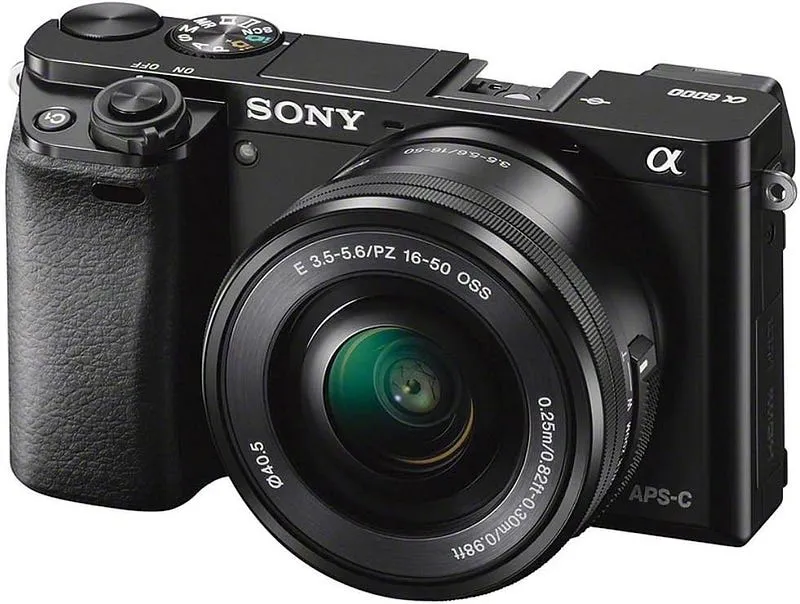
- Sony α6000 — View on Amazon
Frequently asked questions
What's the best Sony camera for beginners? The a6700 if you can afford it, for the autofocus. The ZV-E10 II if you'll shoot as much video as stills. Both use the same E-mount lenses, so neither is a dead end.
Is APS-C or full-frame better for wildlife? APS-C, more often than people admit. The 1.5× crop turns a 400mm lens into a 600mm equivalent field of view, and long lenses are where the money goes.
Can I use full-frame Sony lenses on an APS-C body? Yes — all E-mount lenses fit all E-mount bodies. Full-frame lenses on an APS-C body just show a narrower field of view. The reverse also mounts, but the camera crops.
Do I need in-body stabilisation? For handheld video, yes. For stills, it buys you two or three stops, which matters in low light and matters not at all on a tripod.
Which Sony is best for video? The a6700 for the money, the A7 IV if you need full-frame, and the FX30 if video is the job rather than a part of it — it's the same APS-C sensor in a body built around cooling, timecode and proper video ergonomics.
Starting out: the a6700, and put the savings into a fast prime instead of the kit zoom.
One camera to do everything: the A7 IV. It is the least exciting answer and the right one — 33MP, autofocus that keeps up with paid work, two card slots, and a screen that works for video.
If detail is the point: the A7R V, but only with lenses that deserve it.

Written by
Marien CartelProfessional and Certified Digital Photographer born in the USA, with 22 years of experience in the field of photography.
Related Guides
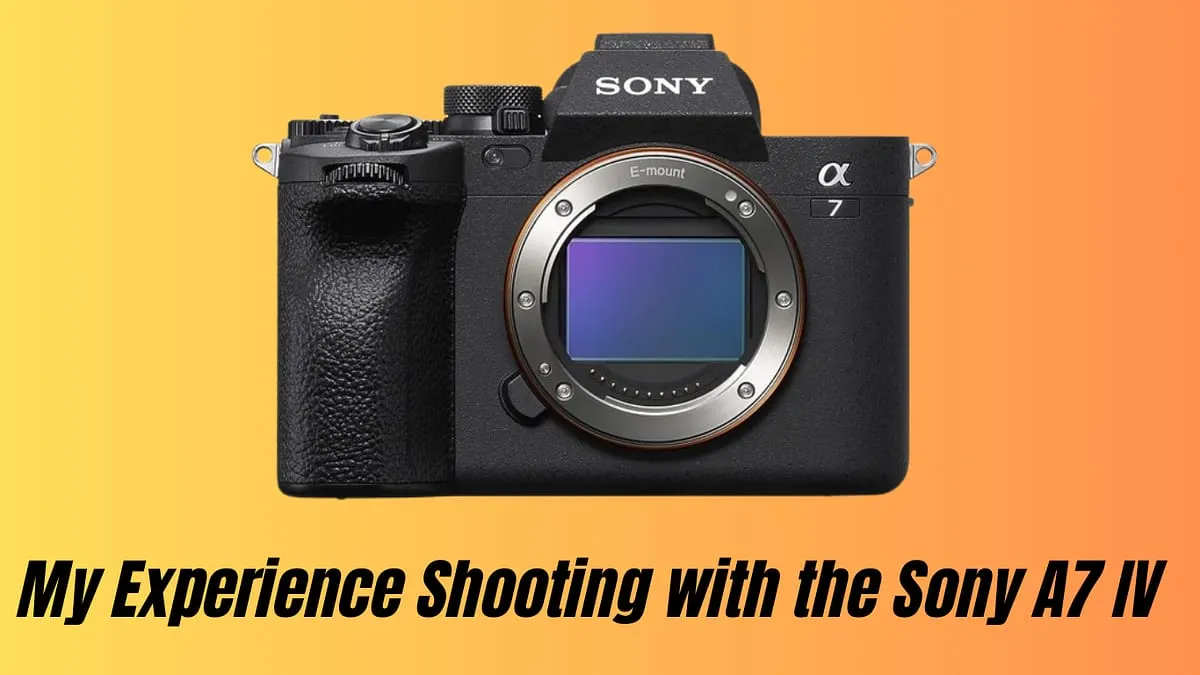
Testing The Sony A7IV Camera
Testing The Sony A7IV Camera — what the Sony A7IV Worth It? offers, where it falls short, and whether it is worth buying.

Best Sony Cameras for Travel
Best Sony Cameras for Travel: Sony Alpha a7C II, Sony Alpha a6700 and Sony RX100 VII compared on features, price and who each one suits.
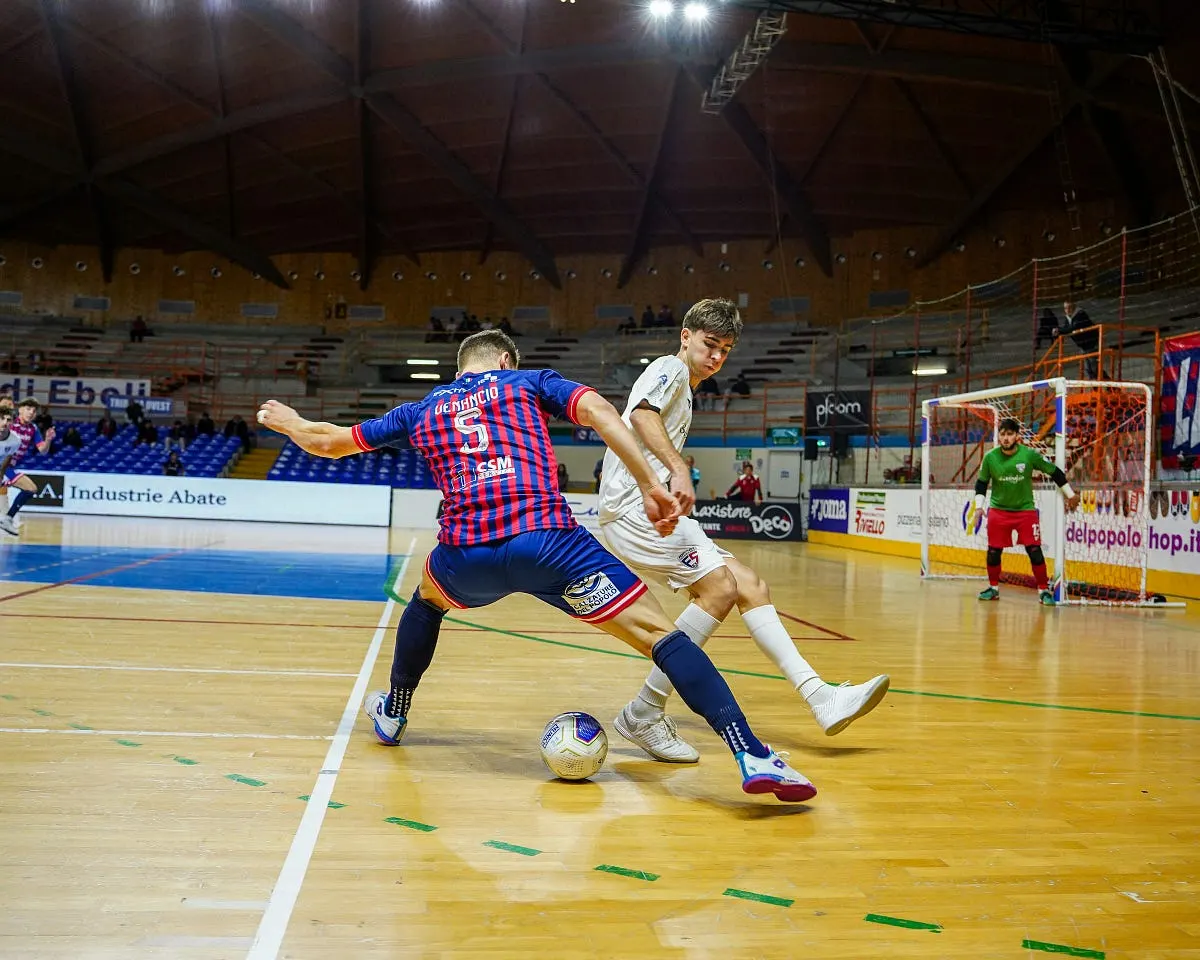
Best Sony Cameras for Sports
Best Sony Cameras for Sports — Sony A7R V, Sony A7C II and Sony A9 III compared, with pros, cons and who should buy which.
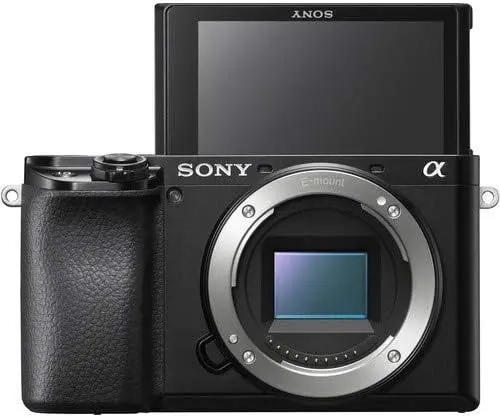
Best Sony Camera for a Beginner on a Budget
The guide's pick is the Sony a6100, with the 16-50mm kit lens and a Sigma 30mm f/1.4 as a first prime. It includes a budget breakdown and beginner tips.
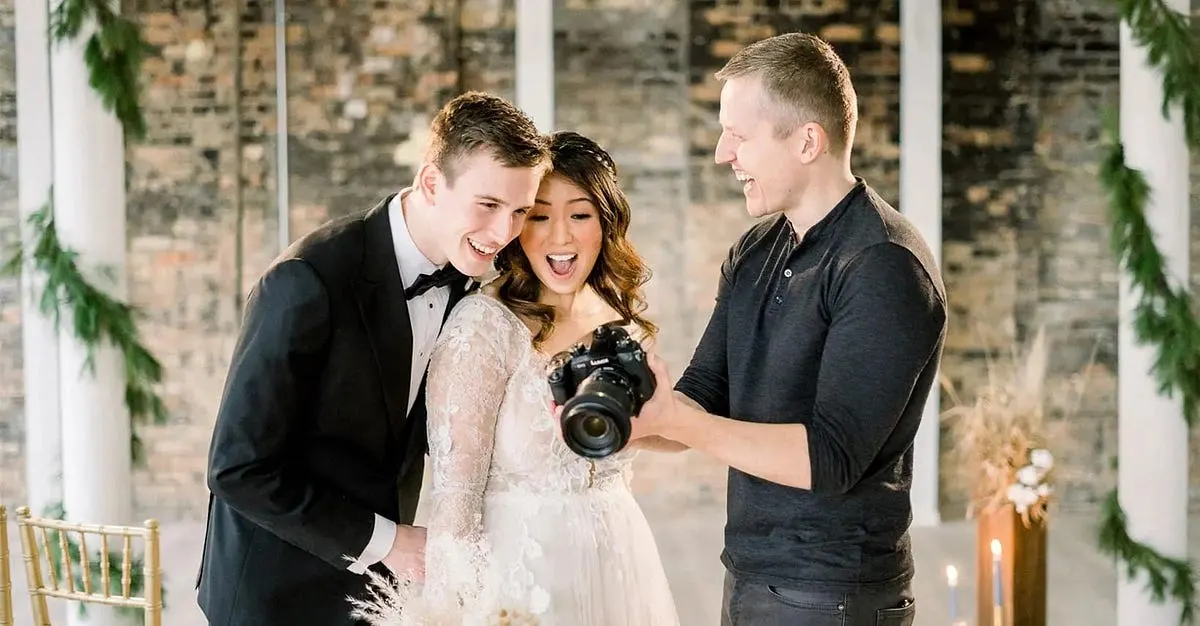
7 Best Sony Camera for Wedding Videography: (2026 Guide & Reviews)
Best Sony Camera for Wedding Videography: a side-by-side look at Sony A1, Sony a7 IV and Sony A7S III, with strengths, trade-offs and buying advice.
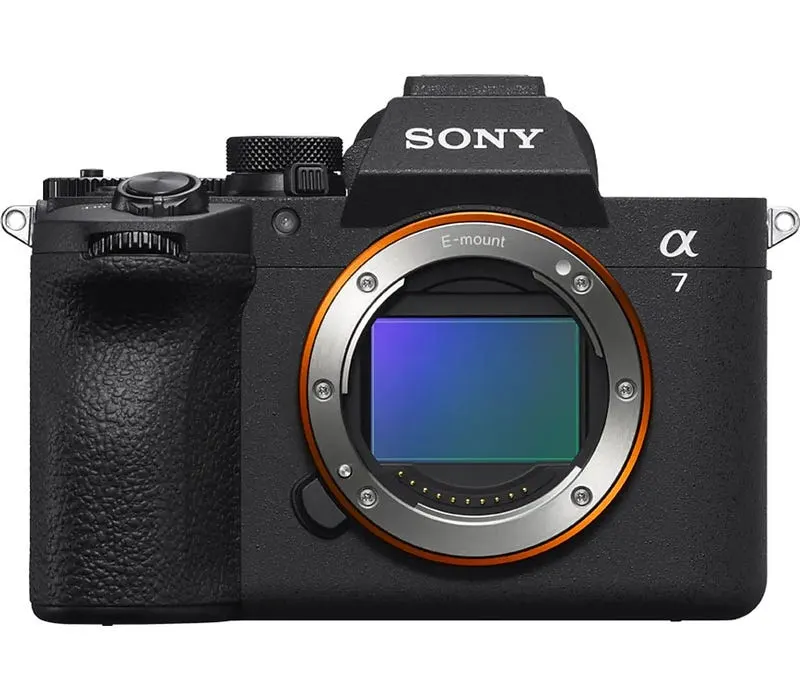
Best Lenses for Sony A7 V
Best Lenses for Sony A7 V: Sony FE 85mm f/1.4 GM, Sony FE 20mm f/1.8 G and Sony FE 24–70mm f/2.8 GM compared on features, price and who each one suits.