Best Nikon Cameras
As an Amazon Associate we earn from qualifying purchases. Some links in this guide are affiliate links — see our affiliate disclosure for details.
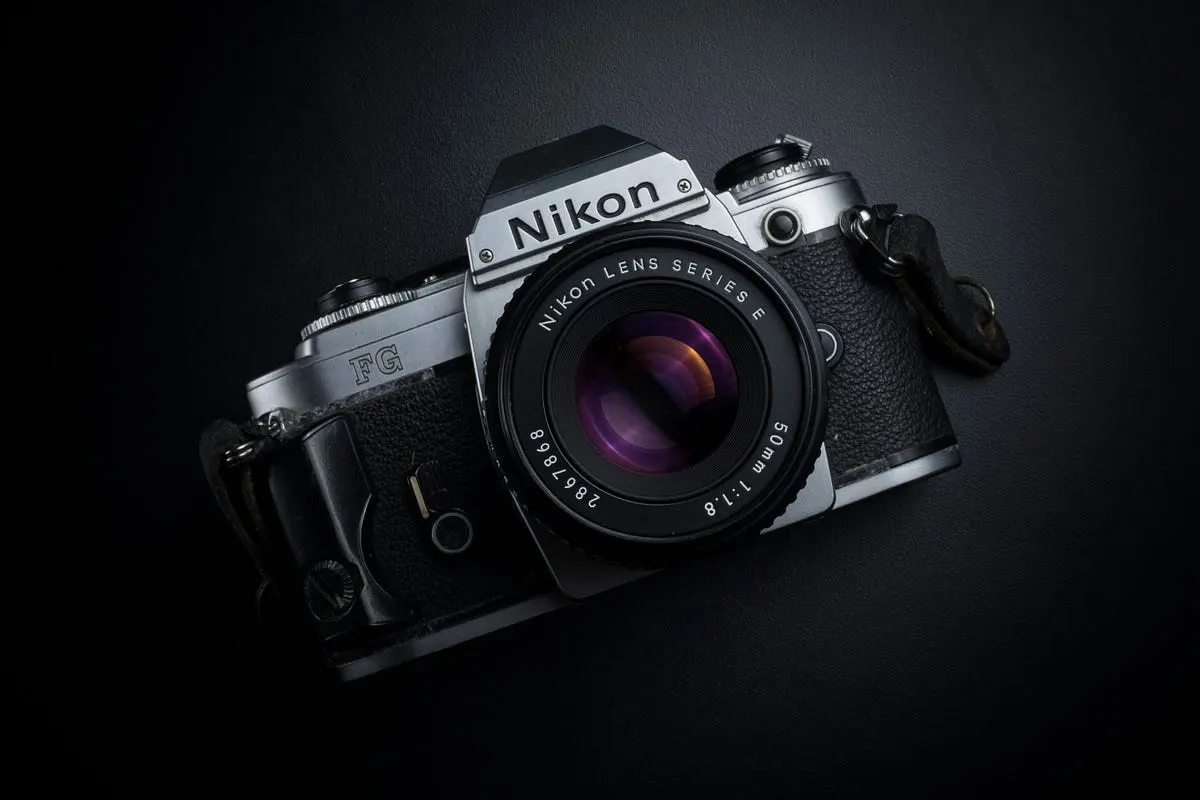
Photo by Mikkel Bech on Unsplash
Short answer: Which Nikon camera is best?
The guide's short version: the Nikon Z8 is recommended for most people, the Z6 III is the sensible choice, the Z9 is for long-lens professionals, the Zf changes how you shoot and the Z50 II is the right first Nikon.
The short version
| If you want | Buy this | Why |
|---|---|---|
| The best all-round Nikon | Nikon Z8 | The Z9's sensor and autofocus in a body you'll actually carry |
| Best value full-frame | Nikon Z6 III | Fast enough for most action, strong video, half the price of a Z8 |
| Wildlife and sports, no compromise | Nikon Z9 | Flagship speed, battery and buffer for long telephoto work |
| Best for beginners | Nikon Z50 II | Current-generation autofocus in the cheapest Nikon body worth owning |
| Shooting for the pleasure of it | Nikon Zf | Full-frame with real dials — slower to use, and better for it |
| Maximum resolution per rupee | Used Nikon D850 | 45.7MP for a fraction of new-body money |
Recommended option
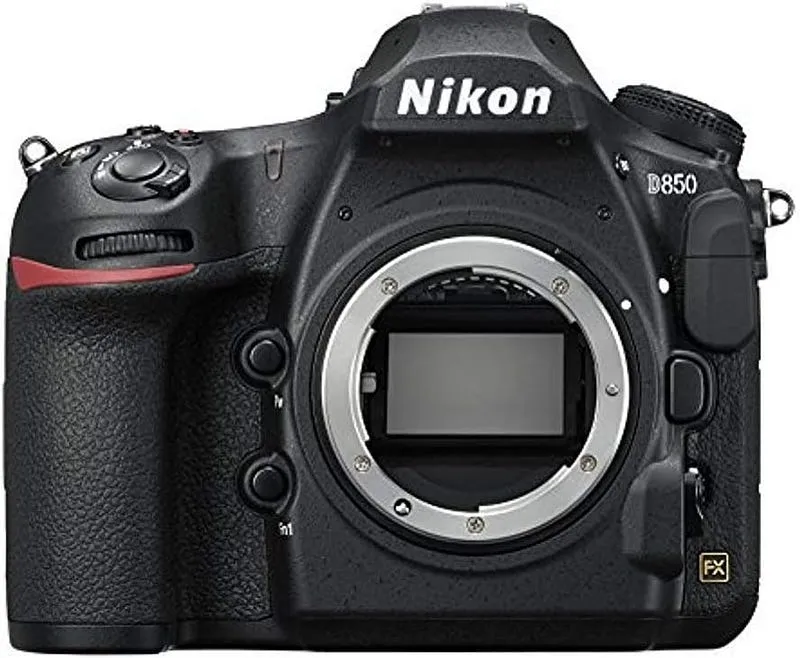
The Z8 is the camera that makes the rest of the line-up hard to justify. Nikon took the 45.7MP stacked sensor and the autofocus from the flagship Z9, and put them in a body that weighs roughly a third less and costs meaningfully less.
- Sensor: 45.7MP stacked BSI full-frame
- Burst: 20 fps raw, with a blackout-free electronic viewfinder
- Shutter: fully electronic — no mechanical shutter to wear out
- Video: 8K internally, 4K up to 120p
- Cards: CFexpress Type B + UHS-II SD
Who it's for: anyone who shoots more than one kind of subject. Landscapes want the resolution, events want the autofocus, and video is genuinely professional rather than an afterthought.
Who should skip it: if you only shoot stills of static subjects, you are paying for speed you'll never use — the Z6 III or a used D850 gets you there for much less. And 45.7MP raw files fill cards and hard drives fast, which is a real cost people forget.
Nikon Z6 III — the sensible choice
The Z6 III is where most photographers should actually stop and think hard, because it does 90% of what the Z8 does for roughly half the outlay.
- Sensor: 24.5MP partially-stacked full-frame
- Burst: 20 fps raw
- Video: 6K/60 raw internally, which is unusual at this price
- Viewfinder: the brightest EVF Nikon has shipped — genuinely easier in harsh sun
Who it's for: wedding and event shooters, hybrid photo/video work, and anyone who wants one body to do everything without the file sizes of a 45MP sensor.
Who should skip it: if you crop heavily — wildlife at distance, or landscapes you print large — 24.5MP will frustrate you. That is the one argument for spending up.
Nikon Z9 — only if you shoot long lenses for a living
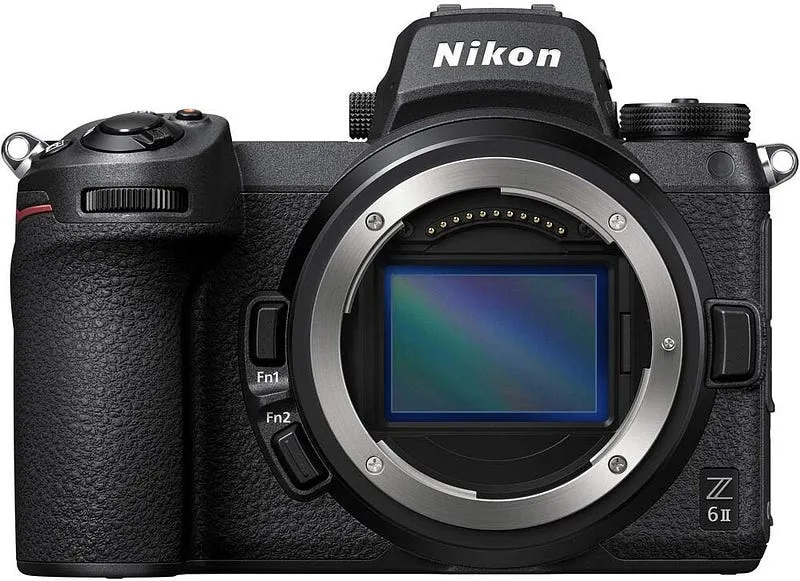
The Z9 is a flagship in the old sense: a big, heavy, vertical-grip body built to be used all day in bad weather with a lens that costs more than a car.
- Sensor: 45.7MP stacked BSI
- Burst: 20 fps raw, up to 120 fps at reduced resolution
- Build: integrated grip, dual CFexpress, the biggest battery Nikon makes
Who should skip it: almost everyone. The Z8 has the same sensor and the same autofocus. Unless you need the battery, the buffer or the built-in grip, you are carrying weight for nothing.
Nikon Zf — the one that changes how you shoot
The Zf puts a 24.5MP full-frame sensor behind physical shutter-speed and ISO dials. On paper that's a gimmick. In practice, setting exposure with your eyes off the screen changes your pace, and for a lot of people that's worth more than another two frames per second.
Who it's for: street, travel and anyone who has started to find modern cameras joyless.
Who should skip it: it has one card slot, and the grip is shallow enough that big telephoto lenses feel wrong on it. This is not a sports camera.
Nikon Z50 II — the right first Nikon
- Sensor: 20.9MP APS-C
- Processor: the same EXPEED 7 as the Z8 and Z9
That second line is the whole point. Nikon put its flagship processor in its cheapest serious body, which means subject-detection autofocus that a beginner can rely on rather than fight.
Who it's for: a first interchangeable-lens camera, or a light second body.
Who should skip it: if you already know you want shallow depth of field for portraits, save longer and buy full-frame instead of buying twice.
This is the part most "best Nikon camera" lists get wrong. They either pretend DSLRs don't exist, or they recommend them as though it's still 2017. The truth is narrower and more useful: Nikon's DSLRs are now used gear, and on the used market two of them are extraordinary value.
Nikon D850 — still the resolution bargain
45.7MP, full-frame, weather-sealed, and now available for well under half what it cost new. For studio work, landscapes and architecture — anything on a tripod where autofocus speed is irrelevant — the image quality is still genuinely current.
The catch: optical viewfinder means no exposure preview, autofocus relies on a separate module that needs occasional calibration per lens, and live-view autofocus is slow enough to be unusable for video.
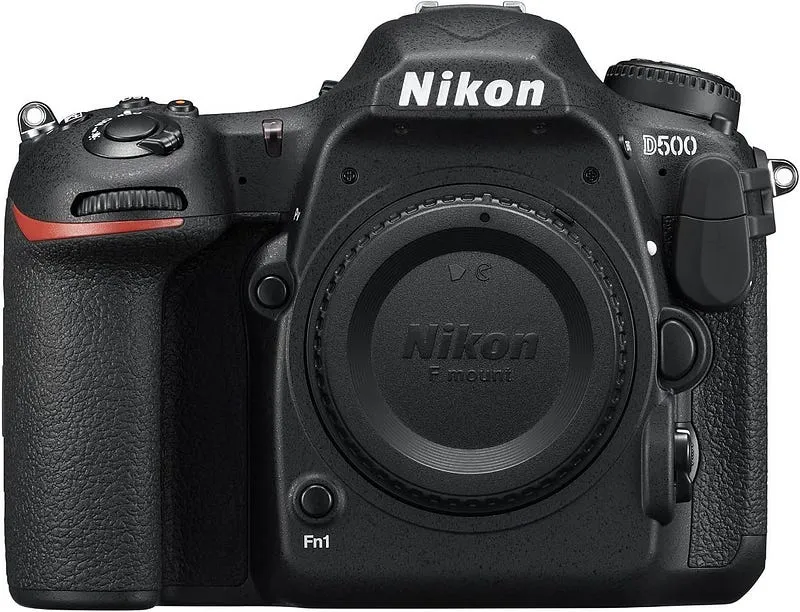
Nikon D500 — the used wildlife pick
It's a fantastic general-purpose wildlife camera, compact yet powerful, especially when paired with the 300mm PF lens. The tilting screen also made low-angle shots much easier.
20.7MP is modest by current standards, but the autofocus module was borrowed from the flagship of its day, and paired with a used 300mm or 500mm PF lens this is still the cheapest way into serious bird photography.
Top picks
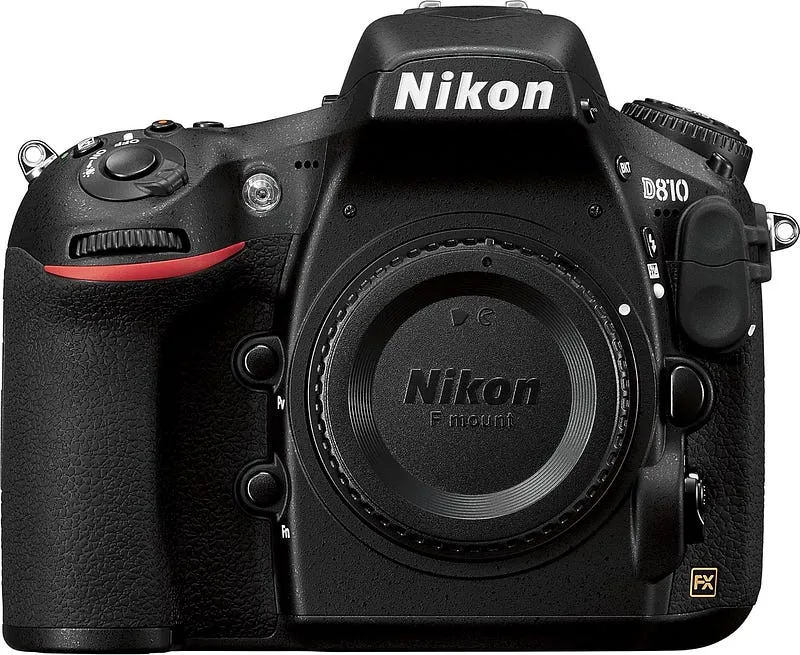
If the D850's used price is still beyond you, the D810 gives up frame rate and video but very little image quality.
When a used DSLR is the wrong answer
Be honest with yourself about three things before buying one:
- Do you shoot moving subjects? Mirrorless subject-detection autofocus is not a marketing bullet point; it is a different hit rate. If you photograph children, pets, birds or sport, this alone justifies a Z body.
- Do you shoot video at all? Nikon's DSLRs are poor video cameras. Not adequate — poor.
- Do you want to buy lenses long-term? Nikon's new optical development is all Z-mount. F-mount lenses work on Z bodies via the FTZ adapter, but not the reverse.
If all three answers point to mirrorless, buy the cheapest Z body you can rather than the best DSLR you can afford.
How to choose, in order
1. Full-frame or APS-C. APS-C is smaller, cheaper and gives you more reach with the same lens — which is why it stays popular for wildlife. Full-frame gives you cleaner high ISO and shallower depth of field. Neither is "better".
2. Set the lens budget first. A Z6 III with one good lens beats a Z8 with a kit zoom, every time. Bodies change every four years; good glass lasts twenty.
3. Then match the body to your subject. Static subjects reward resolution. Moving subjects reward autofocus and frame rate. Almost nobody needs both maximised.
More picks
- Nikon cameras — View on Amazon
- Nikon D7000 — View on Amazon
- Nikon D7000 (alternate link) — View on Amazon
- Nikon D3 Series — View on Amazon
- Nikon D500 — View on Amazon
- Nikon D810 — View on Amazon
Frequently asked questions
Is Nikon still making DSLRs? No. Nikon has moved development entirely to the mirrorless Z-mount. DSLRs are still sold and serviced, but nothing new is coming.
Can I use my old F-mount lenses on a Z body? Yes, with Nikon's FTZ adapter, and autofocus works on AF-S and AF-P lenses. Older screw-drive AF-D lenses will mount and meter but won't autofocus. This is the single biggest reason existing Nikon owners find switching easy.
Which Nikon is best for wildlife? New, the Z8 — the same autofocus as the flagship in a carryable body. On a budget, a used D500 with a PF telephoto is still hard to beat for the money.
Which Nikon is best for video? The Z6 III, and it isn't close at its price. Internal 6K raw is a specification that used to require a cinema camera.
Is the Z9 worth it over the Z8? For most people, no. Same sensor, same autofocus. You are paying for the battery, the buffer and the integrated grip.
Choosing the best Nikon camera depends on your specific needs — whether it's high resolution, speed, or versatility. If you're considering a Nikon, start with what feels right in your hands and what matches your style.

Written by
Marien CartelProfessional and Certified Digital Photographer born in the USA, with 22 years of experience in the field of photography.
Related Guides

Best Nikon Full Frame Cameras for Night Photography
Best Nikon Full Frame Cameras for Night Photography — Nikon Z5, Nikon Z6 II and Nikon Z8 compared, with pros, cons and who should buy which.
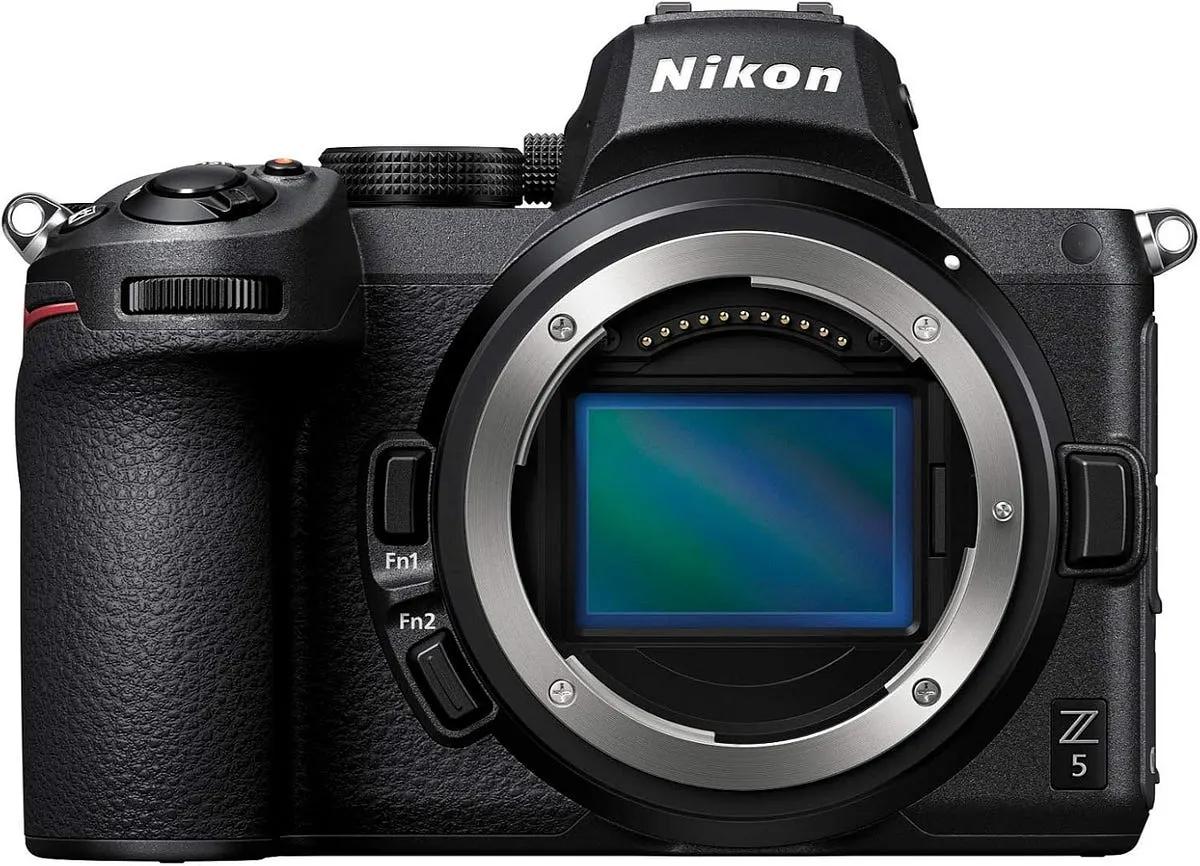
Best Full Frame Mirrorless Camera for Beginners Nikon
Best Full Frame Mirrorless Camera for Beginners Nikon: key features, strengths, drawbacks and who should buy the Nikon Z5.
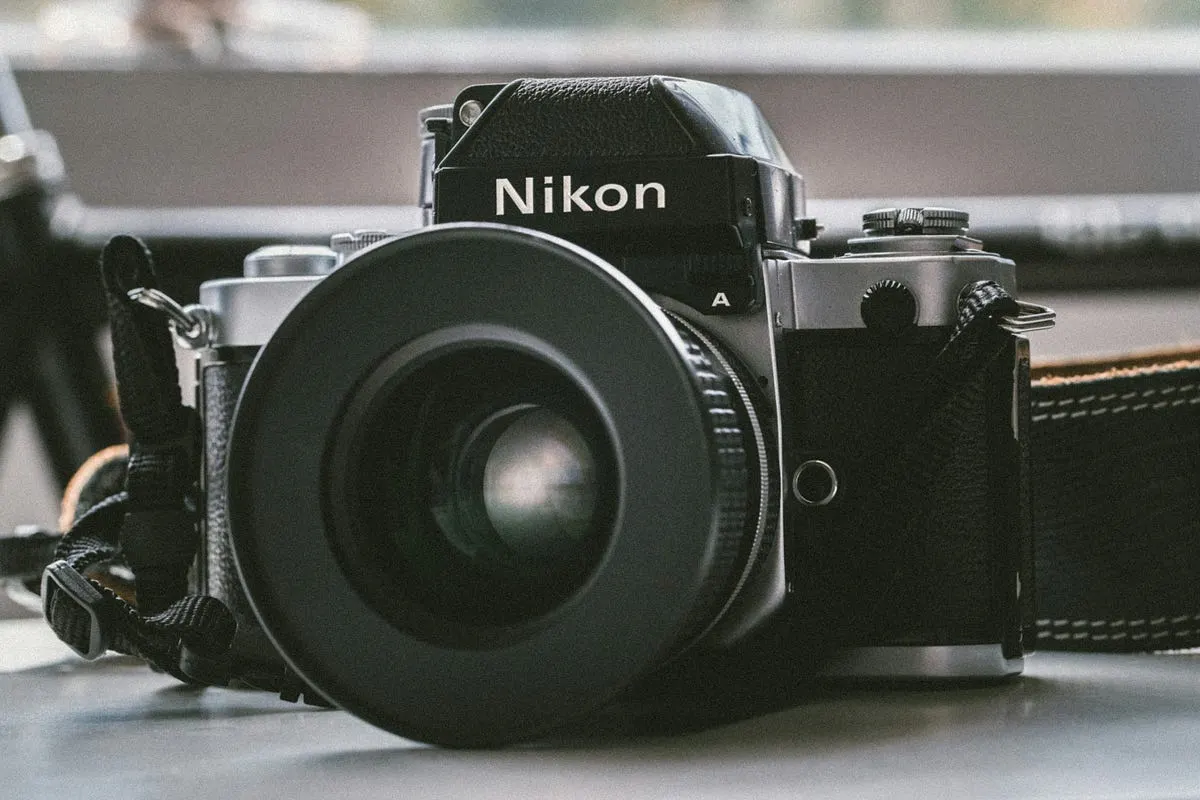
Best Nikon Camera for Professional Photography
Nikon has many cameras that are suitable for professional photography, including mirrorless cameras and DSLRs.
Top 3 Mirrorless Cameras: Canon R6 II, Panasonic S5 II and Nikon Z30
Top 3 Mirrorless Cameras: Canon R6 II, Panasonic S5 II and Nikon Z30: key features, strengths, drawbacks and who should buy the Canon EOS R6 Mark II.

Best Nikon Camera for Photography Beginners
Best Nikon Camera for Photography Beginners — Nikon D3500, Nikon Z50 and Nikon Z5 compared, with pros, cons and who should buy which.
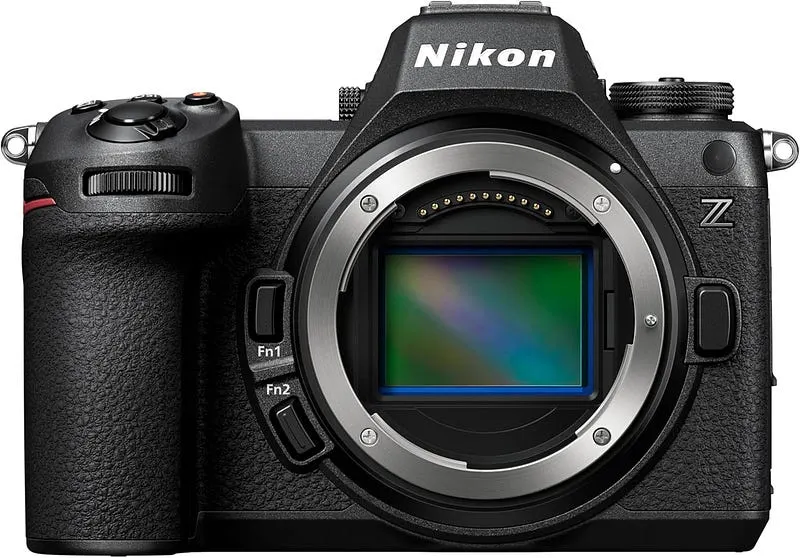
Best Nikon Mirrorless Camera
The guide's pick is the Nikon Z6 III. It covers its partially stacked CMOS sensor, autofocus, video features, electronic viewfinder, and its stability and.