Best Lenses for Safari Photography
As an Amazon Associate we earn from qualifying purchases. Some links in this guide are affiliate links — see our affiliate disclosure for details.
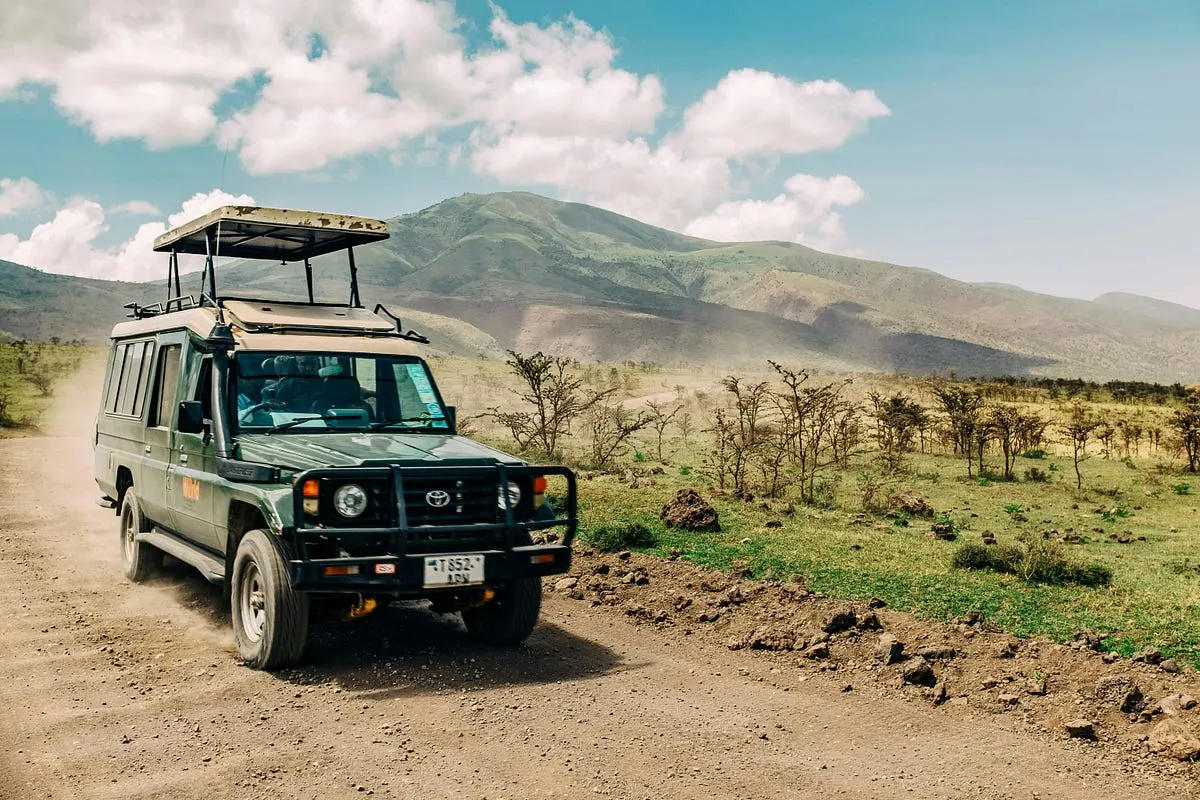
Photo by Ashim D’Silva on Unsplash
Going on a safari is a dream for many wildlife and photography enthusiasts. The thrill of seeing majestic animals in their natural habitat is unmatched, but capturing those moments requires the right gear — especially the right lenses.
On my first safari in Kenya’s Maasai Mara, I quickly realized that my standard zoom lens wasn’t cutting it. Lions were too far away, birds were tiny dots in the frame, and low-light conditions at dawn made shooting challenging. After several trips and lots of trial and error, I’ve narrowed down the best lenses for safari photography. Here’s what I’ve learned.
Key Factors to Consider When Choosing Safari Lenses
Before diving into specific lenses, let’s look at what makes a lens great for safari:
- Focal Length — Animals are often far away, so a telephoto lens (200mm+) is essential.
- Aperture — A wide aperture (f/2.8–f/4) helps in low light and creates beautiful bokeh.
- Image Stabilization — Handholding long lenses in a moving vehicle requires stabilization.
- Durability — Dust, heat, and bumps are common; weather-sealed lenses are best.
- Weight & Portability — Safaris involve long hours; heavy lenses can be tiring.
Best Lenses for Safari Photography
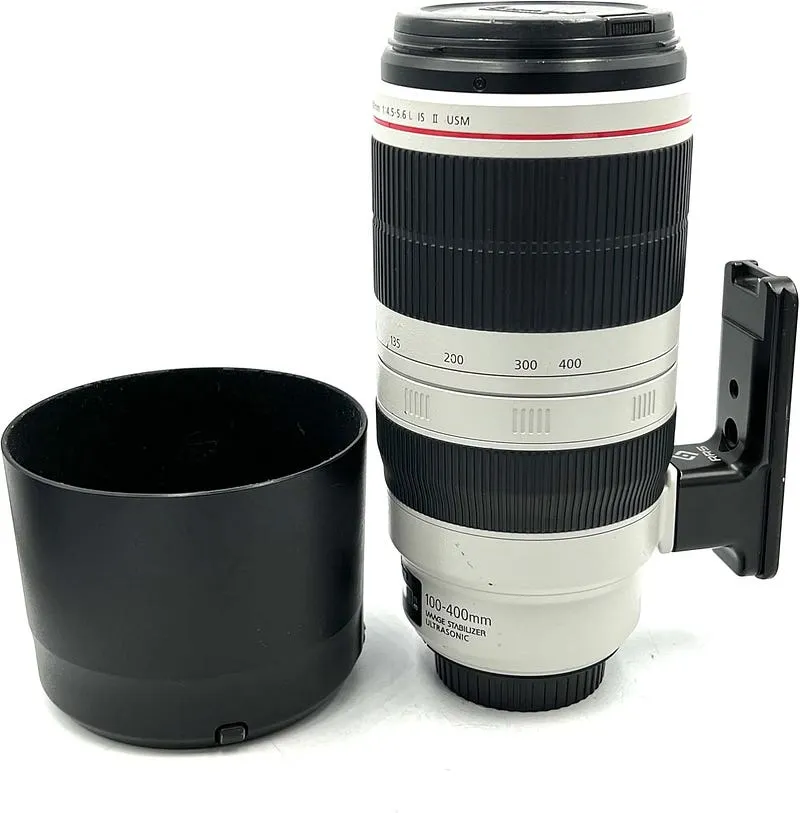
- Canon EF 100–400mm f/4.5–5.6L IS II USM
Why I Love It:
This was my go-to lens on my second safari. The zoom range is perfect — 100mm for closer subjects like elephants and 400mm for distant leopards. The image stabilization is fantastic, and it’s relatively lightweight compared to primes.
Best For:
- Versatile wildlife shots
- Handheld shooting
- Budget-friendly compared to super-telephotos
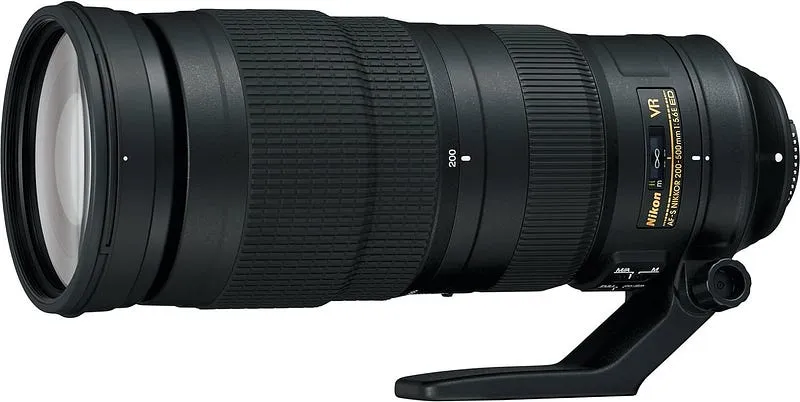
2. Nikon 200–500mm f/5.6E ED VR
Why It’s Great:
A friend on my Tanzania trip used this lens, and I was impressed by its sharpness and reach. The 500mm end is incredible for birds and shy animals. The vibration reduction (VR) helps with handheld shots.
Best For:
- Nikon shooters needing extra reach
- Budget-conscious photographers
- Sharp, detailed images
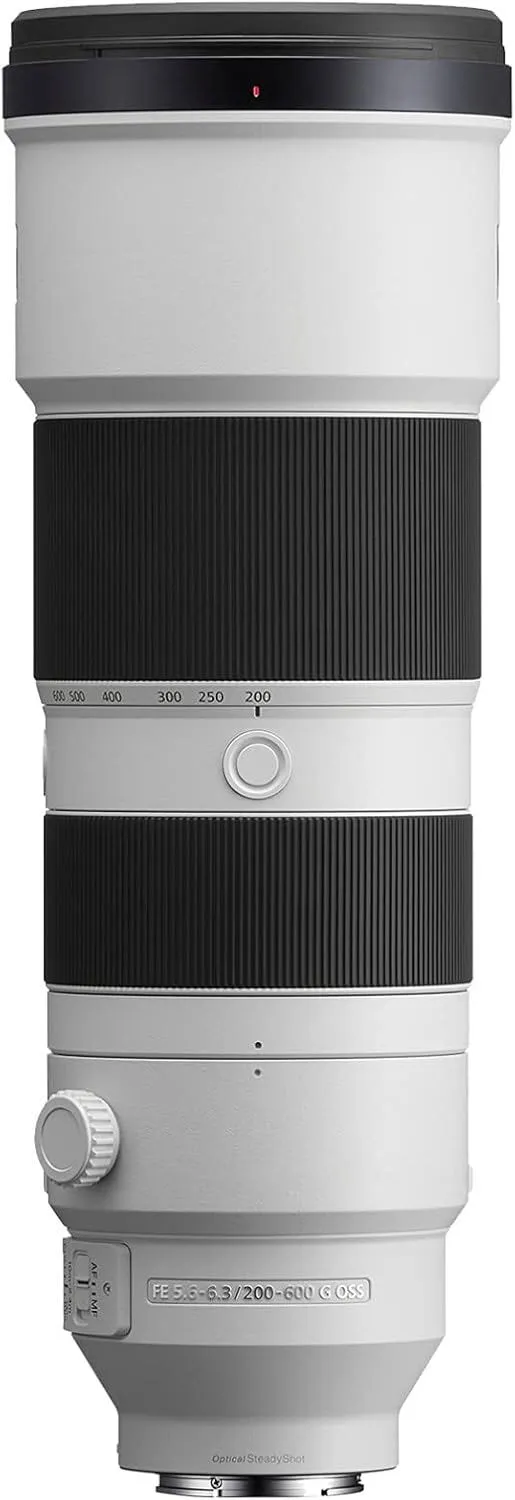
3. Sony FE 200–600mm f/5.6–6.3 G OSS
Why It’s a Winner:
When I switched to Sony, this lens became my safari workhorse. The internal zoom means it doesn’t extend, making it easier to handle in a jeep. The autofocus is lightning-fast, crucial for moving subjects like cheetahs.
Best For:
- Sony mirrorless users
- Wildlife and action shots
- Those who want a balance of reach and portability
4. Sigma 150–600mm f/5–6.3 DG OS HSM (Contemporary/Sport)
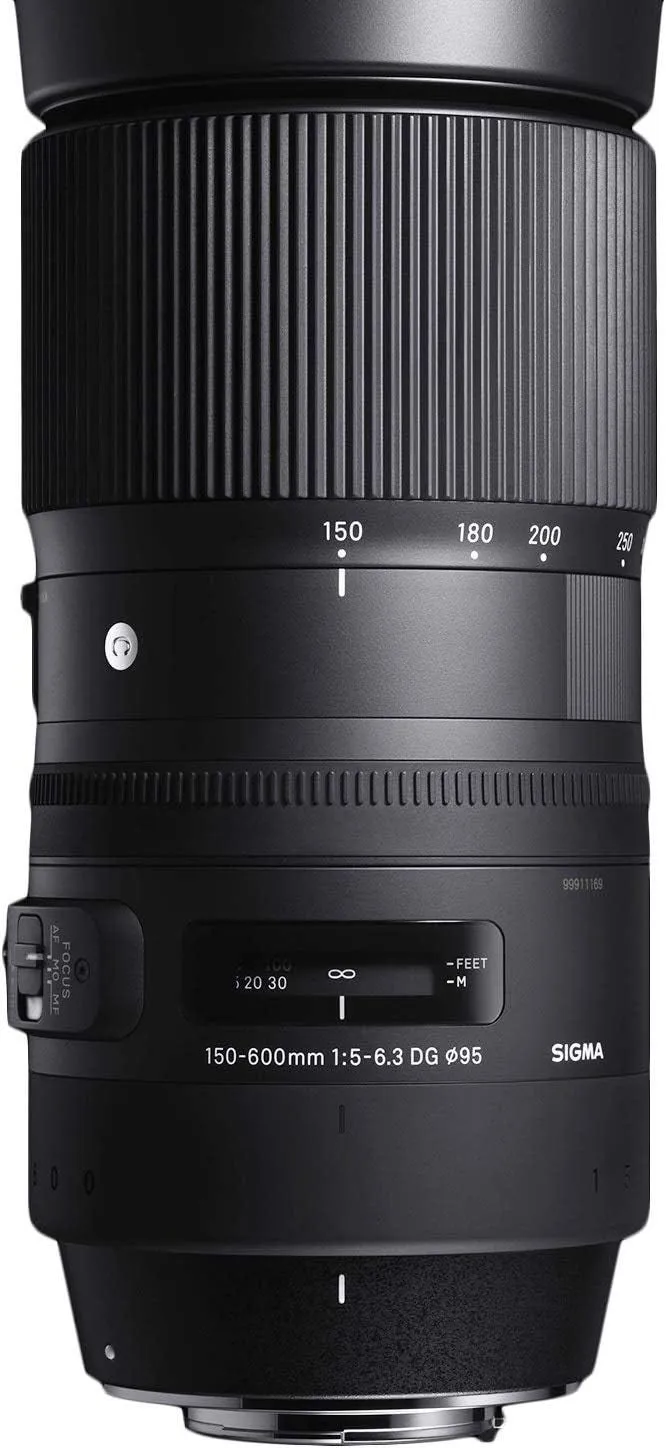
Why It’s a Solid Choice:
This lens offers incredible value. I tested the Sport version in Botswana, and the build quality was excellent. The 600mm reach is unbeatable for the price.
Best For:
- Budget-friendly super-telephoto
- DSLR users (Canon/Nikon)
- Those who need extreme reach
5. Prime Lenses: Canon EF 400mm f/2.8L IS III / Nikon 500mm f/4E FL ED VR
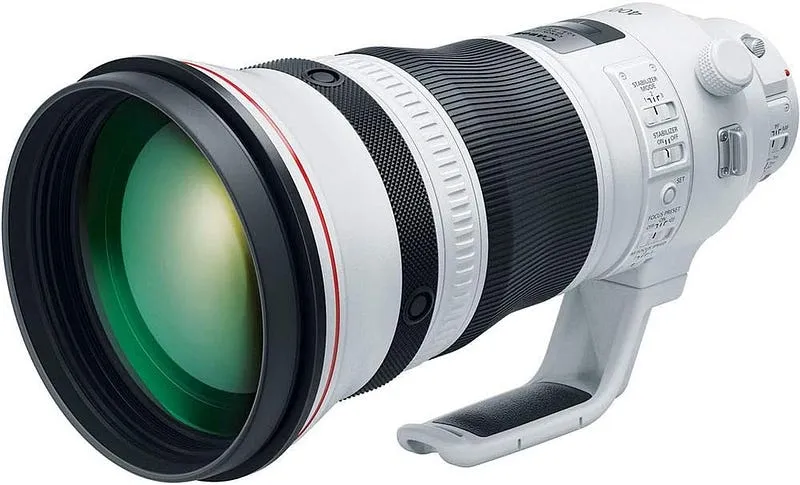
Why Pros Use Them:
On my most recent trip, a professional wildlife photographer had the Canon 400mm f/2.8. The image quality was stunning, especially in low light. However, these lenses are heavy and expensive.
Best For:
- Professional wildlife photographers
- Low-light conditions (early morning/late evening)
- Those willing to invest in top-tier optics
My Personal Safari Lens Journey
On my first safari, I only had a 70–200mm f/2.8. While great for portraits, it was too short for wildlife. I missed shots of a leopard in a tree because it was just a speck in my frame.
After that, I upgraded to the Canon 100–400mm, which was a game-changer. I captured a stunning shot of a lioness at sunset, her eyes glowing in the golden light. The extra reach made all the difference.
Later, switching to Sony, the 200–600mm gave me even more flexibility. In South Africa, I photographed a rare African wild dog at 600mm — crisp, detailed, and perfectly framed.
Final Tips for Safari Photography
- Bring Two Bodies — One with a wide-angle (24–70mm) for landscapes and another with a telephoto.
- Use a Bean Bag — Instead of a tripod, a bean bag stabilizes your lens on the jeep’s window.
- Shoot in Burst Mode — Animals move unpredictably; burst mode increases your chances of the perfect shot.
- Early Morning & Late Afternoon — The light is magical, and animals are most active.
Conclusion
The best safari lens depends on your budget, camera system, and shooting style. For most enthusiasts, a 100–400mm or 150–600mm zoom is ideal. If you’re serious about wildlife, investing in a fast prime (400mm f/2.8, 500mm f/4) is worth it.
My biggest lesson? It’s not just about the gear — it’s about patience and being ready. The best lenses help, but the real magic happens when you immerse yourself in the experience.
Have you been on a safari? What lenses worked best for you? Share your stories in the comments!
Happy shooting, and may your safari adventures be filled with incredible moments! 🦁📸
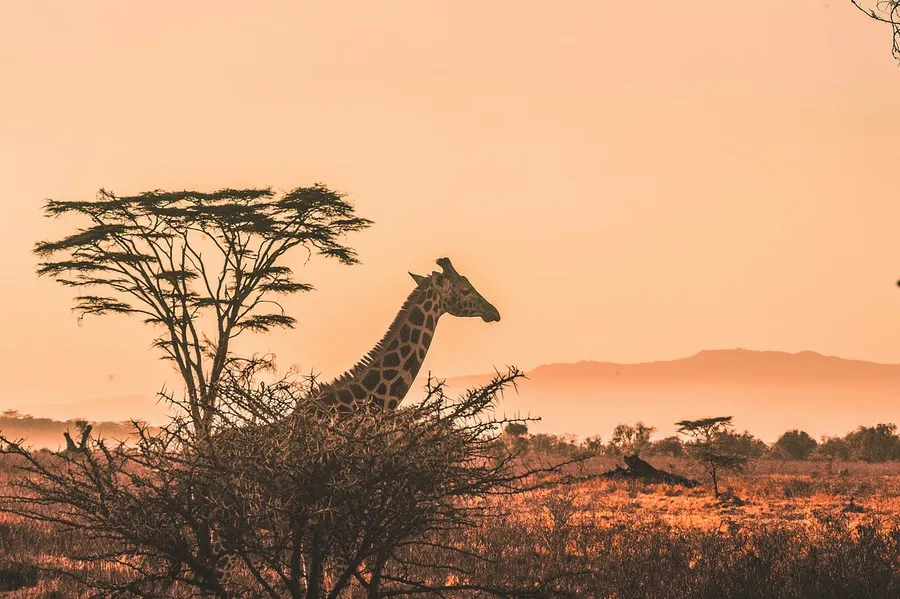
Photo by Harshil Gudka on Unsplash
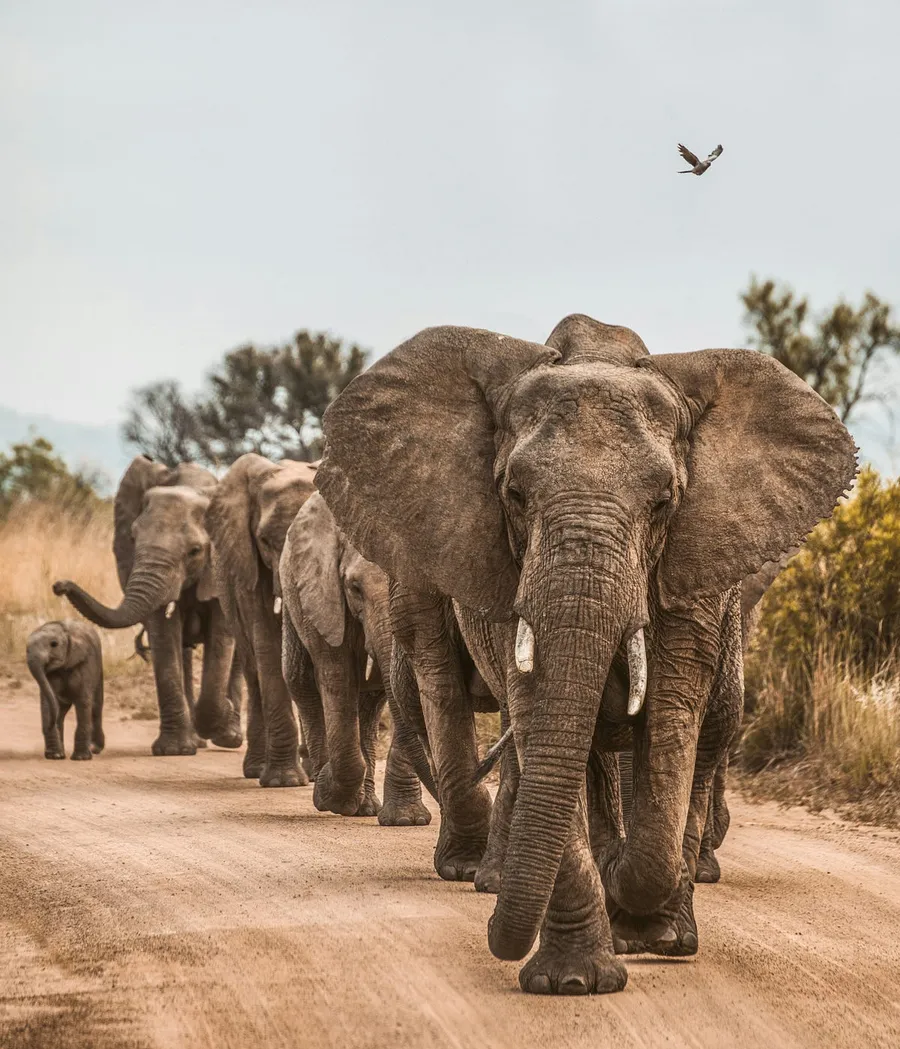
Photo by redcharlie on Unsplash
Written by
Marien CartelProfessional and Certified Digital Photographer born in the USA, with 22 years of experience in the field of photography.
Related Guides
Best Lens for Panasonic LUMIX S5: (2026 Guide & Reviews)
Unlocking the Cinematic Soul of the L-Mount System. What the Sigma 24–70mm f/2.8 DG DN gets right, what it does not, and who should buy it.
Best Lens for Wide Shots
The Ultimate Guide to the Best Lens for Wide Shots: Field-Tested Review & Personal Experience

Best Lenses for Interior Photography
Best Lenses for Interior Photography. Here is how the Canon R6 Mark II and Canon EOS R6 Mark II compare, and the one I keep going back to.