Best Lenses for Nikon Z7 II
As an Amazon Associate we earn from qualifying purchases. Some links in this guide are affiliate links — see our affiliate disclosure for details.
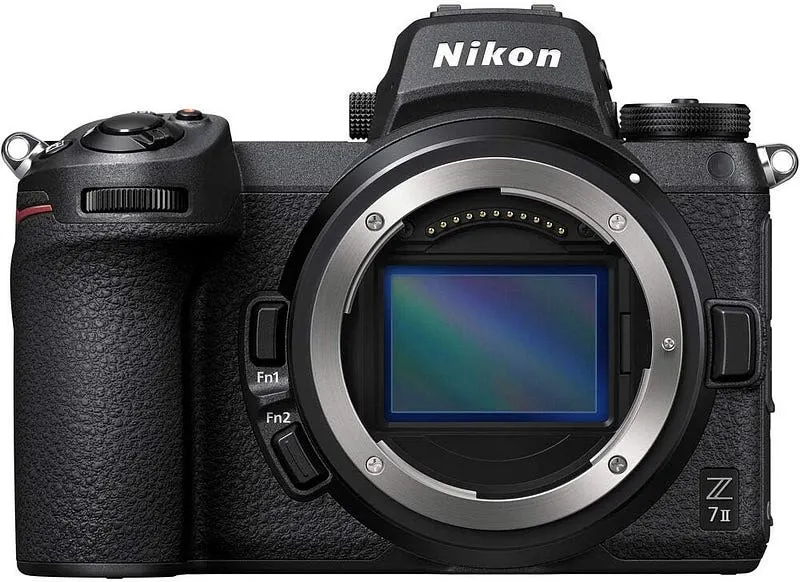
Photography has always been more than just a hobby for me — it’s been a journey of discovery, creativity, and personal expression. When I first unboxed my Nikon Z7 II, I felt like a kid on Christmas morning. This mirrorless marvel promised incredible resolution and professional-grade performance, but I quickly realized that the lens would be the true heart of my photographic experience.
The Beginning of My Lens Quest
I remember standing in my local camera shop, overwhelmed by the array of glass options. The Z7 II’s 45.7-megapixel sensor demanded nothing short of exceptional lenses. Each option was like a potential paintbrush for my visual stories — some precise, some versatile, some specialized.
The Top 5 Lenses for the Nikon Z7 II
- Nikon Z 24–70mm f/2.8 S — View on Amazon
- Nikon Z 14–24mm f/2.8 S — View on Amazon
- Nikon Z 70–200mm f/2.8 VR S — View on Amazon
- Nikon Z 50mm f/1.2 S — View on Amazon
- Nikon Z Macro 105mm f/2.8 VR S — View on Amazon
As an Amazon Associate, I earn from qualifying purchases at no additional cost to you. Thank you for your support!
1. Nikon Z 24–70mm f/2.8 S: The Ultimate Workhorse
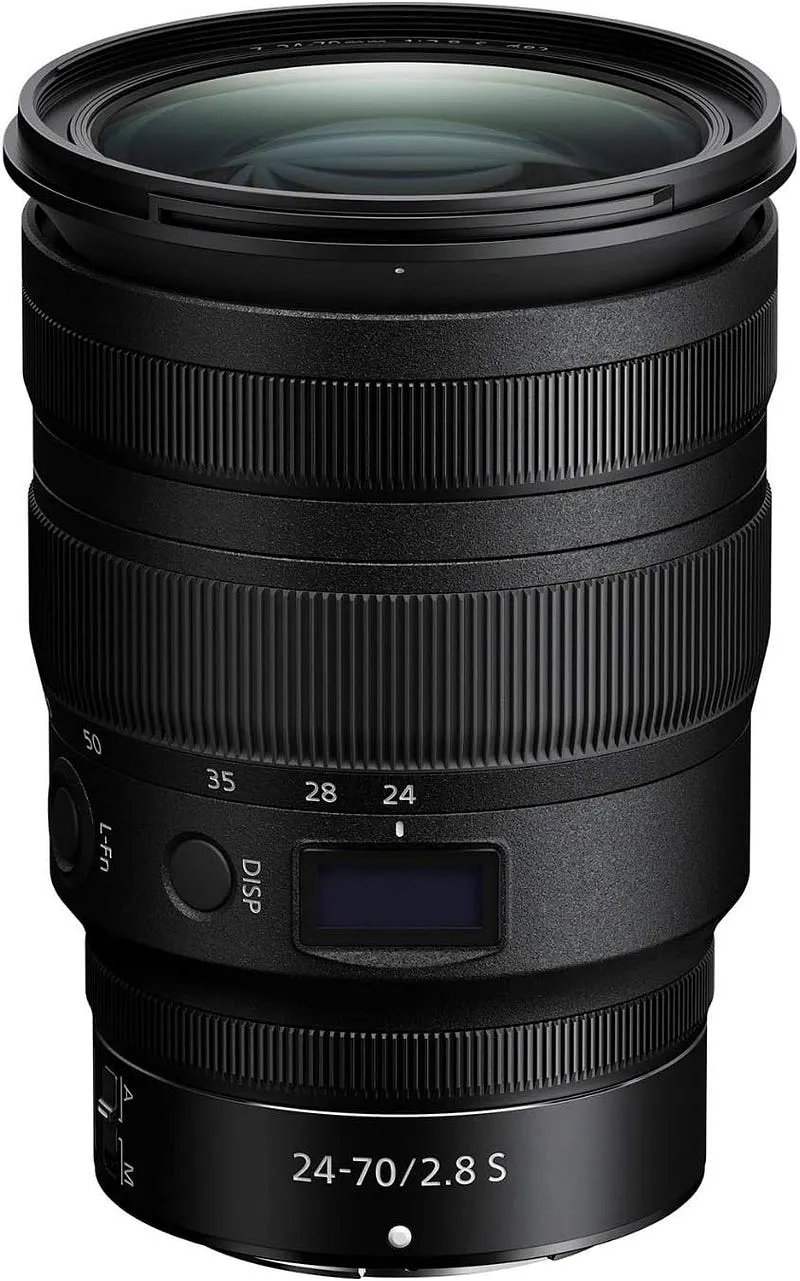
Price: Around $2,300 Best For: Everything from landscapes to portraits
This lens quickly became my go-to companion. Its razor-sharp performance across the zoom range is nothing short of miraculous. The constant f/2.8 aperture means consistent low-light performance, and the build quality screams professional-grade.
Personal Experience: During a sunrise shoot in the Grand Tetons, this lens captured every minute detail — from the morning mist rolling over the mountains to the individual pine needles in the foreground. The color rendition and contrast were breathtaking.
Nikon Z 24–70mm f/2.8 S — View on Amazon
2. Nikon Z 14–24mm f/2.8 S: The Landscape Lover’s Dream
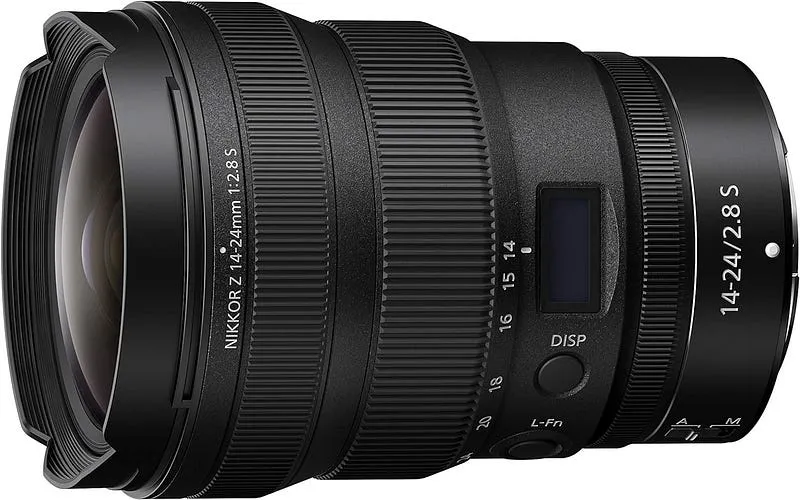
Price: Approximately $2,500 Best For: Landscape and architectural photography
Ultra-wide and incredibly sharp, this lens is a landscape photographer’s ultimate tool. Despite its wide angle, there’s minimal distortion, and the edge-to-edge sharpness is remarkable.
My Story: In Iceland, this lens transformed ordinary scenes into epic narratives. The way it captured the vast, otherworldly landscapes made me feel like I was truly documenting something extraordinary.
Nikon Z 14–24mm f/2.8 S — View on Amazon
3. Nikon Z 70–200mm f/2.8 VR S: The Wildlife and Sports Champion
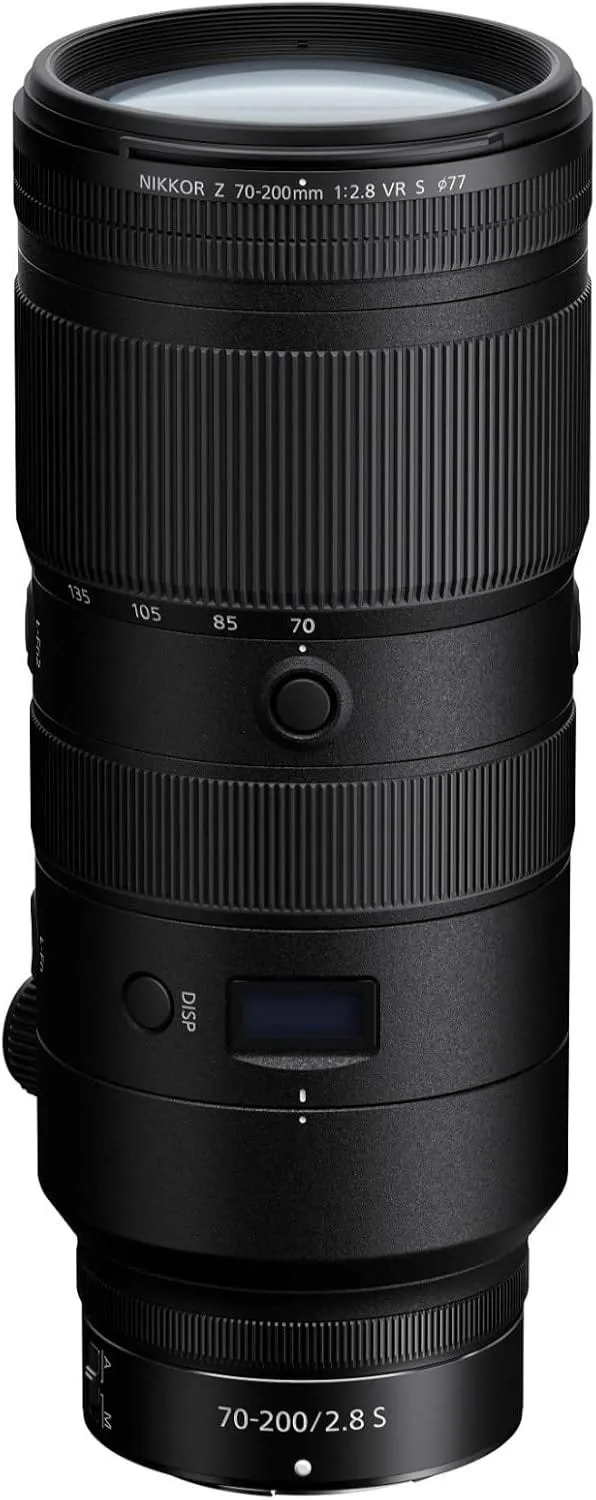
Price: Around $2,600 Best For: Wildlife, sports, and telephoto photography
The professional-grade telephoto zoom that never disappoints. Its vibration reduction is so effective, I’ve captured tack-sharp images in conditions that would make other lenses tremble.
Field Notes: Shooting a local marathon, I was amazed at how this lens tracked runners with incredible precision, maintaining crystal-clear focus even at maximum zoom.
Nikon Z 70–200mm f/2.8 VR S — View on Amazon
4. Nikon Z 50mm f/1.2 S: The Portrait Master
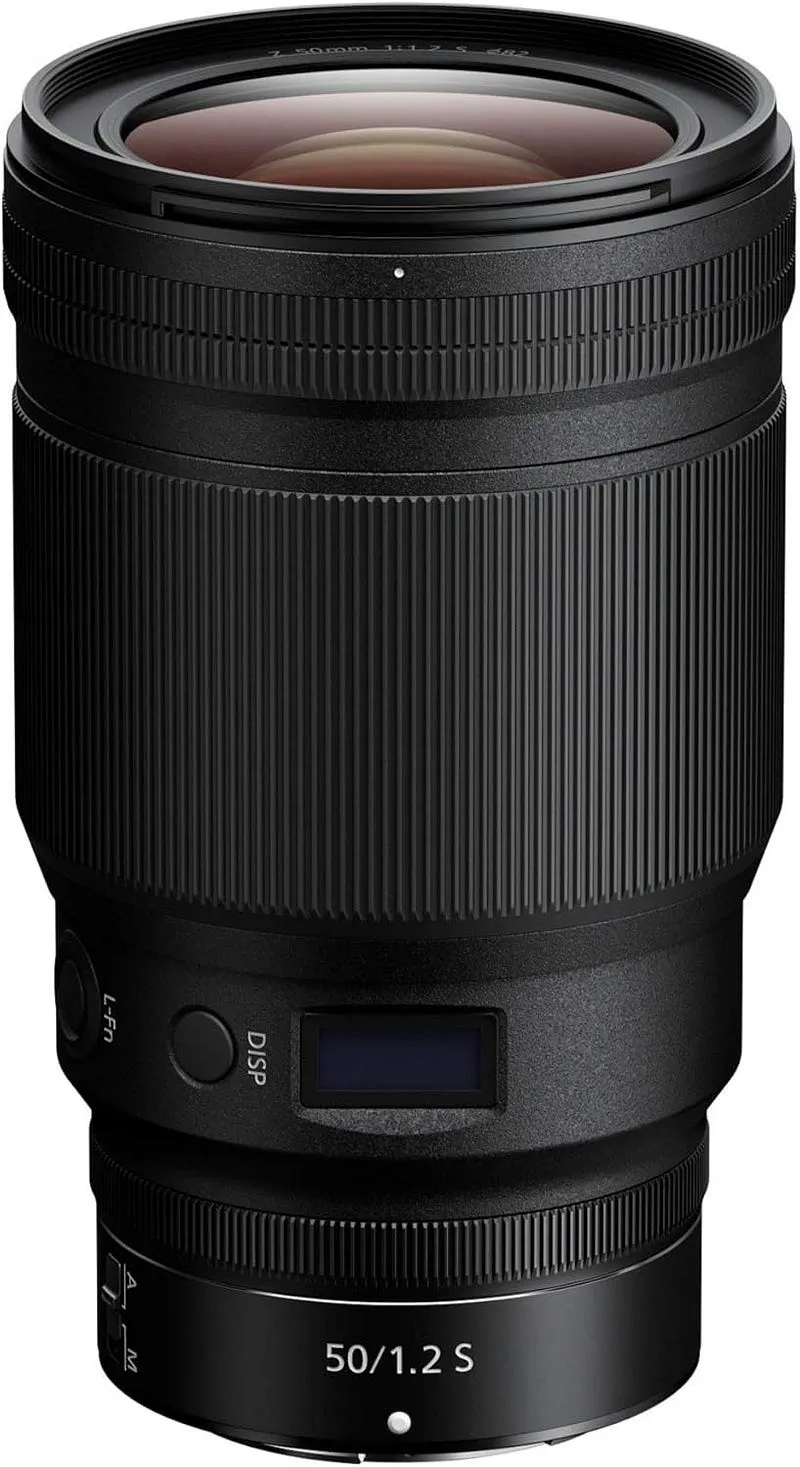
Price: Approximately $2,100 Best For: Portraits and low-light photography
If I could only keep one prime lens, this would be it. The bokeh is so smooth it feels like liquid, and the shallow depth of field creates magical separation between subject and background.
Personal Moment: At a friend’s wedding, this lens transformed simple portraits into emotional storytelling pieces, capturing delicate expressions with stunning clarity.
Nikon Z 50mm f/1.2 S — View on Amazon
5. Nikon Z Macro 105mm f/2.8 VR S: The Detail Discoverer
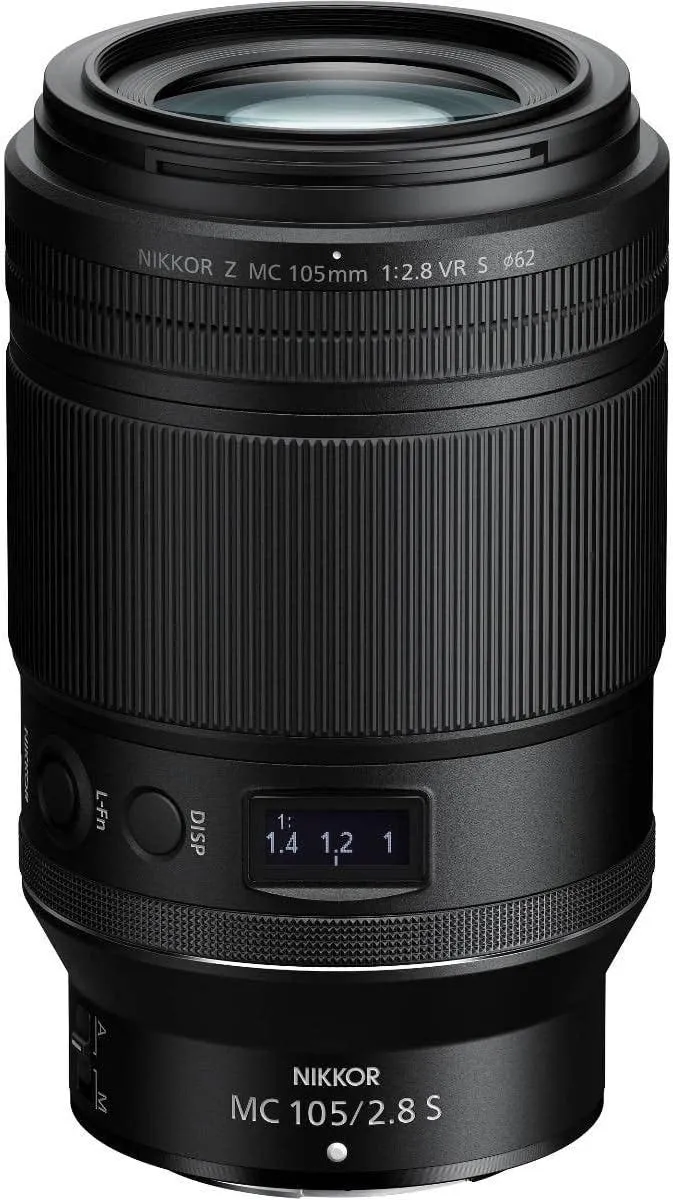
Price: Around $900 Best For: Macro photography, product shots, and close-up work
Not just a macro lens, but a gateway to an entirely new photographic world. The level of detail it reveals is mind-blowing — you’ll see things invisible to the naked eye.
Unexpected Discovery: I initially bought this for product photography but found myself using it to capture intricate details in nature — water droplets, flower stamens, butterfly wings.
Nikon Z Macro 105mm f/2.8 VR S — View on Amazon
Investment vs. Performance
Let’s be real — these lenses are investments. Each costs more than some people’s monthly rent. But with the Z7 II’s exceptional sensor, these lenses aren’t just accessories; they’re professional tools that can potentially generate income.
A Word of Caution
The Z-mount native lenses aren’t cheap, but they’re specifically designed for the Z7 II. While you can use F-mount lenses with an adapter, you’ll get the absolute best performance with native Z-mount glass.
My Final Recommendation
If you’re just starting and can only choose one, go for the 24–70mm f/2.8 S. It’s the most versatile and will handle 80% of photographic situations with exceptional quality.
The Personal Touch
Photography is about more than technical specifications. It’s about the moments you capture, the stories you tell, and the memories you preserve. These lenses are your tools, but your vision is the true magic.
Pro Tip: Rent before you buy. Many camera shops and online services allow lens rentals, which can help you test before making a significant investment.
Equipment Used in this Blog:
- Camera: Nikon Z7 II
- Lenses Discussed:
- Nikon Z 24–70mm f/2.8 S
- Nikon Z 14–24mm f/2.8 S
- Nikon Z 70–200mm f/2.8 VR S
- Nikon Z 50mm f/1.2 S
- Nikon Z Macro 105mm f/2.8 VR S
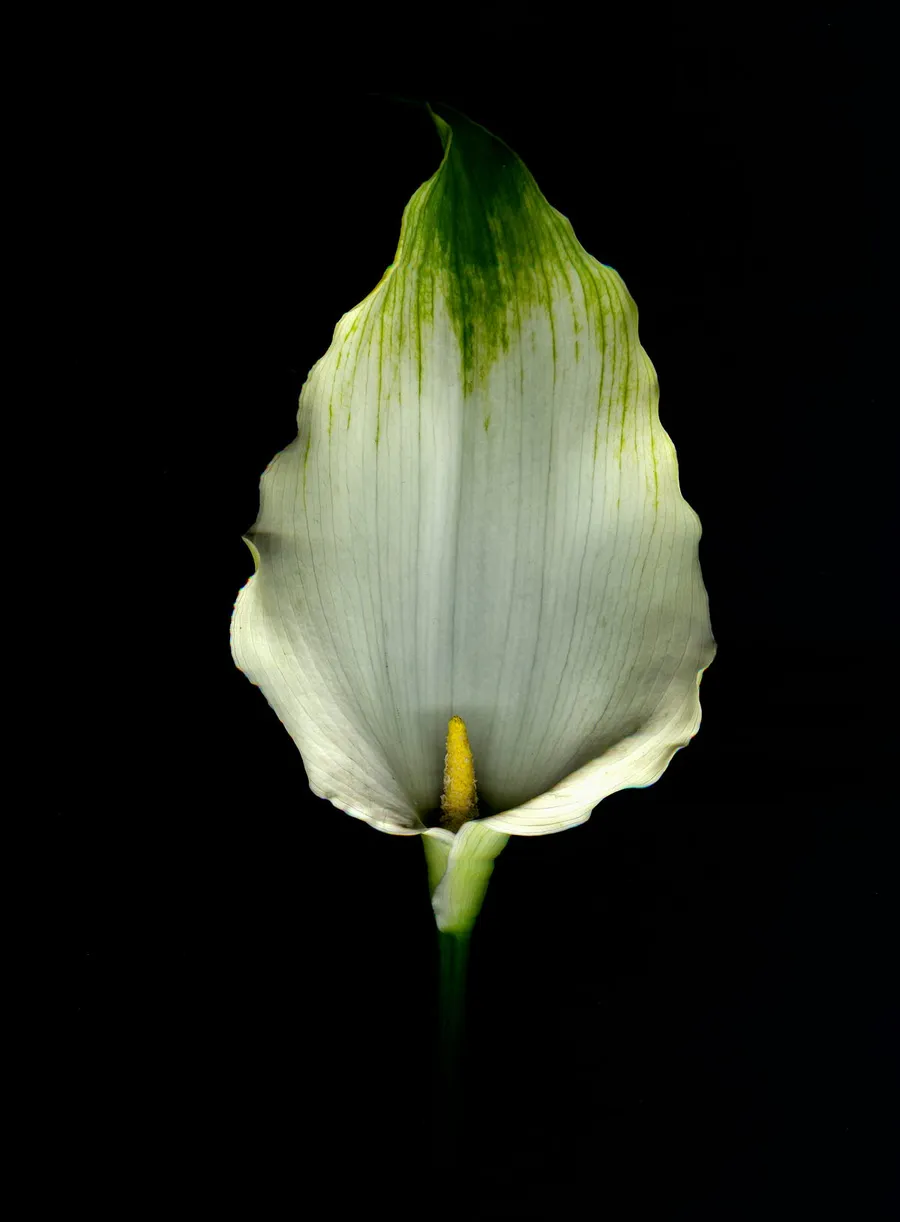
Photo by Lesley Davidson on Unsplash

Photo by Abhinav Srivastava on Unsplash

Photo by Rachel Moss on Unsplash

Photo by Shirley Cairns on Unsplash

Photo by Shirley Cairns on Unsplash

Written by
Marien CartelProfessional and Certified Digital Photographer born in the USA, with 22 years of experience in the field of photography.
Related Guides
Best Lens for Panasonic LUMIX S5: (2026 Guide & Reviews)
Unlocking the Cinematic Soul of the L-Mount System. What the Sigma 24–70mm f/2.8 DG DN gets right, what it does not, and who should buy it.

Best Lens for Wide Shots
The Ultimate Guide to the Best Lens for Wide Shots: Field-Tested Review & Personal Experience

Best Lenses for Interior Photography
Best Lenses for Interior Photography. Here is how the Canon R6 Mark II and Canon EOS R6 Mark II compare, and the one I keep going back to.