Best Lens for Concert Photography
As an Amazon Associate we earn from qualifying purchases. Some links in this guide are affiliate links — see our affiliate disclosure for details.
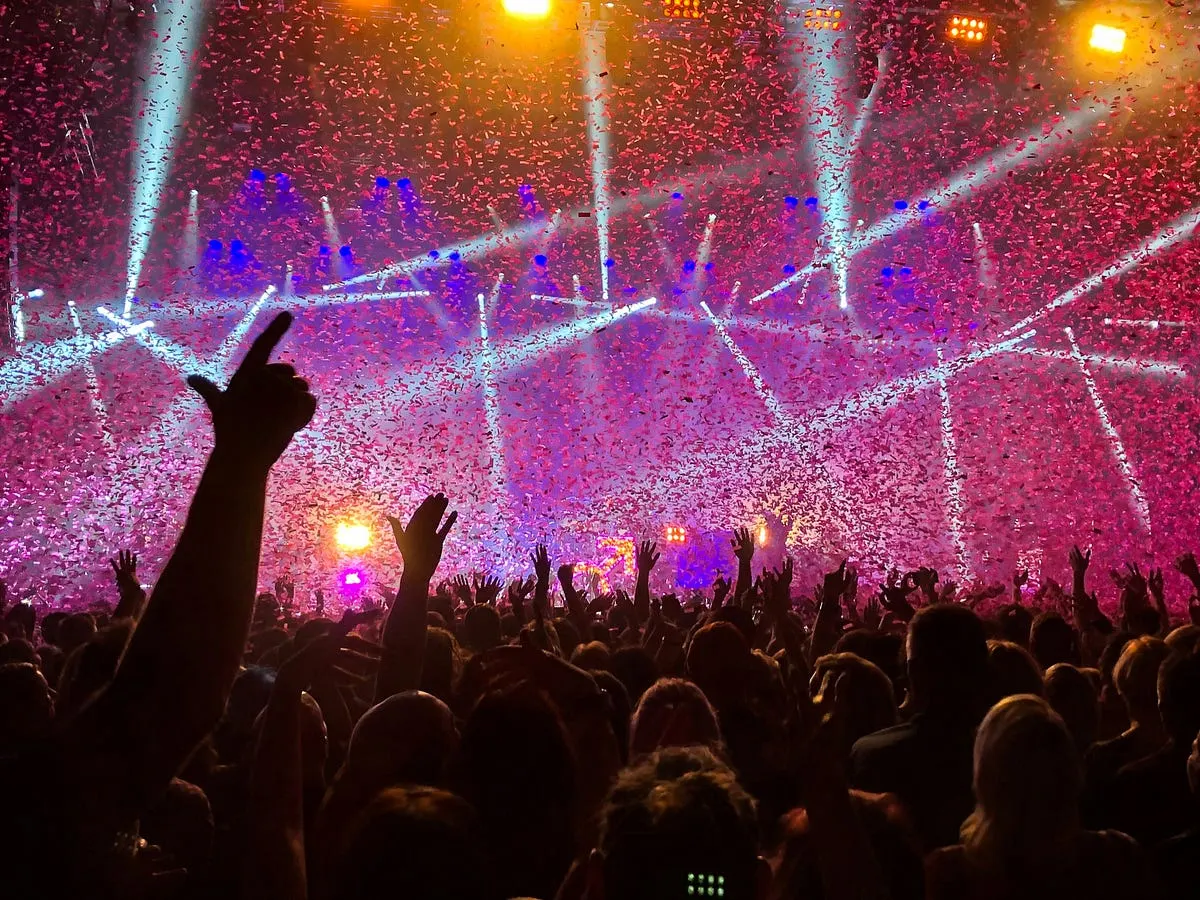
Photo by Roger Harris on Unsplash
The lights dim. A roar erupts from the crowd. The first chord rings out, vibrating through your chest. You raise your camera… and panic. That fleeting moment of the singer silhouetted against the strobes? Gone. The guitarist lost in a solo, sweat flying? A blurry mess. That, my friends, was my reality for far too many concerts. Finding the “best” lens for concert photography wasn’t just about gear; it was a journey of frustration, adaptation, and finally, triumph.
My Early Days: The Struggle Was Real (and Dark!)
Armed with enthusiasm and a kit lens (f/3.5–5.6, bless its slow little heart), I ventured into dimly lit clubs and cavernous venues. My results? Mostly disappointment. Grainy shots (ISO 6400, anyone?), missed focus, and a constant battle against motion blur. I quickly learned the brutal truth: concerts are a crucible for camera gear. Low light, fast movement, unpredictable subjects, and restrictive pit access demand specific tools.
I tried a nifty fifty (50mm f/1.8). It was cheap, fast, and taught me a lot about composition. I got some great intimate portraits of singers leaning into the crowd. But often, I was too close or too far. Framing a full band shot? Impossible from the pit. Getting a tight shot of the drummer? Forget it from the back. It was a great learning lens, but limiting.
The Upgrade & The Revelation: Enter the Workhorse
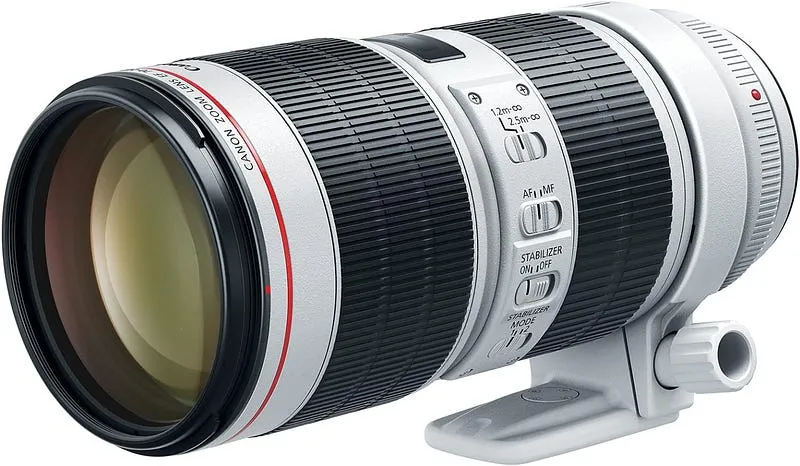
After one too many missed shots and grainy disasters, I invested in my first “pro” lens: a 70–200mm f/2.8. It felt like unlocking cheat codes.
- f/2.8 Magic: This aperture was the game-changer. Suddenly, I could gather so much more light. ISO could stay lower, images were cleaner, and that beautiful background separation (bokeh) started appearing, isolating subjects from chaotic backgrounds.
- Reach: From the pit, I could frame tight headshots of the vocalist or isolate the lead guitarist’s hands flying across the fretboard. From the back or sides, I could capture the entire stage energy.
- Versatility: Zooming from 70mm to 200mm meant adapting quickly to changing moments without physically moving (which is often impossible in a packed pit).
But… It Wasn’t Perfect (Is Anything?)
While the 70–200mm f/2.8 became my primary weapon, I discovered its limitations:
- Size & Weight: Lugging this beast around for hours, especially in cramped spaces, is a workout. Security sometimes eyed it suspiciously (“Is that professional gear?”).
- Minimum Focus Distance: Getting close-up shots of setlists, hands on instruments, or crowd interactions sometimes required switching lenses or physically backing up (not always possible).
- Wide Shots: Capturing the entire spectacle — the crowd, the light show, the full stage — was impossible without swapping lenses.
The Quest for Completeness: Filling the Gaps
The 70–200mm was 80% of my solution, but I needed coverage for the other 20%:
The Wide-Angle Savior (24–70mm f/2.8): This became my secondary lens. Perfect for:
- Capturing the full stage energy and light shows.
- Environmental shots showing the artist with the crowd.
- Tight pit work where even 70mm was too long.
- Dynamic shots from within the crowd itself. Paired with the 70–200mm, I felt unstoppable.
The Stealth Ninja (Fast Primes): For ultra-intimate gigs in tiny bars or when I wanted minimal gear, I’d sometimes revert to primes:
- 35mm f/1.4: Wide enough for context, fast enough for the darkest corners, great for storytelling shots.
- 85mm f/1.8: A lighter, faster alternative to the 70–200mm for tighter portraits when I could get close enough. Beautiful bokeh.
My Verdict: The “Best” Lens Depends, But Start Here
So, what’s the absolute best lens? There isn’t one magic bullet, but based on blood, sweat, and missed shots:
The Undisputed Champion & My #1 Recommendation: 70–200mm f/2.8
- Why: The combination of reach, speed (f/2.8), and versatility is unmatched for capturing the performers from most pit or audience positions. It’s the backbone.
The Essential Partner: 24–70mm f/2.8
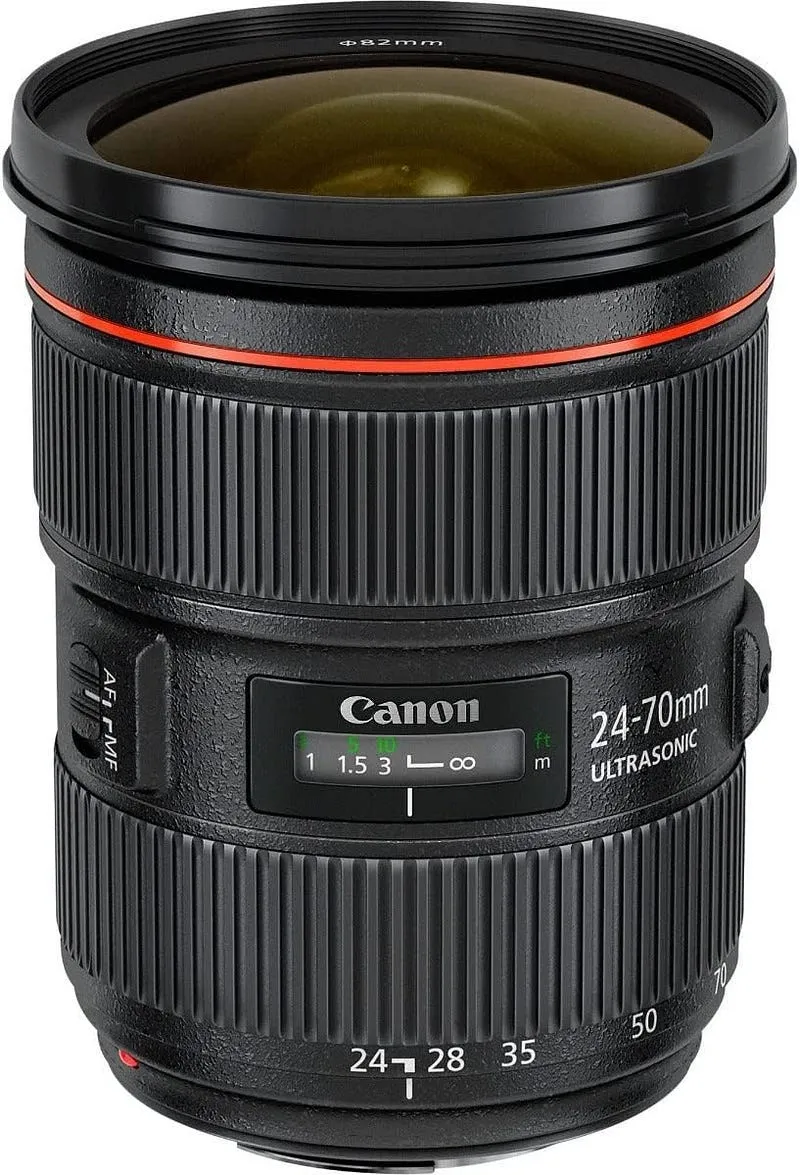
- Why: Covers the wide end you desperately need for atmosphere, full stage shots, and tight spaces. A perfect companion to the 70–200mm. If you can only afford one lens and have decent pit access, this might be the most versatile single option.
The Specialists: Fast Primes (35mm f/1.4, 50mm f/1.4, 85mm f/1.8)
- Why: Smaller, lighter, faster (brighter), often sharper wide open. Perfect for specific shots, low-light extremes, or minimalist gigs. Great secondary lenses or budget-friendly starting points (like the 50mm f/1.8).
Lessons From the Pit (Beyond the Glass):
- f/2.8 is Non-Negotiable: Seriously. f/4 lenses will leave you struggling in most concert lighting. Speed is paramount.
- Know Your Venue: A tiny club demands different lenses than a stadium. Research pit size and shooting positions if possible.
- Practice in the Dark: Learn your camera’s autofocus limits in low light. Back-button focus is a lifesaver.
- Embrace the Grain (a little): Sometimes ISO 6400 and a sharp, well-composed shot is better than no shot at all. Clean it up in post as best you can.
- It’s About the Moment: Gear enables, but your eye captures the emotion. Don’t get so lost in settings you miss the magic.
My Personal Triumph:
I remember one specific show: a legendary punk band in a sweaty basement venue. I was wedged against the stage. My 70–200mm was too big. I pulled out my trusty 35mm f/1.4. The singer dove into the crowd right in front of me, mic cord tangling, crowd surging. I fired off a burst. The shot — slightly grainy, razor-sharp focus on his intense eyes, the chaotic blur of hands and bodies around him — captured the raw energy perfectly. It wasn’t the lens I planned to use, but the right lens for that moment, and knowing my gear inside out made it possible.
The Takeaway:
Start with what you have. Learn its limits. If you’re serious about concert photography, prioritize a fast zoom — the 70–200mm f/2.8 is worth every penny as your cornerstone. Complement it with a 24–70mm f/2.8 as you grow. Embrace the challenge, learn from the blurry disasters, and never stop chasing that perfect shot that freezes a fleeting moment of musical electricity. The best lens is the one that lets you tell the story of the show. Now get out there and shoot!
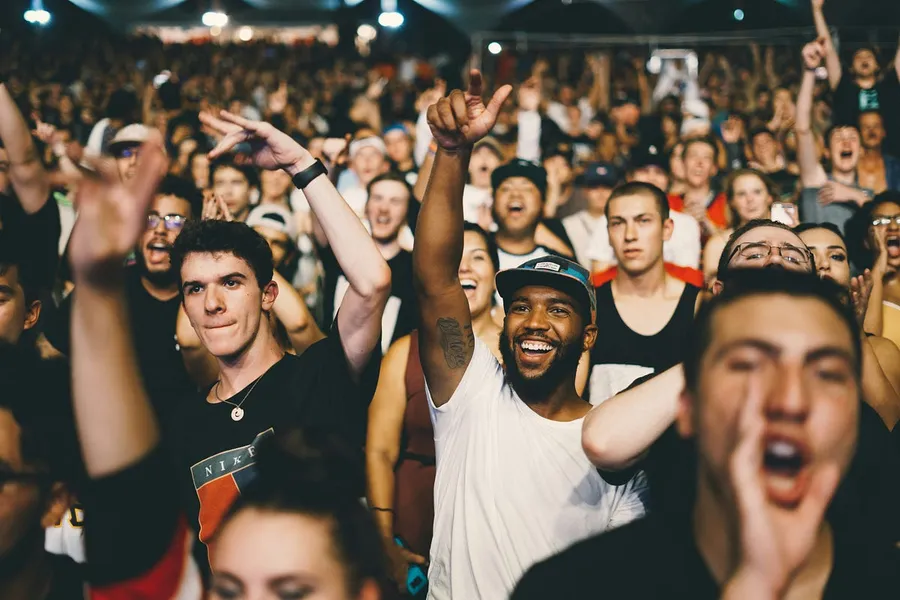
Photo by Nicholas Green on Unsplash
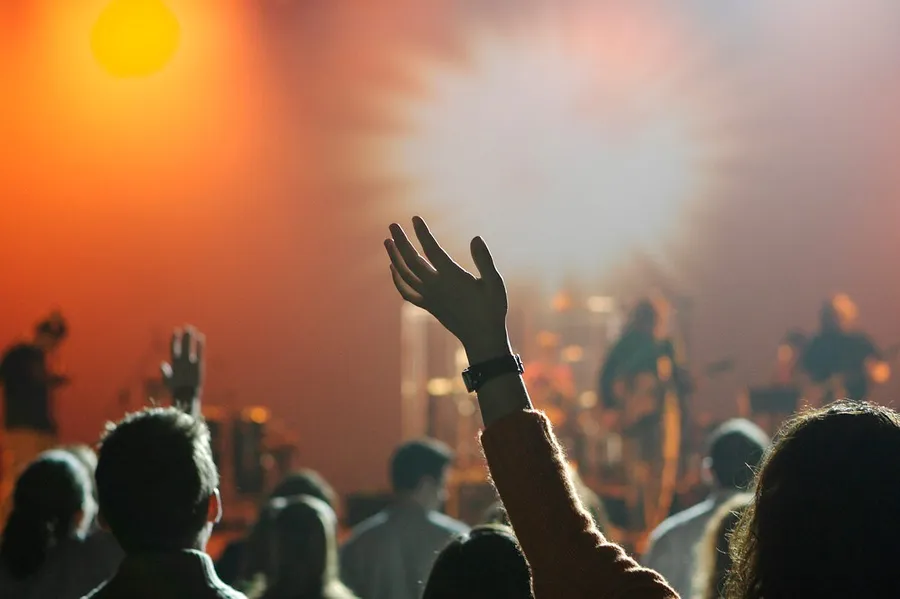
Photo by John Price on Unsplash
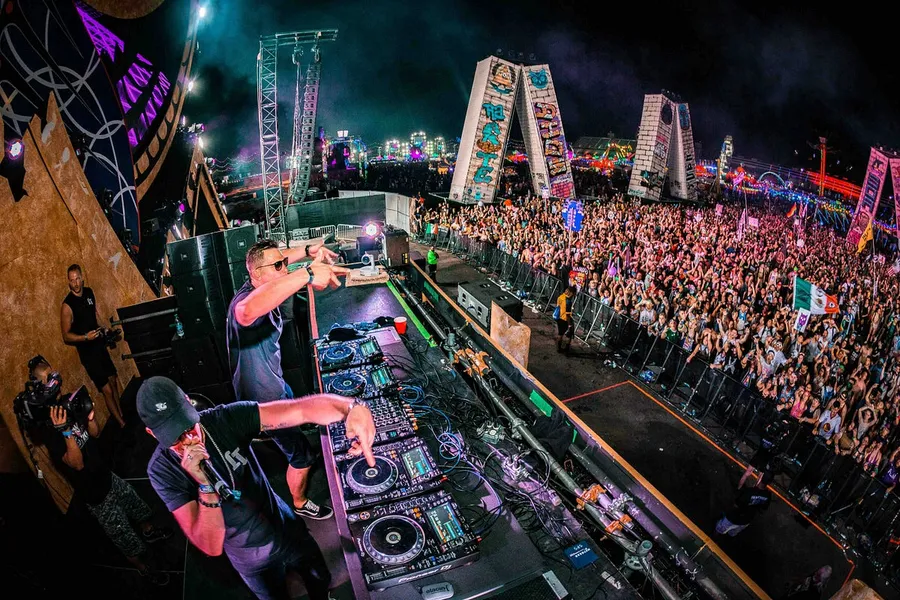
Photo by Matty Adame on Unsplash
Written by
Marien CartelProfessional and Certified Digital Photographer born in the USA, with 22 years of experience in the field of photography.
Related Guides
Best Lens for Panasonic LUMIX S5: (2026 Guide & Reviews)
Unlocking the Cinematic Soul of the L-Mount System. What the Sigma 24–70mm f/2.8 DG DN gets right, what it does not, and who should buy it.
Best Lens for Wide Shots
The Ultimate Guide to the Best Lens for Wide Shots: Field-Tested Review & Personal Experience

Best Lenses for Interior Photography
Best Lenses for Interior Photography. Here is how the Canon R6 Mark II and Canon EOS R6 Mark II compare, and the one I keep going back to.