Best L-Mount Lenses
As an Amazon Associate we earn from qualifying purchases. Some links in this guide are affiliate links — see our affiliate disclosure for details.
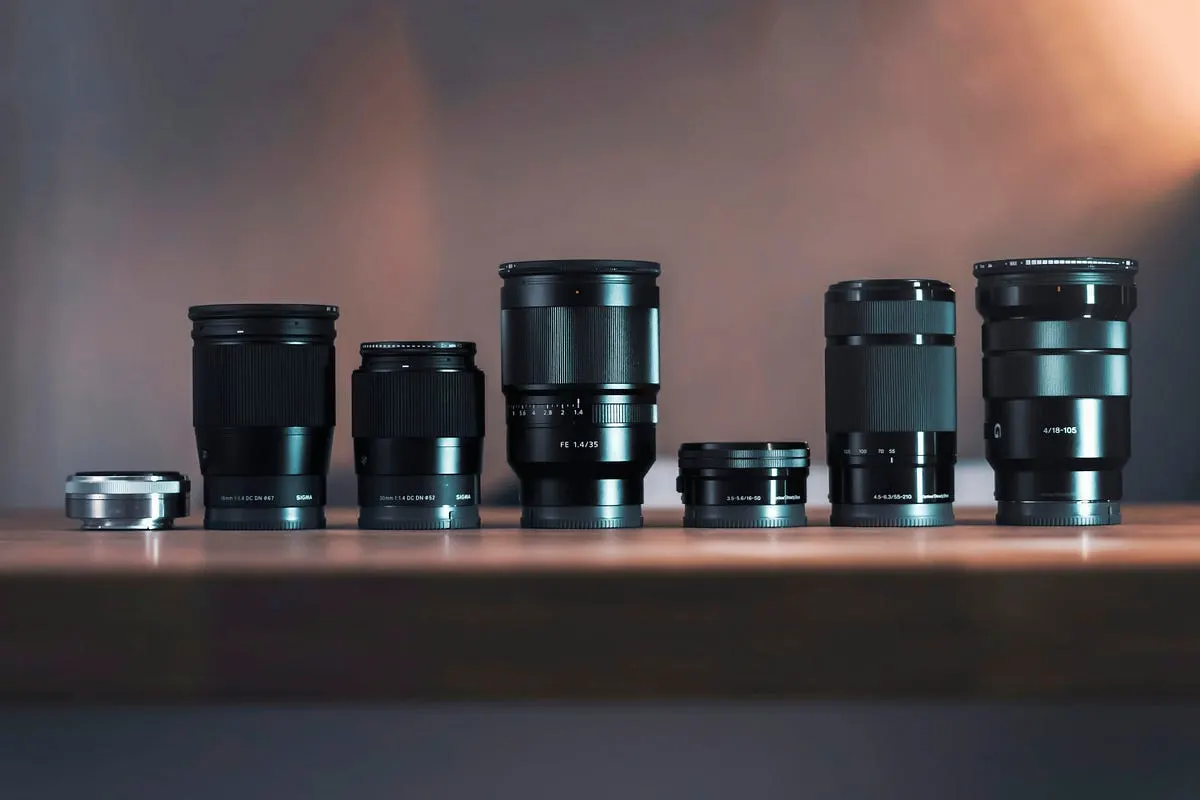
Photo by lucas Favre on Unsplash
For L-mount lenses suitable for both video and photography, the Lumix S 24–60mm f/2.8 is a versatile and popular choice. Other excellent options include the Sigma 24–70mm f/2.8 DG DN II Art and the Panasonic Lumix S 24–105mm f/4 . For specific needs, consider the Sigma 85mm f/1.4 DG DN for portraits and the Sigma 70–200mm f/2.8 DG OS HSM Sports for telephoto work.
The L-Mount Alliance, comprising Leica, Panasonic, and Sigma, along with newer partners like Astrodesign, Blackmagic Design, DJI, and Samyang, has truly blossomed into a robust ecosystem for photographers and videographers alike. What I love about it is the diversity in lens philosophies — from Leica’s premium, meticulously crafted primes to Sigma’s excellent value and broad range, and Panasonic’s focus on mainstream yet high-performing options. It means there’s truly something for everyone, no matter their budget or photographic style.
When it comes to picking the “best” L-Mount lenses, it really boils down to your individual needs and how you shoot. Here’s my take, with a personal touch based on what I prioritize in my own photography journey:
My Philosophy: Versatility, Value, and a Touch of Excellence
I tend to be a hybrid shooter, dabbling in both stills and video, and I appreciate gear that can adapt to different situations without breaking the bank or my back. While I admire Leica’s legendary glass, the price point often steers me towards the excellent offerings from Sigma and Panasonic, which often deliver incredibly close performance for a fraction of the cost.
My Top L-Mount Lens Recommendations (with my personal spin):
- The Everyday Workhorse Zoom: Sigma 24–70mm F2.8 DG DN Art
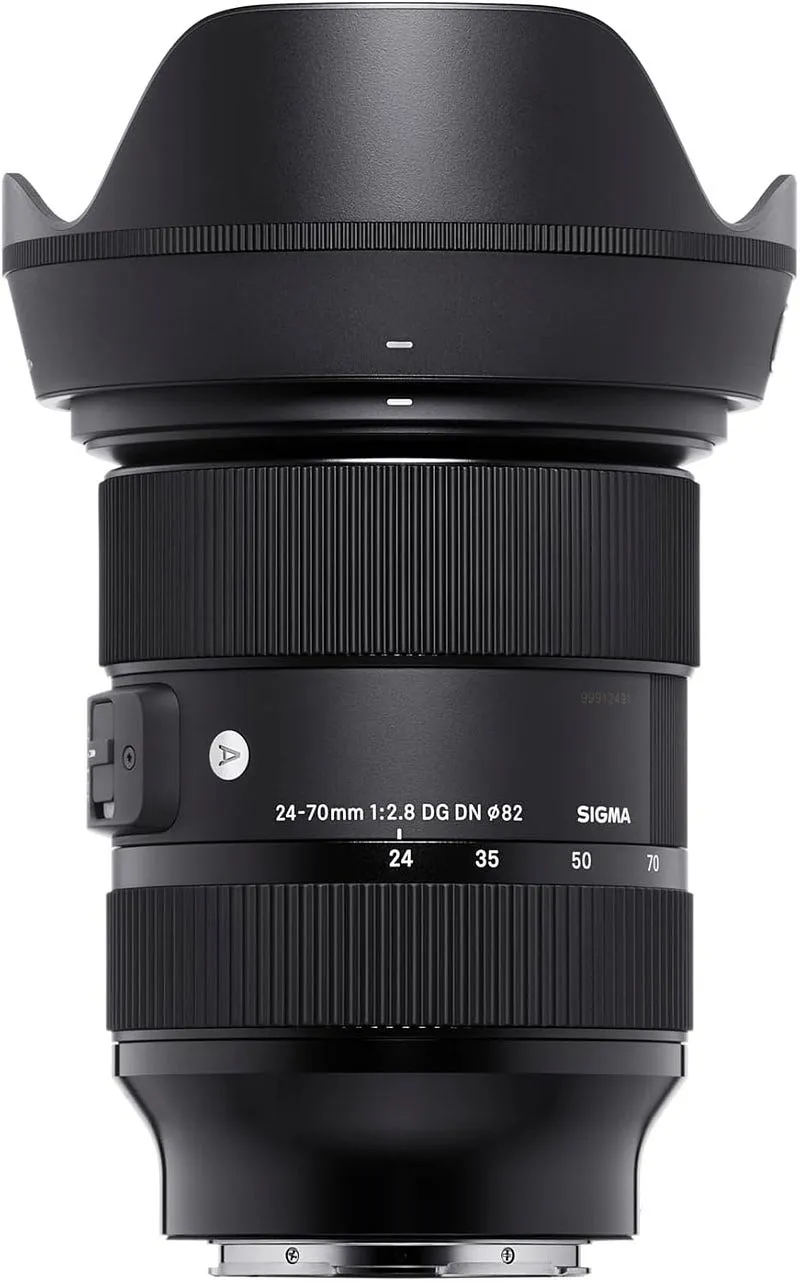
Why I love it: If I could only have one lens, this would be it. The 24–70mm focal range is incredibly versatile for everything from wide-angle landscapes to portraits and general street photography. The constant f/2.8 aperture is a game-changer for low-light shooting and achieving beautiful background blur.
Sigma’s Art series lenses are renowned for their optical quality, and this one is no exception. It’s sharp, has great color rendition, and handles aberrations well. The recently released Mark II version is even more compact and boasts faster autofocus, which is a huge plus for hybrid shooters like me. It’s a fantastic balance of performance and value compared to its Panasonic or Leica equivalents.
2. The Portable Wide-Angle Zoom: Sigma 16–28mm F2.8 DG DN Contemporary
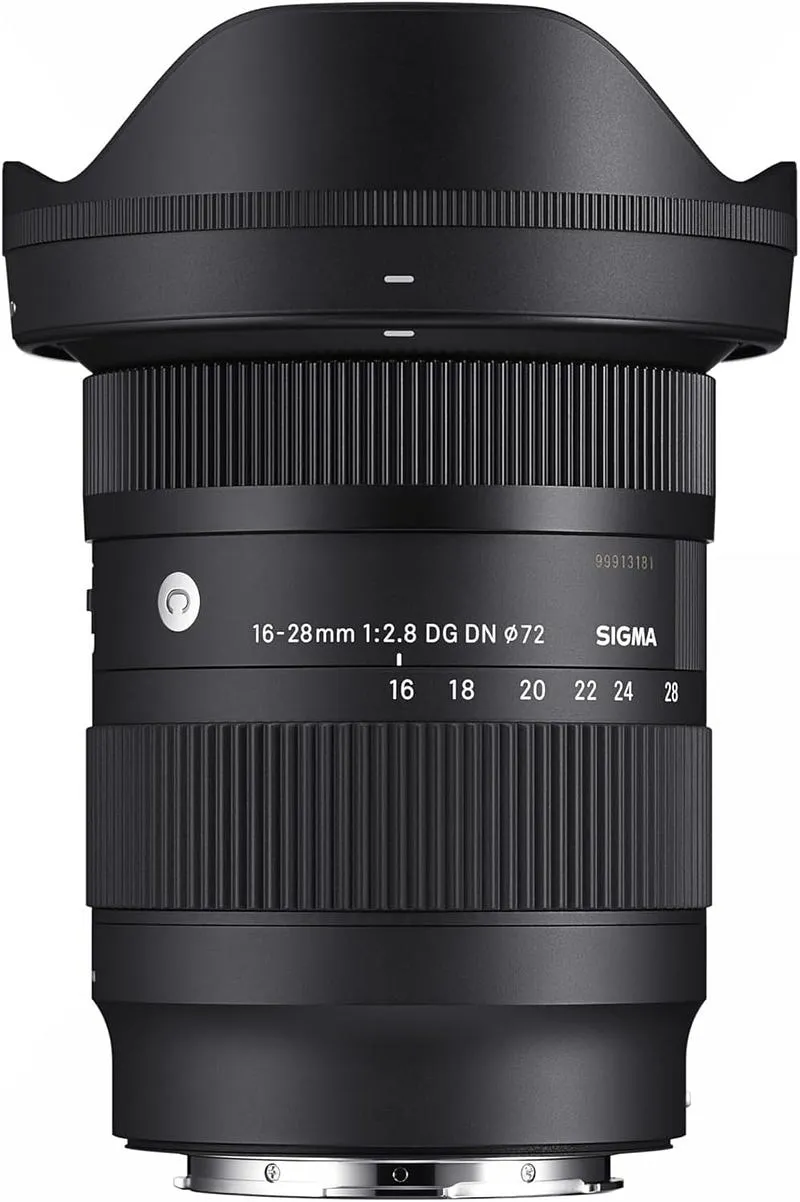
Why I love it: When I want something wide but still lightweight for travel or exploring cities, this lens is a winner. The 16–28mm range covers vast landscapes, architecture, and even some environmental portraits. The f/2.8 aperture is consistent throughout, making it versatile in varying light conditions.
The “Contemporary” line from Sigma strikes an amazing balance between portability and optical quality. It’s significantly lighter and often more affordable than the Art series wide-angle zooms, making it perfect for those who want to keep their kit light without sacrificing too much performance.
3. The Creamy Prime for Portraits: Panasonic Lumix S 85mm F1.8
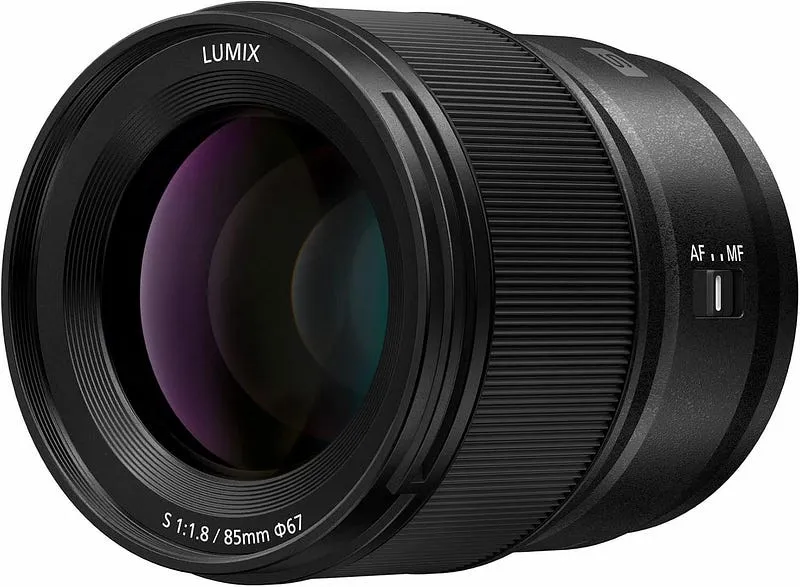
Why I love it: Every photographer needs a good portrait lens, and the Panasonic 85mm f/1.8 is an absolute gem. It’s relatively compact and lightweight, which is fantastic.
The f/1.8 aperture delivers gorgeous, buttery smooth bokeh that makes your subject pop. It’s incredibly sharp, and the autofocus is fast and reliable. While Sigma offers an excellent 85mm f/1.4 Art, the Panasonic f/1.8 is a much more affordable and portable option that still produces stunning results, making it my preferred choice for on-the-go portrait sessions.
4. The Versatile Travel Companion: Panasonic Lumix S 28–200mm F4–7.1 Macro O.I.S.
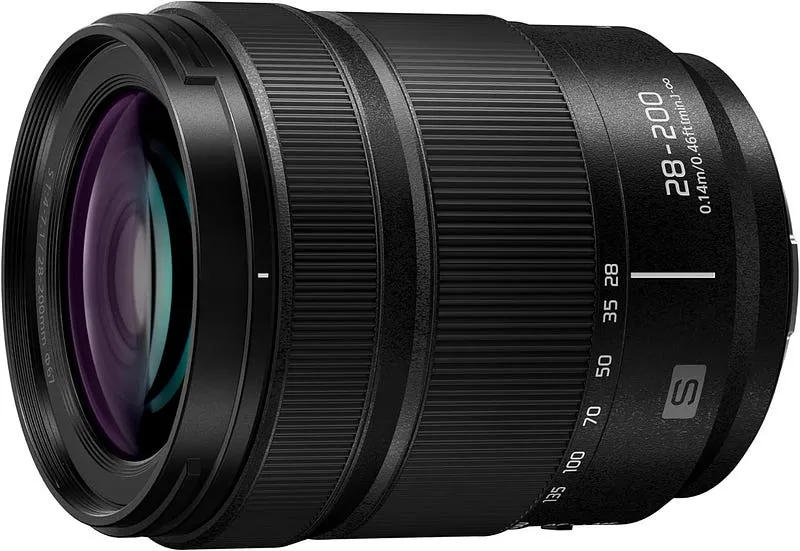
Why I love it: This lens is relatively new to the L-Mount family and has quickly become a contender for a truly “all-in-one” travel lens. The sheer range it covers means I can leave other lenses behind, making my travel kit incredibly light.
While the variable aperture isn’t ideal for low light, the Optical Image Stabilization (O.I.S.) helps a lot, especially at the telephoto end. The macro capabilities are a bonus for capturing close-up details during my adventures. For those days when I want to pack light and be ready for anything, this lens is a fantastic choice.
5. For the Low-Light & Creative Shot: Sigma 35mm F1.4 DG DN Art
Why I love it: Sometimes, you just need that fast prime for beautiful light gathering and subject separation. The 35mm focal length is incredibly versatile for street photography, environmental portraits, and even some subtle wide-angle work.
Sigma’s Art primes are legendary for their sharpness and character, and the 35mm f/1.4 is no exception. While I lean towards zooms for general use, a fast 35mm is a must-have for those specific creative endeavors where shallow depth of field and low-light performance are paramount.
My Personal Considerations When Choosing:
- Focus Breathing (for video): This is a big one for me as a hybrid shooter. While Sigma has made strides, Panasonic lenses often have a slight edge in minimizing focus breathing, which is crucial for professional-looking video. It’s something I pay close attention to in reviews.
- Size and Weight: As much as I love image quality, a heavy lens can deter me from bringing it along. I appreciate lenses that strike a good balance between optical performance and portability.
- Build Quality & Weather Sealing: Living in a region with unpredictable weather, lenses with good weather sealing offer peace of mind and allow me to shoot in various conditions.
- Value for Money: While I appreciate top-tier performance, I’m always looking for the sweet spot where performance meets an accessible price. Sigma often excels here.
The L-Mount system continues to grow, offering more and more excellent choices. My advice to anyone looking to build their L-Mount kit would be to first consider their primary shooting style and priorities, then dive into the fantastic options from Leica, Panasonic, and Sigma. You’re sure to find a lens that perfectly complements your vision.
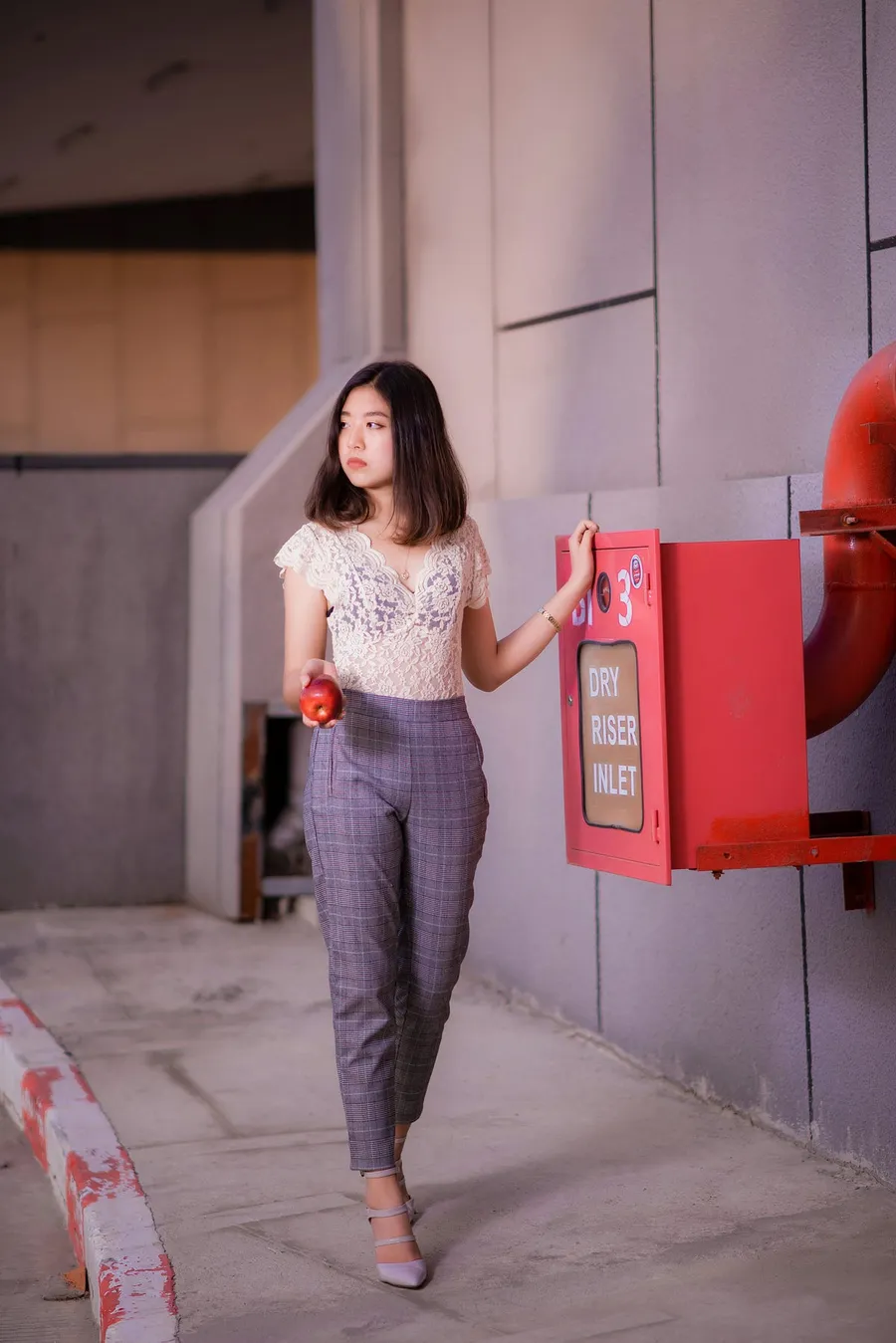
Photo by Aung Khant Maung on Unsplash

Photo by Amir Taheri on Unsplash

Photo by Sarah Rodriguez on Unsplash
Written by
Marien CartelProfessional and Certified Digital Photographer born in the USA, with 22 years of experience in the field of photography.
Related Guides
Best Lens for Panasonic LUMIX S5: (2026 Guide & Reviews)
Unlocking the Cinematic Soul of the L-Mount System. What the Sigma 24–70mm f/2.8 DG DN gets right, what it does not, and who should buy it.

Best Lens for Wide Shots
The Ultimate Guide to the Best Lens for Wide Shots: Field-Tested Review & Personal Experience
Best Lenses for Interior Photography
Best Lenses for Interior Photography. Here is how the Canon R6 Mark II and Canon EOS R6 Mark II compare, and the one I keep going back to.