Best Canon Lenses for Sports

As an Amazon Associate we earn from qualifying purchases. Some links in this guide are affiliate links — see our affiliate disclosure for details.
Photo by Ruben Leija on Unsplash
Sports photography. The thrill of capturing peak moments, the intensity etched on athletes’ faces, the sheer speed of it all — it’s a world that has captivated me for years. My journey into this exciting field wouldn’t have been the same without Canon, a brand synonymous with quality and performance, and their incredible range of lenses designed to freeze motion and tell compelling stories.
4 Best Canon Lenses for Sports
- Canon EF 70–200mm f/2.8L IS III USM — View on Amazon
- Canon EF 85mm f/1.4L IS USM — View on Amazon
- Canon EF 400mm f/2.8L IS III USM — View on Amazon
- Canon EF-S 55–250mm f/4–5.6 IS STM — View on Amazon
Let me take you back to where it all began. Like many, my initial foray into photography was casual. Armed with a basic Canon DSLR and a kit lens, I started shooting local school sports events — mostly my nephew’s football games. The results were… well, let’s just say they were more about documenting than truly capturing the dynamism of the sport. Blurry action shots and poorly framed subjects were the norm. It was clear: if I wanted to get serious about sports photography, I needed to upgrade my gear, and specifically, my lenses.
Over the years, I’ve experimented with various Canon lenses, each one opening up new possibilities and pushing my creative boundaries. Here are some of the lenses that have become indispensable in my sports photography toolkit, and why they deserve a spot in yours:
- The Versatile All-Rounder: Canon EF 70–200mm f/2.8L IS III USM
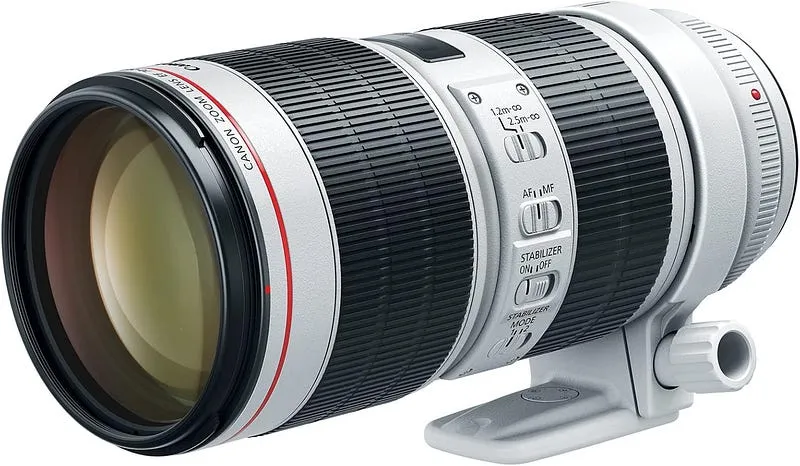
This lens is a legend for a reason. It was the first serious sports lens I invested in, and it was a game-changer. The EF 70–200mm f/2.8L IS III USM is known for its:
- Exceptional Image Quality: Razor-sharp images, beautiful bokeh (background blur), and incredible clarity even in challenging lighting conditions. The “L” designation signifies Canon’s luxury professional lenses, and the image quality truly reflects that.
- Fast f/2.8 Aperture: This wide aperture is crucial for sports. It allows for fast shutter speeds to freeze action and creates that desirable shallow depth of field, making your subject pop against a blurred background. Shooting under the stadium lights? This lens thrives.
- Versatile Zoom Range: 70–200mm is incredibly versatile. It’s wide enough for group shots and close-quarters action, and zooms in tight for those crucial close-ups of athletes. From track and field to basketball, this lens handles a wide range of sports.
- Image Stabilization (IS): Canon’s Image Stabilization is incredibly effective, allowing you to shoot handheld at slower shutter speeds when needed, particularly useful in lower light or for panning shots.
- Robust Build Quality: Weather-sealed and built like a tank, this lens can withstand the rigors of sideline shooting, dust, and even light rain.
For me, the 70–200mm f/2.8L IS III USM was my workhorse lens for years. It covered so many bases and consistently delivered stunning results. It’s an investment, yes, but one that pays off in spades in terms of image quality and versatility.
Canon EF 70–200mm f/2.8L IS III USM — View on Amazon
2. The Low-Light Champion: Canon EF 85mm f/1.4L IS USM
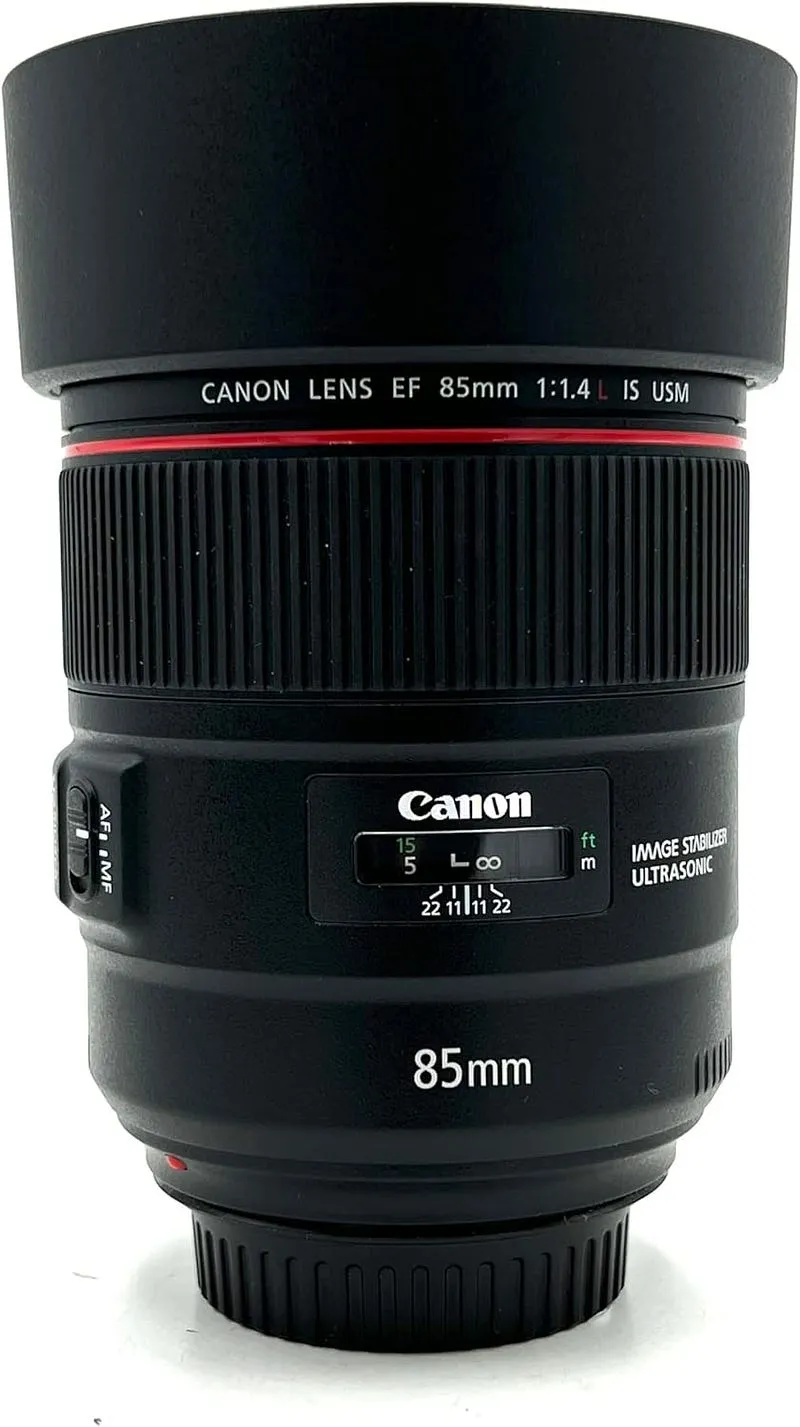
While zoom lenses are essential, prime lenses have their own magic, especially in specific situations. The Canon EF 85mm f/1.4L IS USM became my go-to lens for indoor sports and portrait-style sports shots. Its strengths include:
- Ultra-Wide f/1.4 Aperture: This lens is a low-light monster. The f/1.4 aperture lets in an incredible amount of light, allowing you to shoot in dimly lit gyms or arenas without cranking up the ISO to noisy levels.
- Stunning Bokeh: The shallow depth of field at f/1.4 is simply breathtaking. It isolates your subject beautifully, creating a dreamy, artistic look that’s perfect for capturing emotion and intensity.
- Sharpness and Clarity: Like other L-series lenses, the 85mm f/1.4L IS USM is incredibly sharp, even wide open. Details are rendered with exceptional clarity.
- Image Stabilization (IS): The inclusion of IS in such a fast prime lens is a huge bonus, further enhancing its low-light capabilities and handheld shooting stability.
- Ideal Focal Length for Portraits: 85mm is a classic focal length for portraits, making this lens perfect for capturing athlete portraits before or after games, or for isolating individual players during less action-packed moments.
I remember using the 85mm f/1.4L IS USM for a high school basketball tournament. The gym lighting was terrible, but this lens allowed me to capture crisp, clean images with beautiful background separation, even at high ISOs. It truly excelled where my zoom lens struggled.
Canon EF 85mm f/1.4L IS USM — View on Amazon
3. The Reach Expert: Canon EF 400mm f/2.8L IS III USM (or similar telephoto)
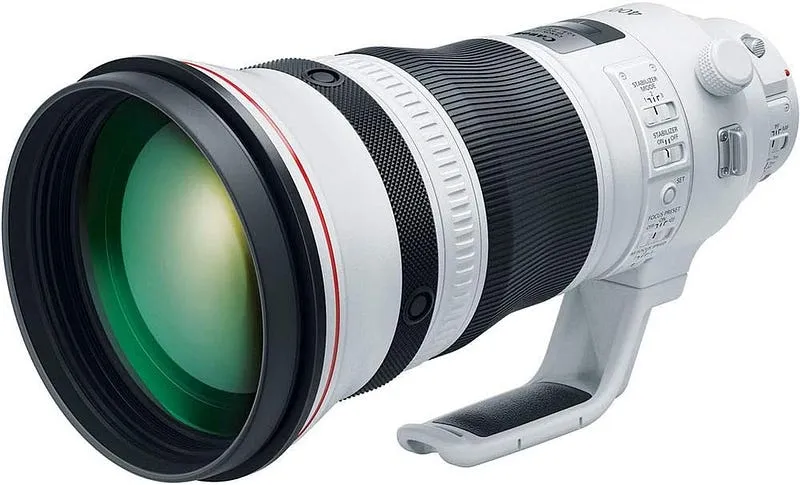
For outdoor sports where you need to reach distant subjects, like baseball, soccer, or track and field events, a super-telephoto lens is essential. While the Canon EF 400mm f/2.8L IS III USM is a top-of-the-line (and very expensive) option, lenses in the 300mm to 600mm range are worth considering, depending on your budget and needs. Key features of long telephoto lenses for sports include:
- Extreme Reach: These lenses bring distant action up close, allowing you to fill the frame with your subject from the sidelines. Capturing that game-winning home run or the crucial moment in a soccer match becomes possible.
- Fast Aperture (often f/2.8 or f/4): Even with long focal lengths, many telephoto lenses offer fast apertures, crucial for maintaining fast shutter speeds and background blur.
- Exceptional Image Quality (L-series): Canon’s L-series telephotos are renowned for their optical excellence, delivering incredible sharpness and detail even at long distances.
- Advanced Image Stabilization (IS): Effective image stabilization is paramount at long focal lengths, helping to minimize camera shake and ensure sharp images, especially when shooting handheld.
- Specialized Features: Many telephoto lenses include features like focus presets, panning modes, and robust weather sealing, all designed to enhance performance in demanding sports shooting scenarios.
While the 400mm f/2.8L IS III USM might be a dream lens for many, there are more affordable options like the Canon EF 100–400mm f/4.5–5.6L IS II USM or the Canon EF 300mm f/4L IS USM, which offer excellent reach and image quality at a lower price point. My personal experience with longer lenses has been transformative, allowing me to capture dynamic shots from across the field that were simply impossible before.
Canon EF 400mm f/2.8L IS III USM — View on Amazon
4. The Compact and Affordable Zoom: Canon EF-S 55–250mm f/4–5.6 IS STM
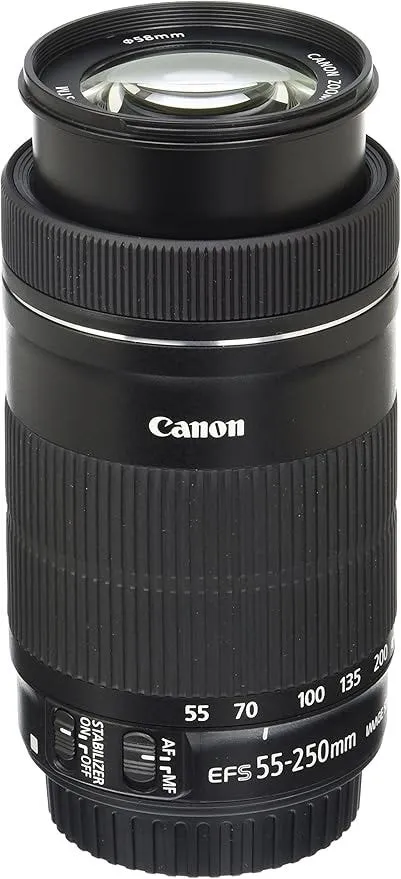
If you’re just starting out or on a tighter budget, the Canon EF-S 55–250mm f/4–5.6 IS STM is a fantastic entry-level telephoto zoom lens. While it doesn’t have the pro-level features of the L-series lenses, it offers:
- Affordable Price: This lens is incredibly budget-friendly, making it accessible to beginners and hobbyists.
- Decent Zoom Range: 55–250mm provides a useful zoom range for many sports, especially when you can get relatively close to the action.
- Image Stabilization (IS): Image Stabilization helps to reduce blur from camera shake, improving sharpness, especially at longer focal lengths.
- STM Stepping Motor: The STM motor provides smooth and quiet autofocus, which is beneficial for video recording and general shooting.
- Compact and Lightweight: This lens is significantly smaller and lighter than the L-series zooms, making it easier to carry around and handle for extended periods.
While I’ve moved on to higher-end lenses, I often recommend the EF-S 55–250mm f/4–5.6 IS STM to aspiring sports photographers. It’s a great way to learn the basics of sports photography without breaking the bank, and it can still produce impressive results in good lighting conditions.
Canon EF-S 55–250mm f/4–5.6 IS STM — View on Amazon
Choosing Your Weapon: Factors to Consider
Selecting the “best” lens ultimately depends on your specific needs, budget, and the types of sports you shoot most often. Here are some key factors to consider:
- Budget: Lenses range from a few hundred dollars to tens of thousands. Start with what you can afford and upgrade as your needs and budget grow.
- Types of Sports: Outdoor sports generally require longer focal lengths, while indoor sports may benefit more from wider apertures for low light.
- Shooting Style: Do you prefer to be close to the action or shoot from the sidelines? This will influence your focal length requirements.
- Lighting Conditions: If you frequently shoot in low light, prioritize lenses with wider apertures (f/2.8 or faster).
- Portability: Consider the size and weight of the lens, especially if you’ll be carrying it around for extended periods.
My journey with Canon sports lenses is far from over. Photography is a continuous learning process, and there are always new techniques to master and new lenses to explore. I’m currently eyeing the Canon RF 100–500mm f/4.5–7.1L IS USM for its incredible reach and versatility on Canon’s mirrorless R-series cameras. The chase for that perfect shot never ends, and with Canon’s exceptional lenses by my side, I’m excited to see where the next chapter of my sports photography adventure takes me.
If you’re passionate about capturing the energy and excitement of sports, investing in quality Canon lenses is a step you won’t regret. Start with a versatile option like the 70–200mm f/2.8, explore the magic of primes like the 85mm f/1.4, and consider longer telephotos as your needs evolve. The world of sports photography is dynamic and rewarding, and with the right gear, you can freeze those fleeting moments of athletic brilliance and share them with the world.


Written by
Marien CartelProfessional and Certified Digital Photographer born in the USA, with 22 years of experience in the field of photography.
Related Guides

Best Lens for Panasonic LUMIX S5: (2026 Guide & Reviews)
Unlocking the Cinematic Soul of the L-Mount System. What the Sigma 24–70mm f/2.8 DG DN gets right, what it does not, and who should buy it.

Best Lens for Wide Shots
The Ultimate Guide to the Best Lens for Wide Shots: Field-Tested Review & Personal Experience

Best Lenses for Interior Photography
Best Lenses for Interior Photography. Here is how the Canon R6 Mark II and Canon EOS R6 Mark II compare, and the one I keep going back to.