Best Budget Wide Angle Lens for Sony Full Frame
As an Amazon Associate we earn from qualifying purchases. Some links in this guide are affiliate links — see our affiliate disclosure for details.
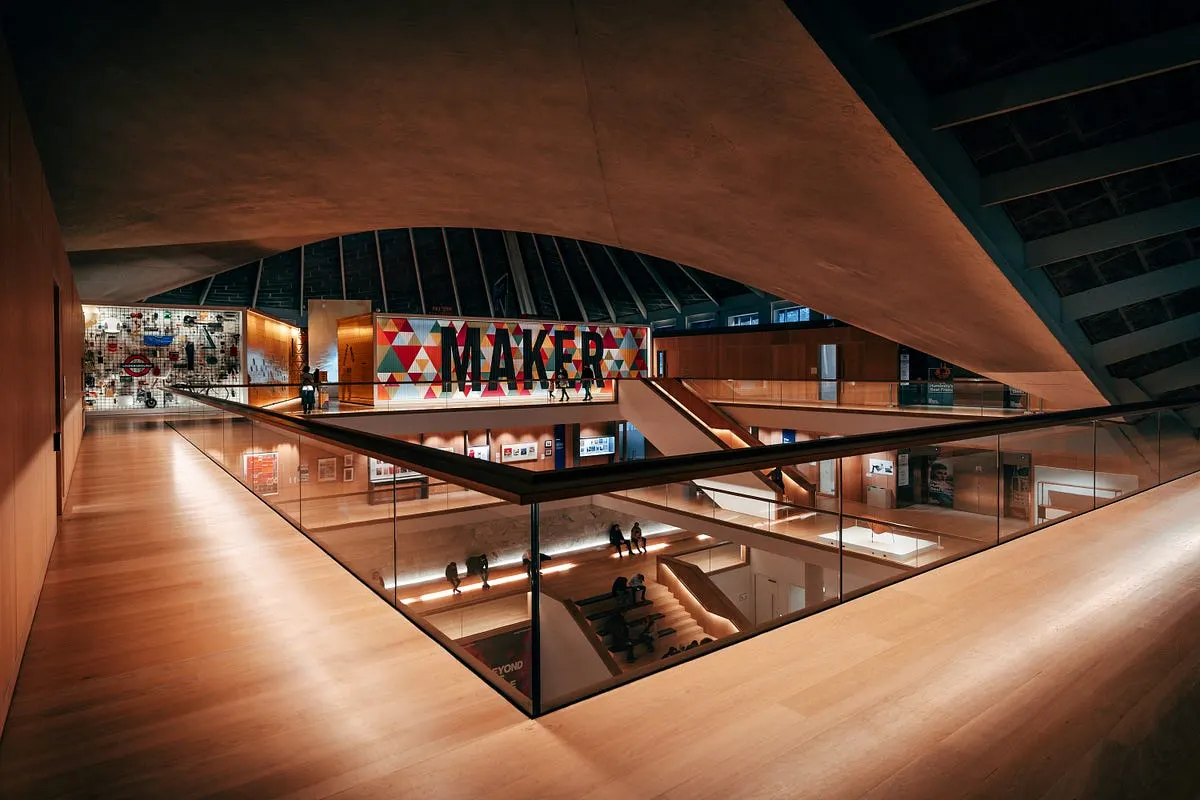
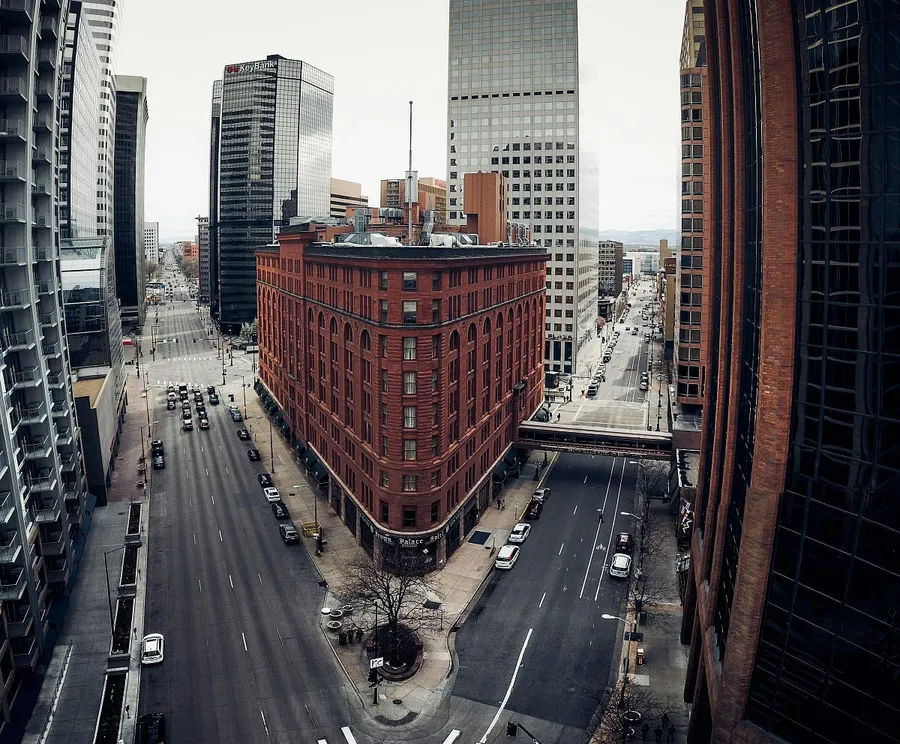
Photo by Andrea De Santis on Unsplash
The best Sony wide-angle lenses include the Sony FE 16–35mm F2.8 GM II for professional zoom performance, the Sony FE 12–24mm f/2.8 GM for ultra-wide flexibility, and the Sony FE 14mm f/1.8 GM and Sony FE 20mm f/1.8 G for fast prime options.
For more budget-friendly choices, consider the Tamron 17–28mm f/2.8 Di III RXD and the Sigma 14–24mm f/2.8 DG DN Art.
Last year, I stood at the edge of the Grand Canyon, my Sony a7III paired with a trusty 50mm prime. As golden hour painted the cliffs in fiery hues, I realized my lens couldn’t swallow the scene.
My photos felt cramped, like trying to fit a mountain into a shoebox. I needed width — dramatic, immersive width — but as a hobbyist on a tight budget, I couldn’t justify spending $1,000+ on a lens. My mission: find a wallet-friendly wide-angle for my Sony full-frame that delivered pro-level drama without pro-level debt.
After weeks of research, rentals, and real-world testing, here’s what I learned — and the lenses that saved my landscapes and cityscapes.
The Contenders: Top Budget Wide-Angle Lenses
I prioritized three factors:
Price (under $600)
Sharpness (no soft corners!)
Portability (because heavy gear kills wanderlust).
Here are my top picks, tested on my a7III:
- Tamron 17–28mm f/2.8 Di III RXD
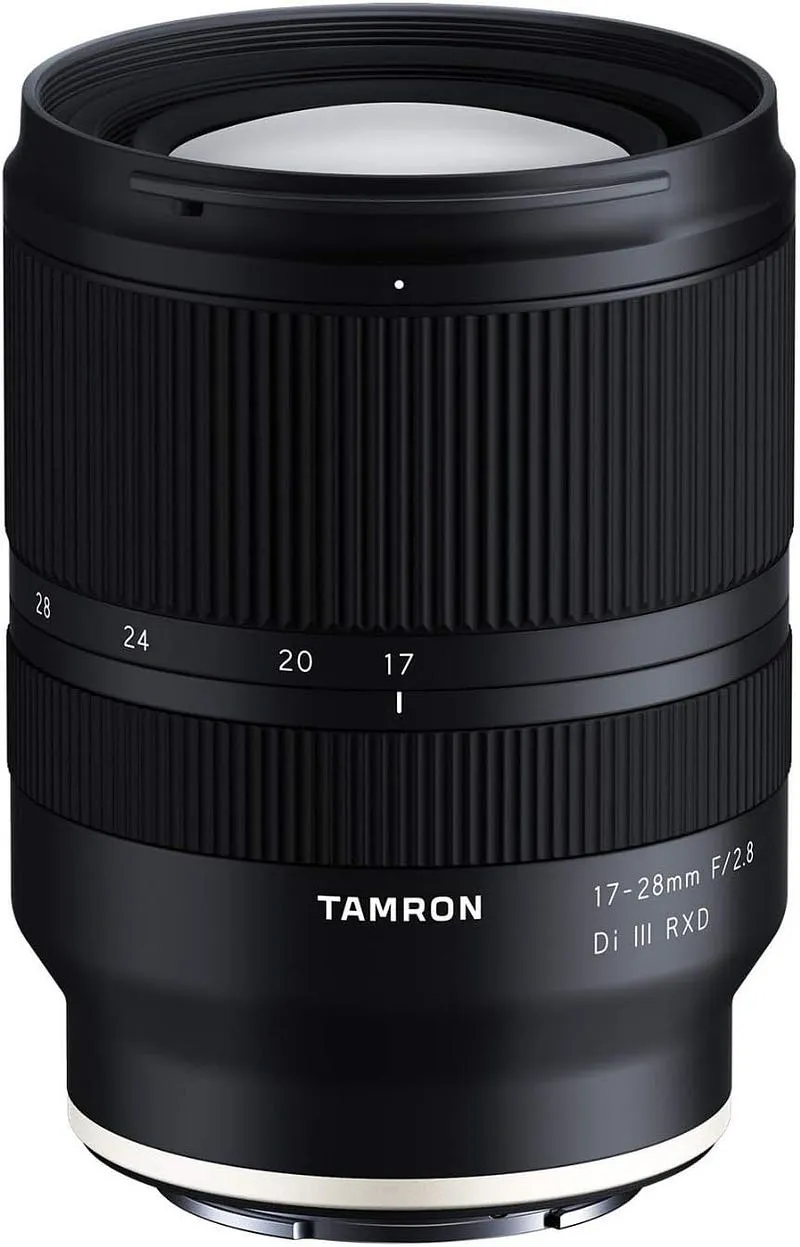
Price: ~$550–$650 (used/new)
My Experience: This lens became my desert-island pick. I rented it for a trip to Portugal’s Sintra forests, where fog-draped palaces demanded flexible framing. The f/2.8 aperture handled twilight gorgeously, and the zoom range (17mm for vast courtyards, 28mm for intimate arches) was liberating. Autofocus was snappy and silent — perfect for street photography.
Pros:
- Razor-sharp even at f/2.8.
- Lightweight (420g) and compact.
- Weather-sealed (a lifesaver in sudden rain!).
Cons:
- 17mm isn’t ultra-wide (you’ll need 12–16mm for astro).
- No image stabilization (rely on your Sony’s IBIS).
Verdict: Best all-rounder for travel. I bought mine used for $520!
2. Samyang/Rokinon 18mm f/2.8 AF
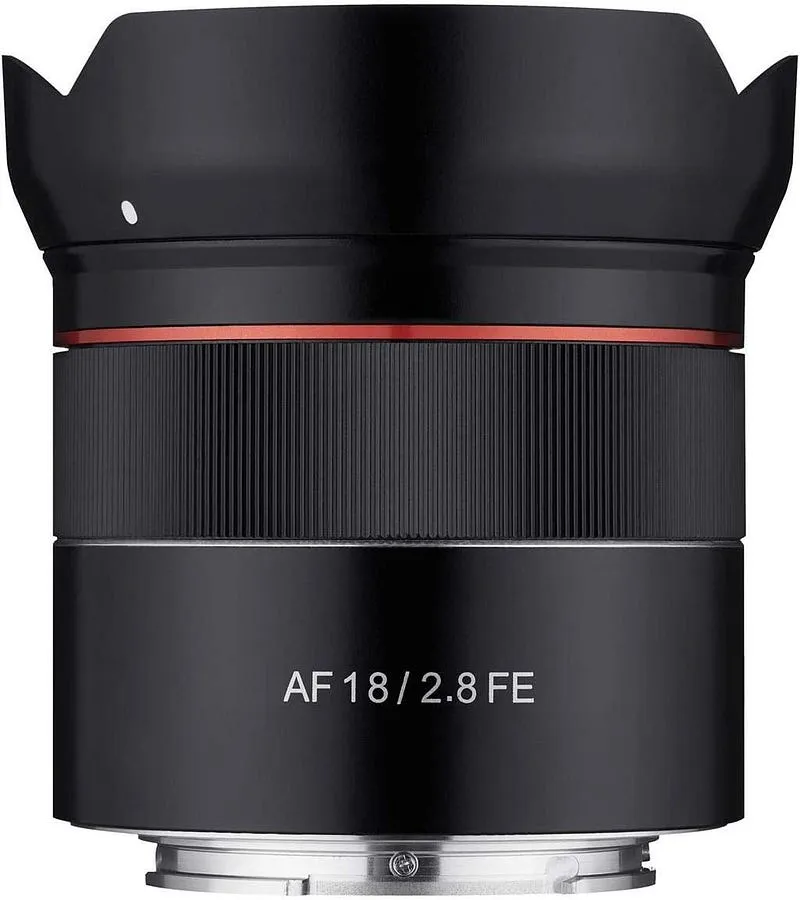
Price: ~$250 (new!)
My Experience: My “budget breakthrough” moment. I took this to NYC — its slim profile fit in my tiny sling bag, and 18mm was wide enough for skyscrapers and subway art. The f/2.8 aperture surprised me with clean night shots in Times Square. For under $300, the autofocus held up admirably.
Pros:
- Unbeatable price.
- Feather-light (145g!) and pancake design.
- Solid center sharpness.
Cons:
- Corners soften at f/2.8 (stop down to f/4 for perfection).
- Plastic build (handle with care).
Verdict: Ideal for minimalists and urban explorers. My go-to for “throw-in-bag-and-go” days.
3. Viltrox 16mm f/1.8 AF
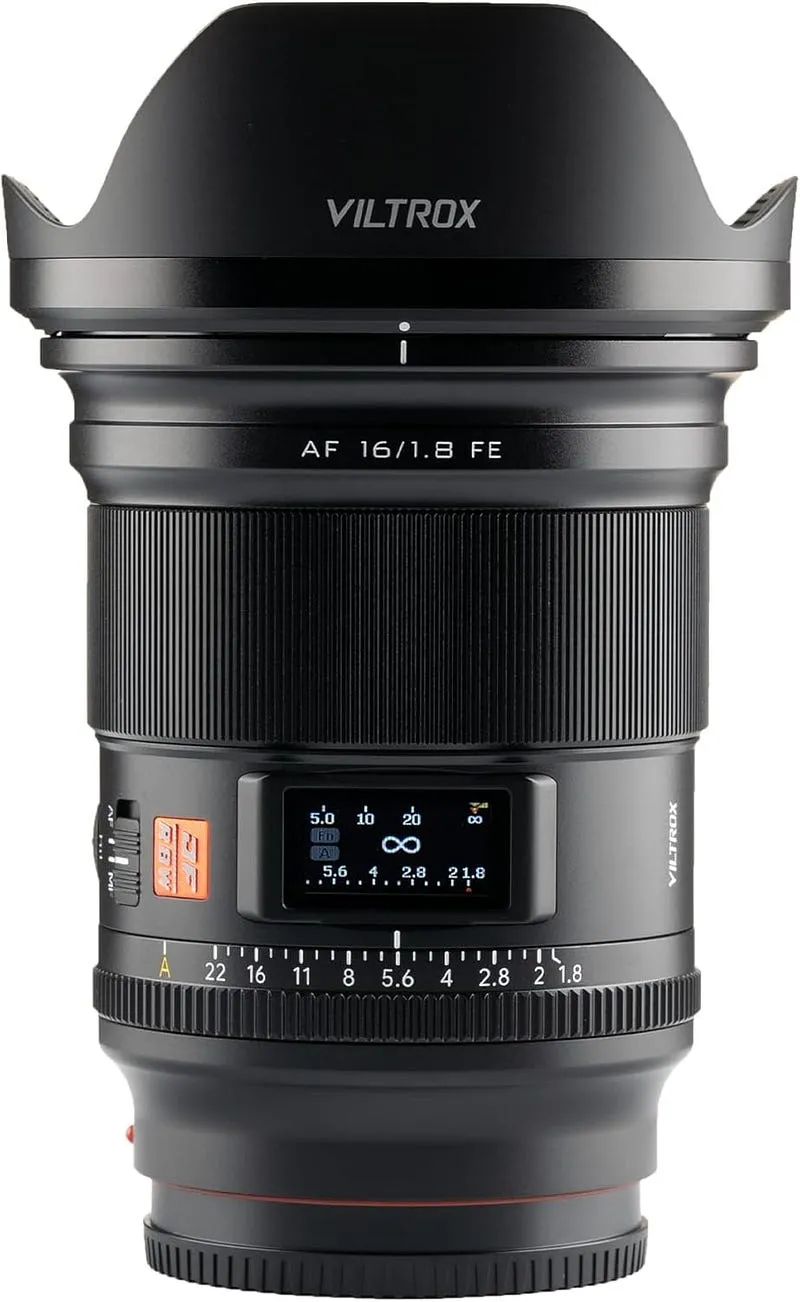
Price: ~$549 (new)
My Experience: I tested this for astrophotography in Joshua Tree. The f/1.8 aperture captured the Milky Way like a dream, and the build quality felt premium (metal body, de-clickable aperture ring). The autofocus was shockingly quiet and accurate.
Pros:
- Bright f/1.8 for low-light/astro.
- Excellent sharpness across the frame.
- Affordable for f/1.8 glass.
Cons:
- Heavier (500g) and bulkier.
- Slight vignetting at f/1.8 (fixable in Lightroom).
Verdict: A low-light beast. Perfect for astro shooters or dimly lit interiors.
Honorable Mentions
- Sony 20mm f/1.8 G ($798): Beyond my budget, but worth saving for if you shoot video (near-zero distortion).
- Manual Focus Option: Laowa 15mm f/2 Zero-D ($499) — Tack-sharp and distortion-free, but MF-only (tricky for fast-paced scenes).
My Personal Choice & Tips for Buyers
I split my loyalty: Tamron 17–28mm for trips (versatility wins), and Samyang 18mm as my everyday carry. Here’s my advice:
- Rent First: BorrowLenses or Lensrentals saved me from buyer’s remorse.
- Check Used Markets: MPB or KEH offer Tamrons/Samyangs with warranties for 30% less.
- Prioritize Your Needs:
- Travel/Video: Tamron 17–28mm.
- Budget/Portability: Samyang 18mm.
- Astro/Low Light: Viltrox 16mm.
Final Thoughts
Wide-angle lenses transform how you see — and shoot — the world. I went from frustrated frames to jaw-dropping panoramas, all while keeping my savings intact. You don’t need a $1,500 GM lens to capture grandeur. Sometimes, the budget underdog is all you need to make the world feel infinite.
What’s your wide-angle story? Share your shots and questions below!
Gear I used: Sony a7III + Tamron 17–28mm | Samyang 18mm | Viltrox 16mm.
Next adventure: Iceland’s glaciers — wide-angle required.
Happy shooting, wanderers!
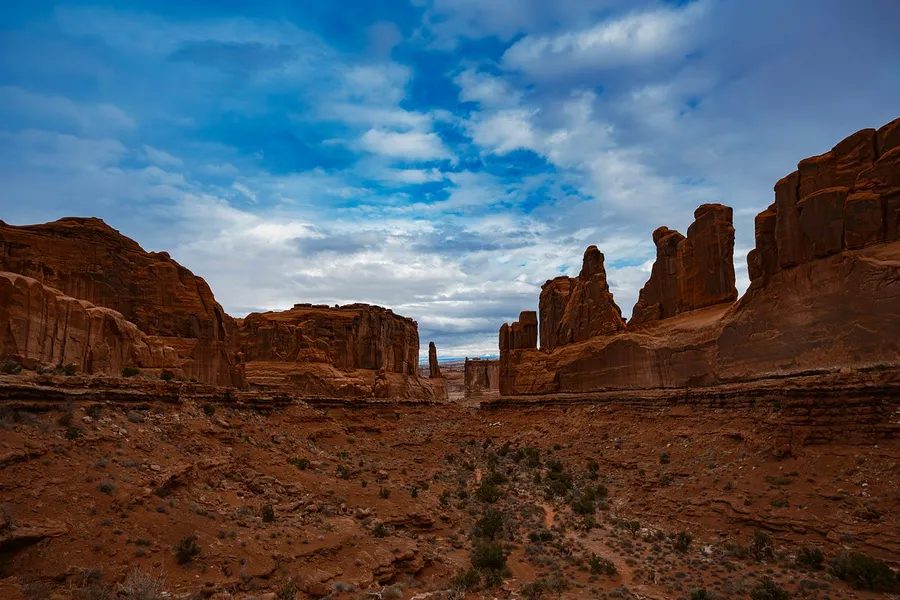
Photo by Kush Dwivedi on Unsplash
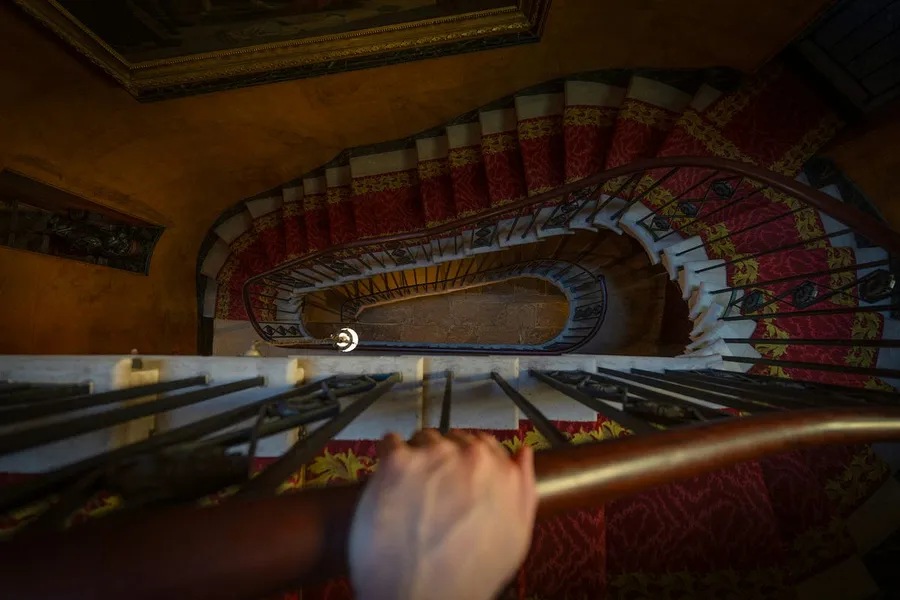
Photo by Andrea De Santis on Unsplash
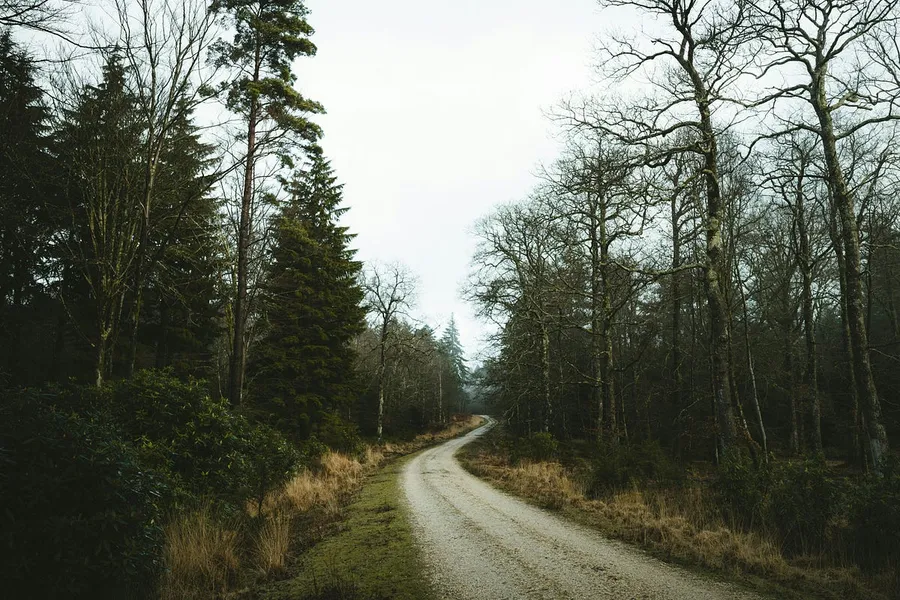
Photo by Annie Spratt on Unsplash
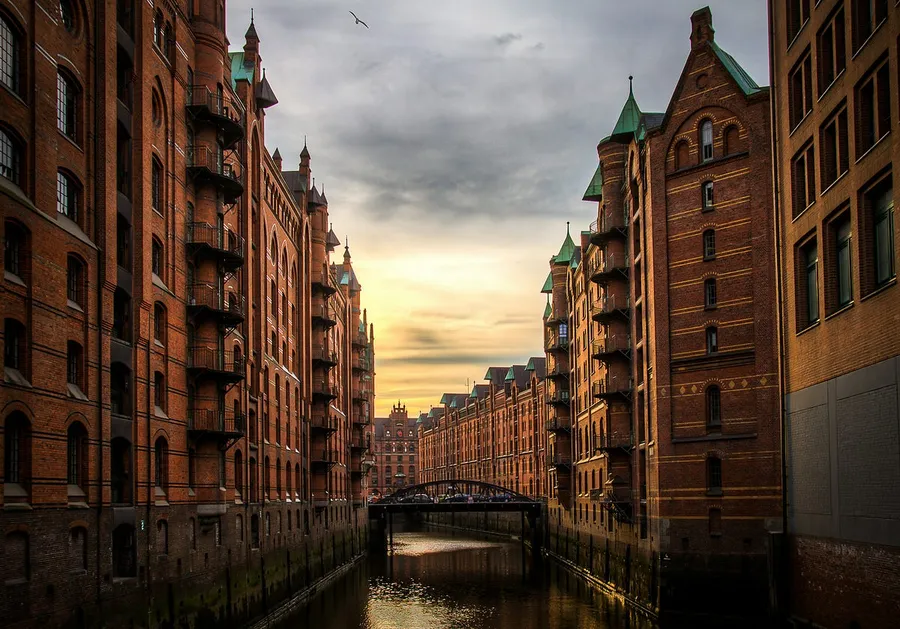
Written by
Marien CartelProfessional and Certified Digital Photographer born in the USA, with 22 years of experience in the field of photography.
Related Guides
Best Lens for Panasonic LUMIX S5: (2026 Guide & Reviews)
Unlocking the Cinematic Soul of the L-Mount System. What the Sigma 24–70mm f/2.8 DG DN gets right, what it does not, and who should buy it.
Best Lens for Wide Shots
The Ultimate Guide to the Best Lens for Wide Shots: Field-Tested Review & Personal Experience
Best Lenses for Interior Photography
Best Lenses for Interior Photography. Here is how the Canon R6 Mark II and Canon EOS R6 Mark II compare, and the one I keep going back to.